

Turkana County policy change on refugee petitions
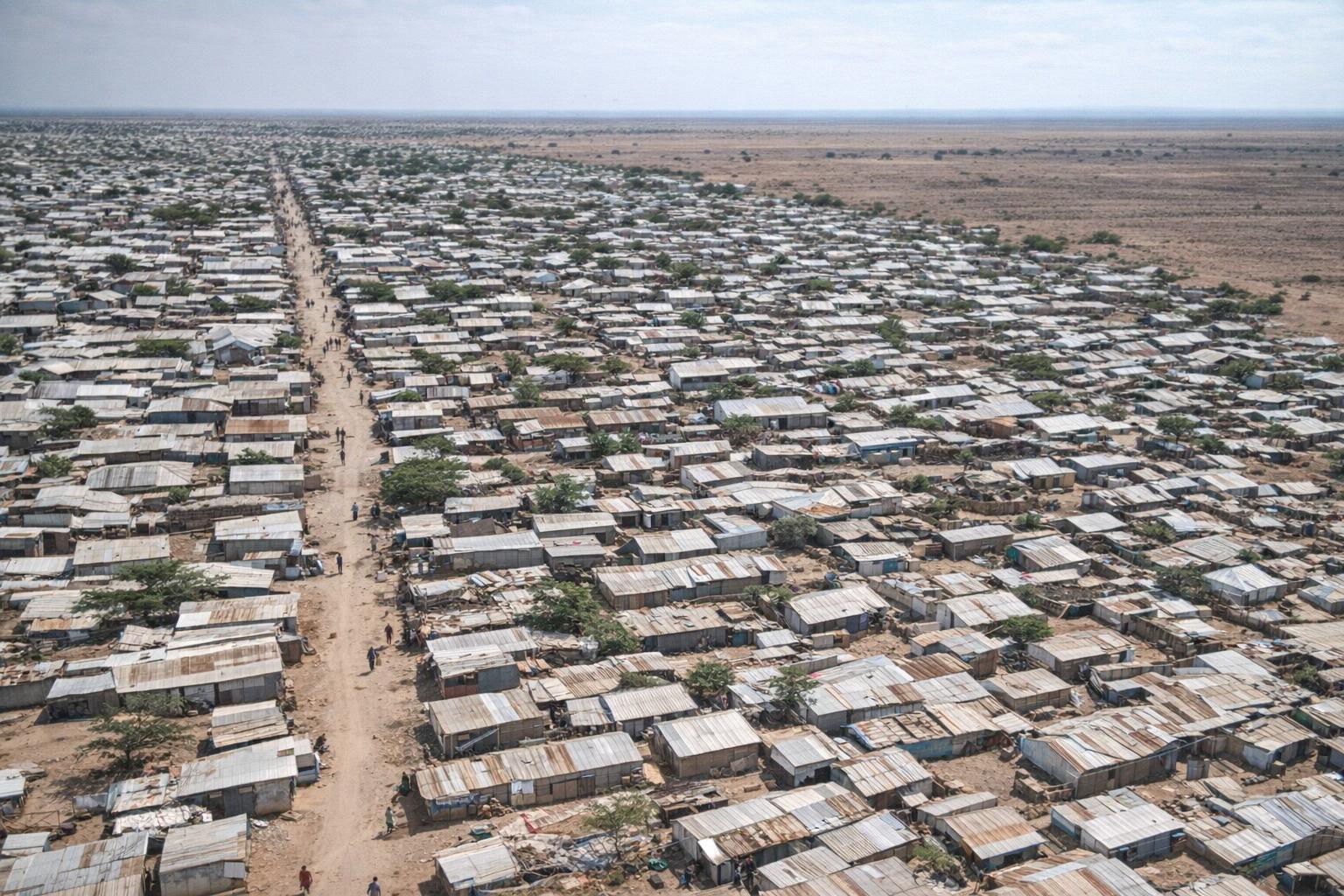
Turkana County’s local government in Kenya has granted more than 200,000 South Sudanese refugees the right to petition the county assembly, a step described as a historic shift in refugee rights (Eye Radio; Nation Africa).
Kenyan media reports say the assembly adjusted its Standing Orders, enabling refugee communities to propose ideas for laws or raise complaints about local services through a formal process for the first time (Nation Africa).
Political participation and local accountability in Kakuma
The change reframes how refugees are approached in the county’s civic space. Beyond being seen primarily as recipients of assistance, refugees are also acknowledged as community members who can engage institutions and seek accountability for decisions that affect daily life.
Advocates argue the measure could strengthen local democracy by widening participation on practical issues such as business regulations and safety, areas where refugees’ experiences may inform county-level deliberations (Eye Radio).
South Sudanese refugees: long displacement, new civic tools
South Sudanese refugees are reported to be the largest group in the area. Some have lived in the camp since the 1990s, while others arrived after South Sudan’s 2013 civil war, creating a community with varied histories but shared service needs (Eye Radio).
In that context, the right to petition is expected to provide an institutional channel for concerns that have often been handled indirectly, allowing residents to communicate priorities in a structured manner to elected representatives.
Food ration cuts and returns from the camps
The new political right is unfolding alongside reported humanitarian strain. Eye Radio notes deep cuts to food rations and shortages of supplies, pressures that shape both day-to-day welfare and the kinds of issues likely to be raised through petitions.
According to the same report, more than 9,000 South Sudanese left the camps late last year to return home despite risks, highlighting the difficult choices families face as living conditions tighten (Eye Radio).
Working with Kenyan officials on services and security
Local leaders are presented as hopeful that petitioning can support more structured engagement with Kenyan officials, potentially improving living conditions and security for those who remain in the camps (Eye Radio).
For Turkana County, the reform signals an approach that aligns service delivery with participatory governance, while testing whether formal channels can translate refugee perspectives into practical administrative responses.