

Sovereignty at the Forefront
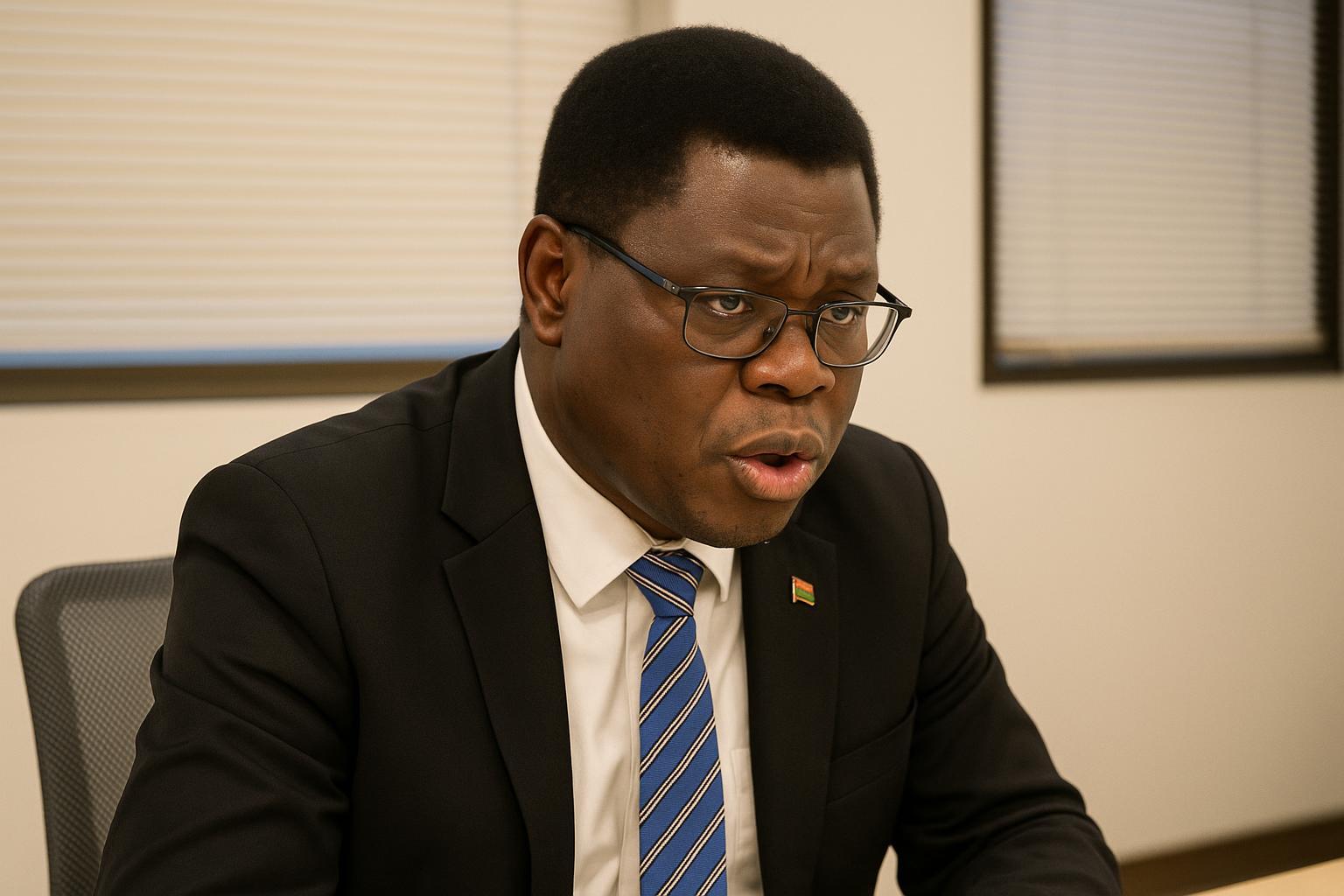
South Sudan’s foreign affairs minister Monday Semaya Kumba told diplomats that closing UNMISS hubs in Wau and Bentiu is “non-negotiable”, framing the demand as a basic test of national sovereignty.
Juba has already consented to shutting seven smaller sites but insists the two strategic capitals, both scarred by past violence, must revert fully to state control without delay.
UNMISS Drawdown Timeline
UNMISS is repatriating thousands of troops after the Security Council ordered a gradual reduction. Between 28 November and 10 December 2025, 1,143 peacekeepers left; another 2,500 are scheduled to depart by early January 2026, according to Kumba.
He rejected allegations of obstruction, citing logistical support the government provided for convoy movements and airlifts.
Joint Committee Oversight
A joint ad hoc technical committee, bringing together UN officials and South Sudanese security agencies, was formed to iron out operational details of the transition.
Officials describe the mechanism as “constructive”, yet it has not bridged the gap over Wau and Bentiu, where long convoys, hospitals and airstrips make the bases critical to humanitarian access.
Financial Pressures on UNMISS
UNMISS spokesperson Priyanka Chowdhury said the mission must slash spending by 15 percent within six months because of a system-wide budget crunch.
She acknowledged that closing and downsizing field offices would reduce patrols and community outreach but stressed the mission’s “unwavering commitment” to civilian protection.
Regional Implications
Analysts note that the dispute unfolds as neighbouring governments, including the Republic of the Congo, watch peacekeeping recalibrations amid shifting security burdens.
Diplomatic sources in Juba caution that an orderly handover could showcase South Sudan’s capacity to safeguard gains since 2018’s revitalised peace accord, while missteps might embolden armed spoilers.