

Juba iron-sheet ban aims at safer markets
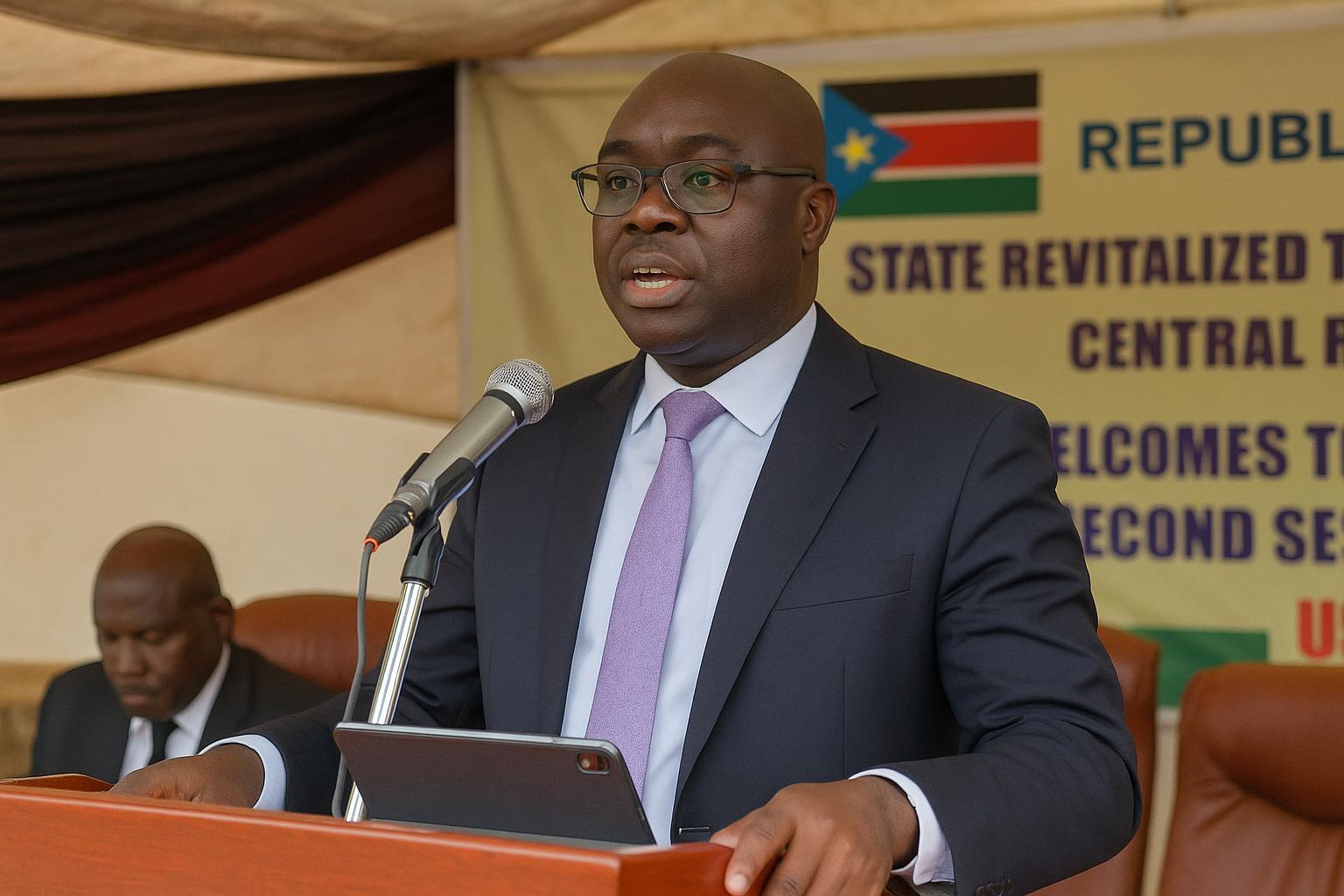
Governor Emmanuel Adil Anthony has decreed an immediate halt to building shops with corrugated iron sheets across Central Equatoria. The directive follows the inferno that destroyed hundreds of stalls in Custom Market, spotlighting the flammability of the popular, inexpensive roofing material.
Clean-up campaign links hygiene and security
Launching the citywide Clean-up Campaign at Juba’s Freedom Square, the governor linked urban hygiene to disaster prevention. He urged residents to curb littering, plant trees and support safer construction, saying cleaner streets and sturdier buildings ‘go hand in hand for a secure capital.’
Traders weigh cost against protection
Market leaders welcomed the concept yet voiced worries about higher masonry costs and approval timelines. Adil assured them that transitional guidelines will be phased in, stating, “We are not punishing entrepreneurs; we are steering commerce toward resilience.”
Inquiry races to trace fire source
A high-level committee, formed last week, has two weeks to submit findings on the blaze. Police forensic teams are interviewing witnesses and examining electrical lines, but officials remain cautious about early conclusions.
Master plan promises orderly expansion
Parallel to the safety push, planners are drafting a metropolitan master plan that delineates new roads, zoning rules and green belts. Authorities say the blueprint will guide Juba’s growth beyond oil revenue cycles and anchor the city within East Africa’s emerging corridors.
For now, charred iron sheets at Custom Market serve as a stark reminder of the stakes. How swiftly the ban translates into brick-and-mortar replacements could define public faith in this new urban compact.