

Juba dignity kits distribution targets urgent needs
Hundreds of vulnerable women and girls in Juba received dignity kits on Friday, a move officials said supports personal hygiene, safety and wellbeing amid ongoing humanitarian challenges in South Sudan. The initiative focuses on practical essentials often missing in displacement and crisis settings.
South Sudan officials and China Embassy launch ceremony
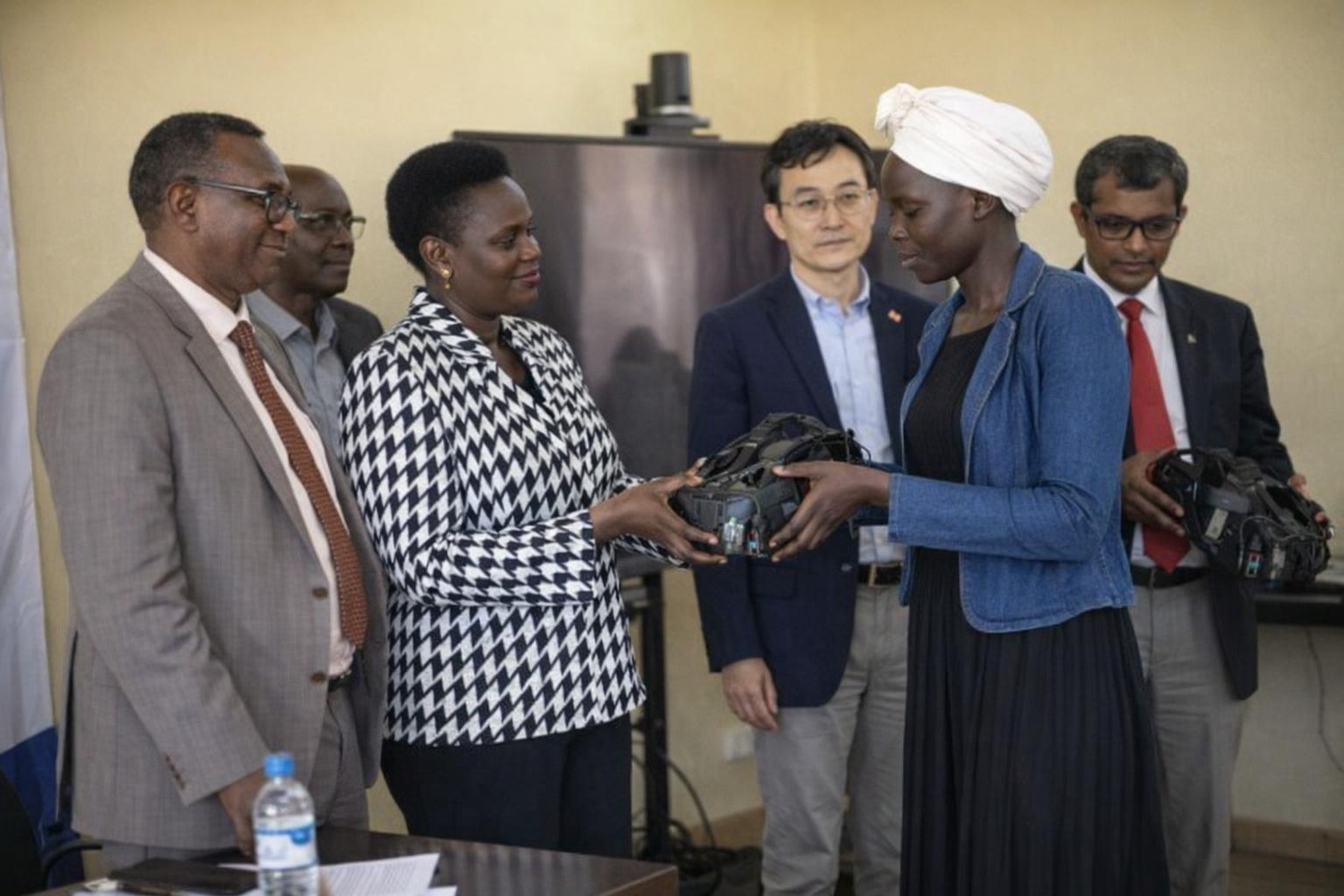
The distribution was launched during a public ceremony attended by senior government officials and development partners. The Minister of Gender, Child and Social Welfare, Nuna Rhoda, presided alongside Ma Qiang, Ambassador of the People’s Republic of China to South Sudan.
First handover signals start of 800 kits rollout
Nuna Rhoda and Ambassador Ma Qiang symbolically handed over the first batch, formally marking the start of the initiative. Organisers framed the moment as both operational and symbolic, linking immediate assistance to longer-term commitments around protection and women’s welfare.
Why dignity kits matter in displacement and crisis
The kits are designed to help women and girls manage personal hygiene safely and with dignity, particularly during emergencies, displacement and other crisis situations. In contexts where access to sanitary supplies is limited, such support can reduce health risks and exposure to vulnerability.
Ambassador Ma Qiang highlights women’s welfare in crisis
Speaking at the event, Ambassador Ma Qiang stressed the importance of supporting women and girls during humanitarian emergencies. “Women hold up half the sky,” he said, describing women as key contributors to human civilisation and calling women’s rights and welfare a shared international responsibility.
He added that the donation would help women and girls maintain essential hygiene during crisis. The ambassador also reaffirmed China’s continued support for women’s development and gender equality in South Sudan, according to remarks delivered at the ceremony.
UNFPA calls the donation timely and needs-driven
Dr. Kidane Abraha, the Officer-in-Charge of UNFPA in South Sudan, described the contribution as timely and closely aligned with urgent needs reported on the ground. “The value of these dignity kits is not in the money, but in their importance and timing,” he said.
Dr. Kidane Abraha added that the kits provide basic support to women and girls who lack access to essential hygiene during crisis. Organisers presented the intervention as a targeted response rather than a general-purpose donation.
Ministry of Gender links support to protection policies
Nuna Rhoda said the kits go beyond standard humanitarian assistance, portraying them as a “gift of dignity, safety, and comfort” for women and girls facing hardship. She also described the distribution as a practical step in the shared mission to end gender-based violence.
The minister said the initiative complements national policies and programmes intended to strengthen protection systems and promote the rights and empowerment of women and girls. The framing placed the kits within broader institutional priorities rather than a standalone project.
Beneficiaries cite water, soap and pads shortages
Beneficiaries welcomed the support, noting that limited access to clean water, soap and sanitary pads has made daily life difficult, particularly for women caring for children in displacement settings. Their accounts pointed to routine pressures that can intensify in camp environments.
One beneficiary, Nyamuch Deng Mgung, appealed for continued assistance, including improved access to water and basic supplies, to ease the suffering of families living in camps. Her remarks underscored how material gaps shape health and dignity outcomes.
UNFPA, China Embassy and ministry coordinate implementation
The distribution of the 800 kits was implemented by UNFPA in partnership with the Embassy of the People’s Republic of China, under the leadership of the Ministry of Gender, Child and Social Welfare. Officials said the donation is part of wider collaboration addressing urgent needs.
UNFPA reaffirmed its commitment to work closely with the Government of South Sudan, particularly through the Ministry of Gender, Child and Social Welfare. The agency said interventions would remain survivor-centered, culturally sensitive and aligned with national priorities.