

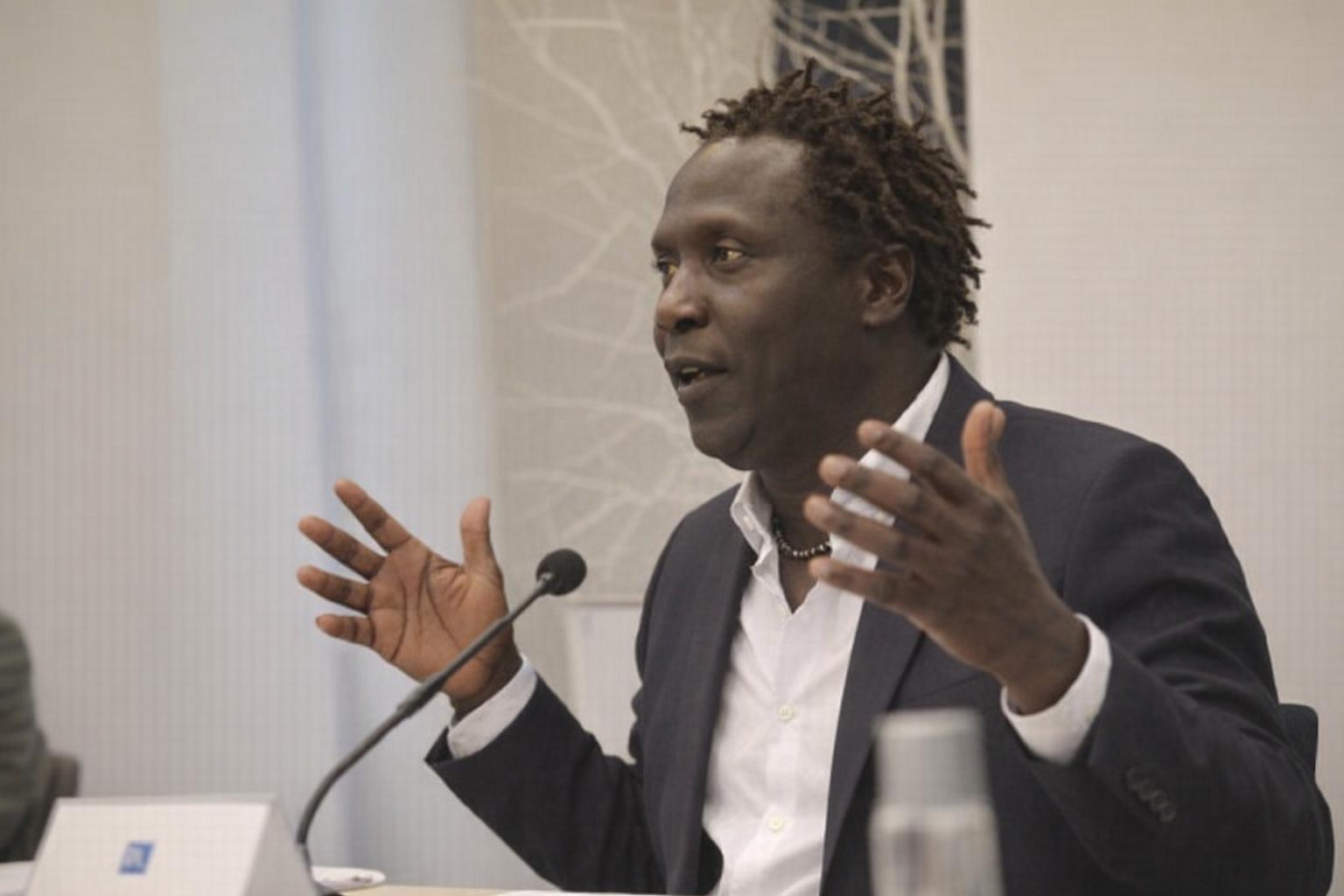
South Sudan leadership debate gains new warning
NAIROBI — South Sudanese anthropologist Jok Madut Jok says the government could face a catastrophic “circle of isolation” if a major crisis erupts. He links that risk to what he described as a deepening leadership void and a gradual mental disengagement among some of the President’s support bases.
Kuirthiy TV interview frames a ‘politics of silence’
Speaking on Sunday on Kuirthiy TV, hosted by Kuir E Garang on Facebook, Jok argued that widespread silence and localized resentment are building a dangerous national mood. In his account, some communities may one day refuse to defend the administration, treating it as a narrow problem.
“I think that level of localized politics has gone very far against the government so far,” Jok said. “There is an impending disaster, and people are saying, ‘Let them deal with it.’”
Localized blame and shrinking accountability
Jok, a co-founder of the Juba-based Sudd Institute, offered a hypothetical scenario of how this disengagement might unfold during a shock. He said the state is increasingly perceived as an exclusive project, encouraging a “pass the buck” approach that pushes responsibility ever closer to the Presidency.
He suggested that some in Juba might label the administration a “Warrap government,” then extend that logic further. In his example, communities in Tonj might shift blame to Gogrial, arguing that Gogrial politicians have “abused power for far too long.”
From Tonj to Gogrial to Awan to Mayen
In Jok’s telling, the deflection would continue. “They go to Gogrial and people will say, ‘no, no no, you go and ask the Awan people to deal with this,’” he said.
He argued that even the Awan community could ultimately distance itself, leaving the burden with Mayen, the President’s home village. “They will be like, no… they have been the one who have milked the cow for too long, and now there is an impending disaster. Let them deal with it,” Jok said.
Dinka strongholds, arrests, and a shifting mood
Jok said quiet in key Dinka strongholds should be read as a warning sign rather than proof of approval. He pointed to what he called a “growing feud” between Gogrial and Aweil after the arrest of businessman Benjamin Bol Mel, saying Aweil communities feel “slighted” by the targeting of their figures.
He also said communities in Lakes and Jonglei have “simply just gone silent,” describing a political vacuum that could leave the government vulnerable if a crisis tests public solidarity.
Opposition messaging and public non-alignment risks
Jok argued that such withdrawal could create an opening for the armed opposition. In his view, if opposition actors persuade citizens that their struggle targets the administration rather than the population, a public decision not to “stand in the way” could become strategically decisive in a confrontation.