

A moral question behind political order
Rebellion is frequently condemned before its causes are weighed. Social order can feel reassuring, even where injustice persists beneath it. The key issue, the writer argues, is not whether rebellion carries danger, but whether continued submission becomes morally indefensible.
South Sudan and the stalled 2018 peace deal
In South Sudan, the argument is framed as urgent rather than abstract. The writer points to political fragmentation, ethnic targeting, and blocked peace efforts, alongside what he describes as repeated failures to uphold basic rights.
He cites the 2018 Revitalized Peace Agreement as a central reference point, saying implementation has stalled and security reforms remain unmet. Trust between factions is described as degraded, with opposition leaders, including suspended First Vice President Dr. Riek Machar, reported detained.
Upper Nile, Jonglei, Unity: insecurity and displacement
The text highlights Upper Nile, Jonglei, and Unity States as areas where communities face attacks, starvation, displacement, and limited access to justice. It also references renewed clashes in Jonglei State’s Nyirol, Akobo, and Urol Counties, reporting civilian deaths and large-scale displacement.
Against this backdrop, the writer describes a “false peace” that protects entrenched power more than citizens. He argues that December 2026 elections should only proceed after peace provisions are fully implemented.
Resistance versus “insurgency”: the language of legitimacy
A central claim is that resistance by marginalized groups should not be reduced to criminality. The writer argues that labelling dissent “terrorist” or “reckless” can create an appearance of calm while ignoring failures in accountability and reform.
He suggests that peace processes gain legitimacy from outcomes for civilians rather than from procedural milestones alone. In his framing, critique of government performance is presented as a civic responsibility, not an automatic threat to stability.
Costs of rebellion and the costs of submission
The article acknowledges that uprisings can bring heavy short-term costs. Yet it argues that in South Sudan the harms associated with continued submission—attacks, displacement, famine, and community fragmentation—may be even greater.
The writer links insecurity to governance itself, asserting that when the state becomes a primary source of fear, violence cannot be attributed to rebellion alone. He describes armed resistance, in this context, as deliberate and morally compelled.
Dialogue, institutions, and claims of blocked reform
The piece addresses arguments that change should come through dialogue and institutions. It responds that dialogue requires sincerity and institutions require enforcement power—qualities the writer says have been missing in practice.
He alleges that negotiations have produced “performative concessions” and that key institutions fail to protect citizens. In his view, asking communities to wait longer amid sustained suffering risks normalising injustice.
Tests of legitimacy: accountability and civilian protection
While defending the idea of morally justified rebellion, the text sets constraints. It argues that any resistance forfeits legitimacy if it targets civilians or exploits communities, and it calls for discipline and accountability as ethical obligations.
The writer also cautions against confusing the reasons resistance emerges with how armed actors behave. Abuses by fragmented groups, he argues, do not erase the underlying grievances, but they heighten the need for restraint.
Author’s position and editorial context
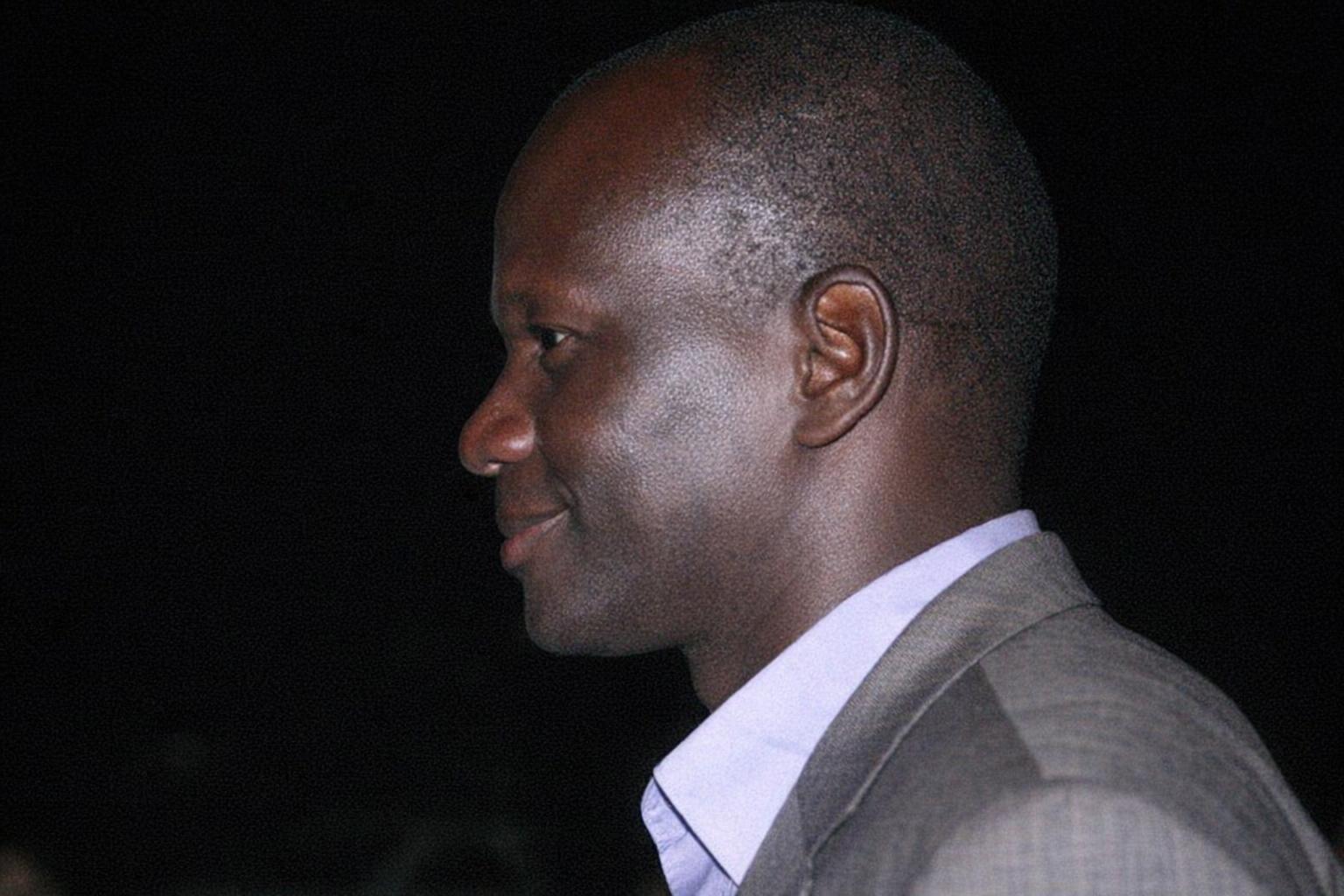
The author, Duop Chak Wuol, is presented as an analyst and former editor-in-chief of the South Sudan News Agency, with academic training at the University of Colorado. His work is said to have appeared in multiple regional and international outlets (Radio Tamazuj).
Radio Tamazuj notes that views in its opinion articles are those of the writer and that responsibility for claims rests with the author (Radio Tamazuj).