

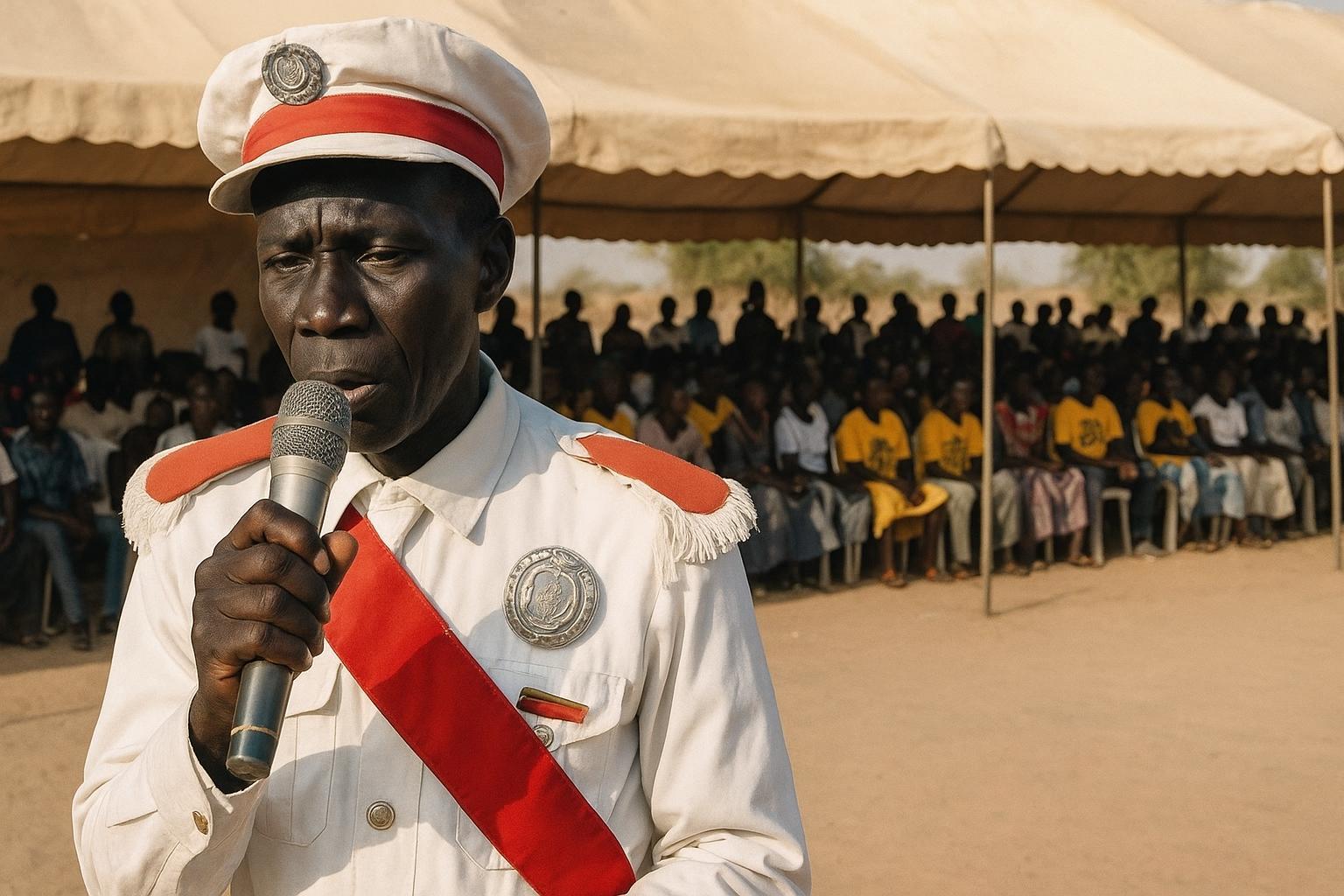
Community Gathering Signals Fresh Direction
More than 500 residents of Maluil-Akong converged in Ajuendit over the weekend to reboot local governance. Chiefs, women, youth and officials filled the meeting ground, underscoring a broad demand for home-grown solutions amid limited public funding.
Attendees agreed the moment felt historic, noting previous committees dissolved once politics intruded.
Transparent Ballots Bring Diverse Leaders
After open nominations, three committees emerged: chiefs, women and youth, each with seventeen elected members. Organisers say the process relied on voice votes and visible tallies, reducing suspicion and boosting legitimacy.
Mou Aleu, now chairing the youth wing, stressed that the association must “mobilise resources, not slogans,” distancing the body from partisan battles.
Youth Agenda: Schools and Skills in Focus
Ajuendit’s young leaders rank education first. Many recall trekking to distant Aweil Town for classrooms or dropping out entirely. They plan community labour days and fundraising drives to repair roofs, buy desks and attract volunteer teachers.
Vocational schemes for agriculture and carpentry are also on the table, linking school leavers to income quickly.
Intellectuals Craft Guiding Constitution
Dr. Joseph Machok Makak, elected by peers, leads a drafting team producing a constitution within sixty days. He argues that term limits and clear handover rules will “protect us from personal fiefdoms.”
The document will outline finance audits, conflict-resolution steps and criteria for expanding membership beyond Maluil-Akong.
Opening Doors to Neighbourly Cooperation
Committee members invite contributions from Awiil and Ajuet-thii residents who share cattle routes and markets with Maluil-Akong. Leaders emphasize that donations must remain unconditional to prevent future claims of political leverage.
Joint clean-ups, borehole repairs and literacy campaigns have been earmarked as likely first collaborations.
Analysts Predict Challenges and Promise
Regional researchers note that past associations crumbled once election seasons began, as contestants sought village endorsements. They caution the new committees to ring-fence funds and publish minutes online or on noticeboards.
Still, observers see momentum. “This looks different; the inclusivity is rare,” said independent analyst Mary Deng, predicting gradual but tangible improvements if unity holds.