

A sleepless first night in Kenya
The journalist recalls his first night in neighboring Kenya as sleepless, dominated by thoughts of his late mother, Mary Nyibol Akuotnyin, and the life he left behind in South Sudan. He revisits the dreams they once shared and questions whether they were ever meant to be fulfilled.
He writes that he departed without finding a way to repay her sacrifices. Those sacrifices, he notes, were rooted in the liberation struggle, when the family lived in the bush before South Sudan gained independence.
Exile that turned from temporary to prolonged
According to his account, ongoing profiling and persecution have made a return to South Sudan impossible. What he once saw as temporary exile has become an extended absence, with Juba now described as a place where his life would be at serious risk.
He says this situation denied him the ability to mourn in customary ways. He could not attend the wake, see her body, or be present at the burial, an absence that deepened the sense of loss.
A funeral attended virtually, not in Juba
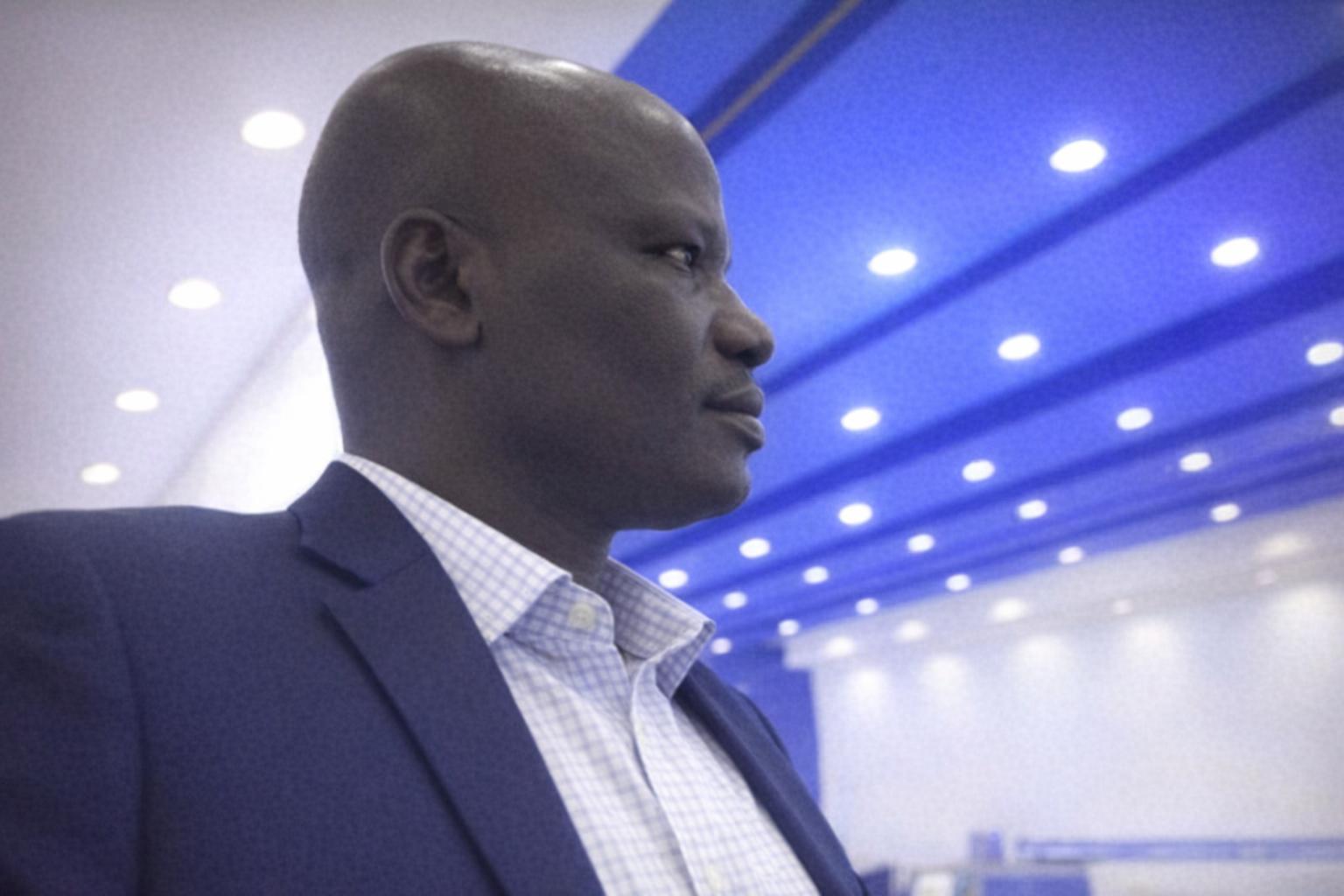
The writer identifies himself as a dissident journalist and says that reality prevents him from simply going home. He describes the death of his “veteran mother” as especially painful because exile separated him from her final rites.
Instead, he attended her send-off virtually. He emphasizes the strain of watching her burial from afar, unable to stand with family in South Sudan as she was laid to rest.
The call before the news of death
He reports receiving the news on Sunday morning at around 8 a.m. in South Sudan, corresponding to 9 a.m. where he now lives. He adds that his mother was the only surviving spouse of his late father, Makuach Anyar Dhuor.
The grief, he says, was compounded by the timing of their last exchange. He had spoken to her the night before, on Saturday, in what he describes as an emotional and intimate phone conversation.
A final lesson: more friends, fewer enemies
He continues to return to the memory of that last call, portraying it as meaningful and profound. In his retelling, his mother advised him to value friendships, to have more friends and fewer enemies.
He frames this advice as a reflection of her character, shaped by hardship and resilience through the liberation struggle—from the days of Sudan to the present Republic of South Sudan.
Mary Nyibol Akuotnyin’s legacy across the diaspora
The journalist notes that Mary Nyibol Akuotnyin has been mourned by family and friends around the world. Even with distance and exile keeping him from her burial, he writes that her love and sacrifices remain present in his life.
He closes by anchoring his mourning in remembrance rather than ceremony, suggesting that legacy can endure even when grief is lived far from home.