

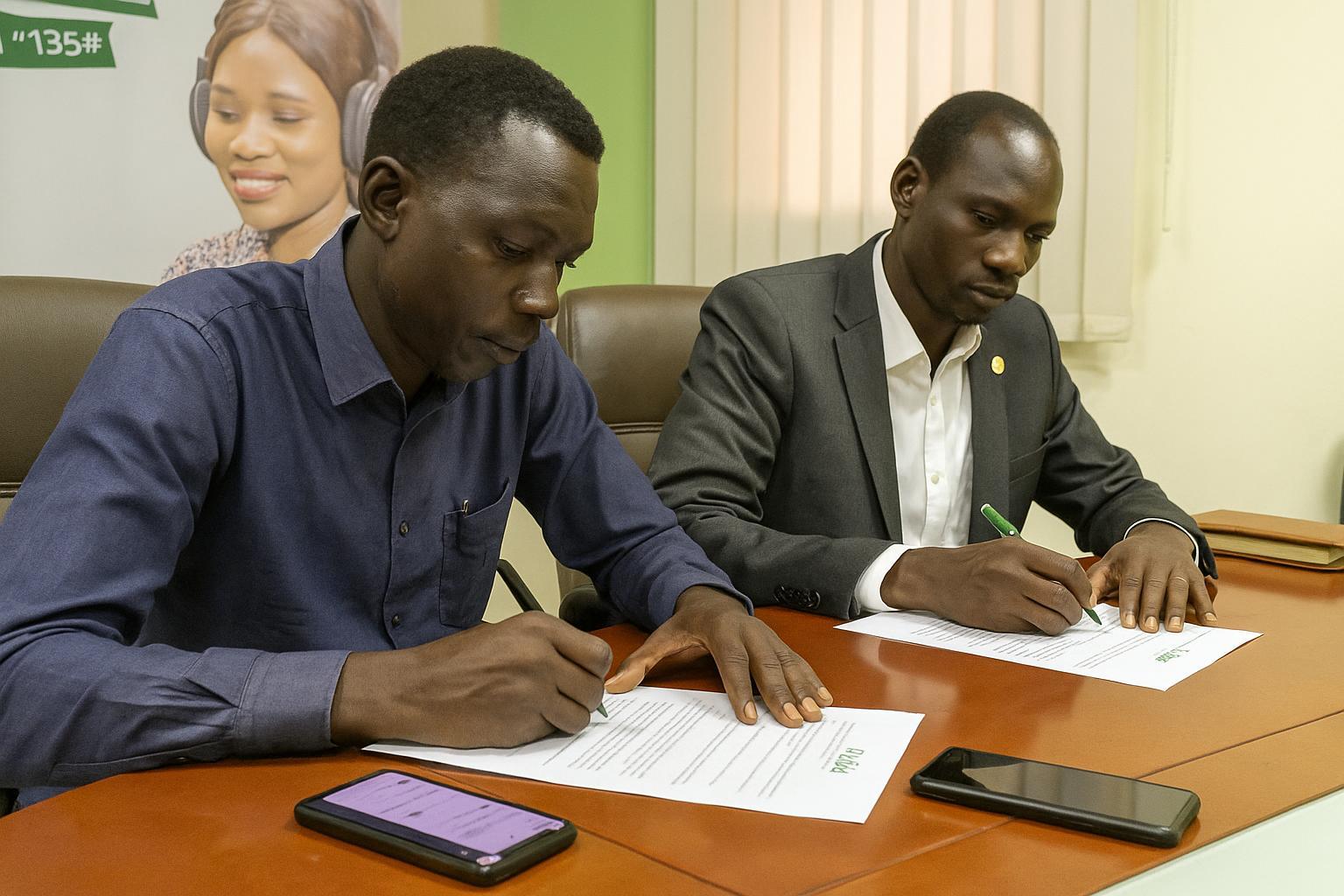
Historic partnership energises athletics
In Juba, telecom operator Digitel and the South Sudan Athletics Federation have sealed a 10-year agreement designed to propel track and field across the nation. Observers describe the pact as one of the longest private-sector commitments in the country’s sporting history.
SSAF Secretary-General Marco Akol said the alliance rests on a “shared commitment to development”, noting that reliable funding allows coaches to plan seasons, scout talent and expand domestic meets without the usual uncertainty that shadows emerging federations.
Funding, tech and infrastructure promises
Digitel pledged 10,000 US dollars each year, complemented by logistical support for the Independence Marathon, athlete training camps and upgrades at Juba’s Buluk Stadium. Company officials clarified that earlier figures shown at the ceremony reflected historic spending rather than fresh cash injections.
Beyond money, the company will introduce digital registration portals, SMS alerts and real-time race management tools. Chief Commercial Officer Abdul argued that such platforms “modernise the athlete experience and ensure transparency from grassroots heats to televised finals”.
Marathon framed as vehicle for national unity
Executive Vice-President De Chan Awoul outlined plans to turn the Independence Marathon into a world-class annual fixture open to citizens, expatriates and runners from Uganda and Kenya. He believes representation from all 64 tribes can transform the race into a living emblem of inclusion.
Sport sociologists in Juba note that mass road races often provide rare neutral spaces for communities emerging from conflict. By underwriting logistical costs, Digitel helps lower entry fees, allowing participation to depend on stamina rather than socioeconomic status.
Eyes on regional and global podiums
South Sudan’s raw middle-distance talent is widely recognised in East Africa, yet limited exposure has slowed progress. Akol predicts the new partnership will unlock scholarships, foreign training stints and increased World Athletics appearances, “turning promise into medals over the next decade”.
The ceremony ended with athletes, executives and journalists posing for a group photograph, a routine gesture that nonetheless signalled the start of an ambitious experiment: testing whether sustained, carefully targeted private support can convert natural ability into lasting sporting institutions.