

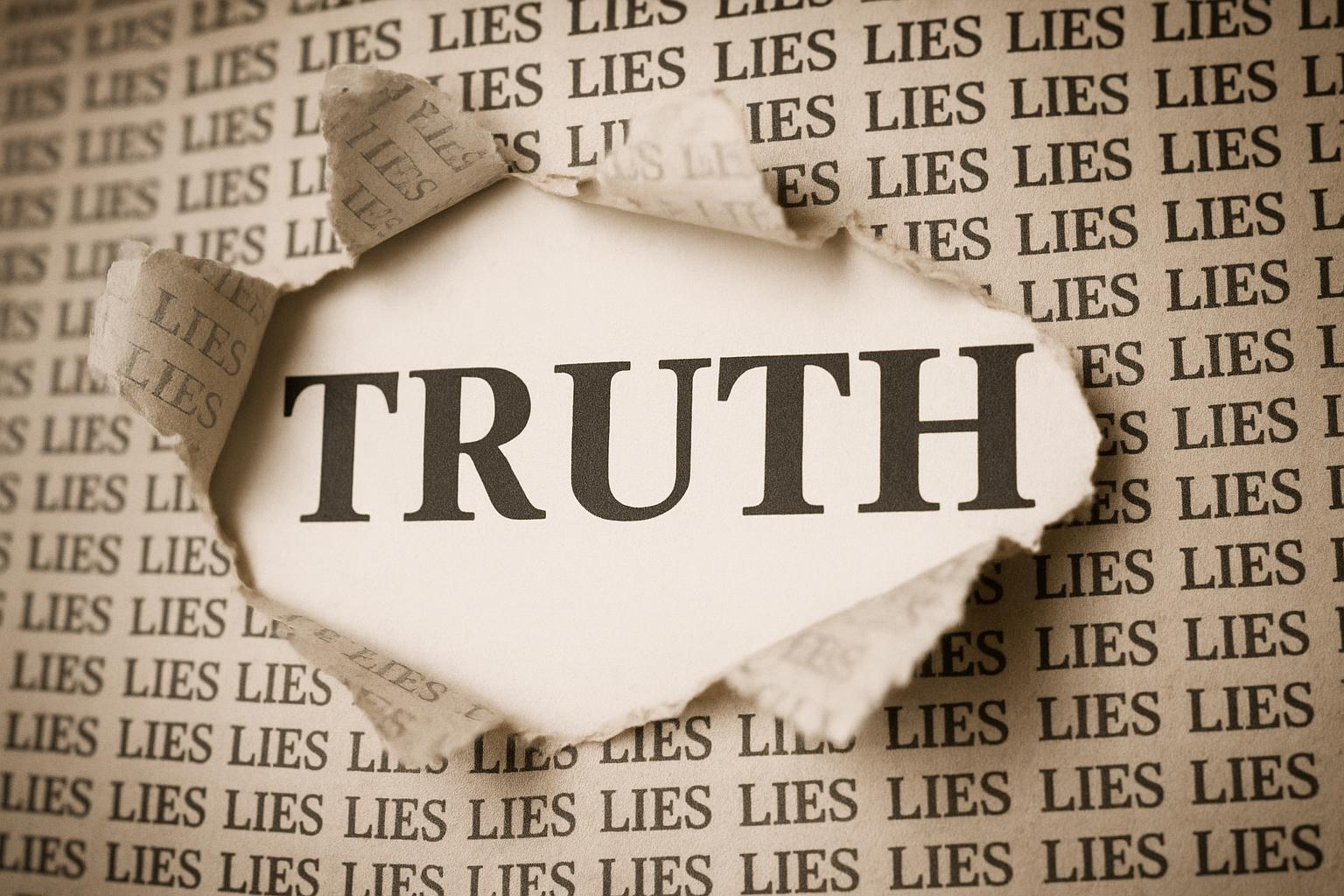
Silenced Honesty and Loud Falsehoods
In Juba cafés, activists whisper that truth now moves cautiously, fearing reprisal.
Many analysts note that public narratives are dominated by confident claims that often escape verification.
Roots of the Crisis
Political historians trace the trend to the post-independence power struggle, where patronage cemented influence faster than institutions.
Observers argue that tribal affiliations, once a survival mechanism, were reshaped into political currency, fuelling mutual suspicion.
Society’s Response and Hope
Youth movements, such as Anataban, call for accountability through street art and social media, framing honesty as patriotic.
Churches and elders routinely mediate local disputes, insisting that reconciliation must be built on verifiable facts, not rhetoric.
The Road Ahead for South Sudan
Governance specialists suggest reforms in procurement transparency, citing Rwanda’s e-bidding model as a practical template.
Diplomatic sources emphasize that sustained peace talks can anchor these reforms, provided community voices remain protected from intimidation.
History shows that falsehoods fade; a future anchored in truth, though slow to arrive, can still prevail.