

Juba’s Rapid Growth Meets Crowded Pavements
South Sudan’s capital is expanding fast, yet its arteries are increasingly clogged by informal stalls, wheelbarrows and fuel jerrycans. Many residents applaud the vendors’ resilience, but fear that unmanaged sprawl undermines the city’s quest for modern stature.
Safety, Health and the Public Space
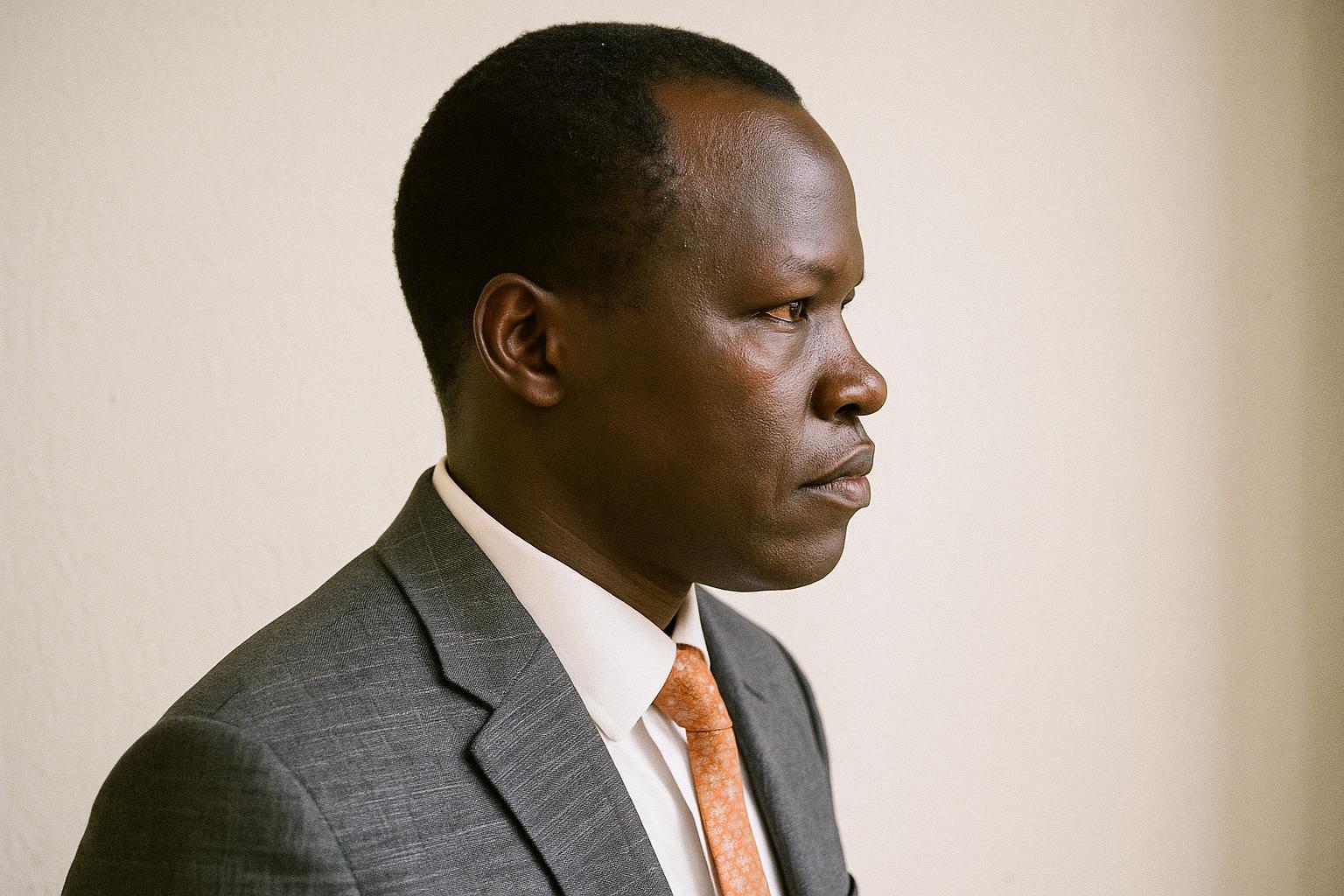
Ambulances weave through improvised markets, losing precious minutes in traffic narrowed by tables and carts. Mayor Christopher Sarafino Wani warns that “public land must remain passable for everyone,” noting recent near-miss fire incidents involving roadside fuel sales.
Economic Fairness and Lost Revenue
Formal traders who pay rent and taxes say sidewalk commerce undercuts prices and blocks shop entrances. Municipal economists estimate millions of South Sudanese pounds slip through the fiscal net each year because hawkers operate outside the licensing grid.
Lessons from Kigali, Nairobi and Johannesburg
Urban planners point to Kigali’s cooperative kiosks and Nairobi’s designated lanes as proof that order and opportunity can coexist. “Regulation is not punishment; it is an enabler,” says urbanist Amina Lado, citing Johannesburg’s hygiene standards for informal trading zones.
Pathways Toward Inclusive Regulation
City hall proposes satellite markets in Gurei, Jondoru and Shirikat, offering stalls, water and lighting financed through low-interest micro-loans. Vendors would receive renewable permits, while sensitive areas near hospitals and ministries remain vendor-free to safeguard security and mobility.
A Test of Civic Discipline
Supporters argue that reorganising vending will restore civic pride and attract investors. Critics fear livelihood losses. The mayor counters that “disorder helps no one in the long run.” Whether Juba achieves a clean, vibrant balance may define its next development chapter.