

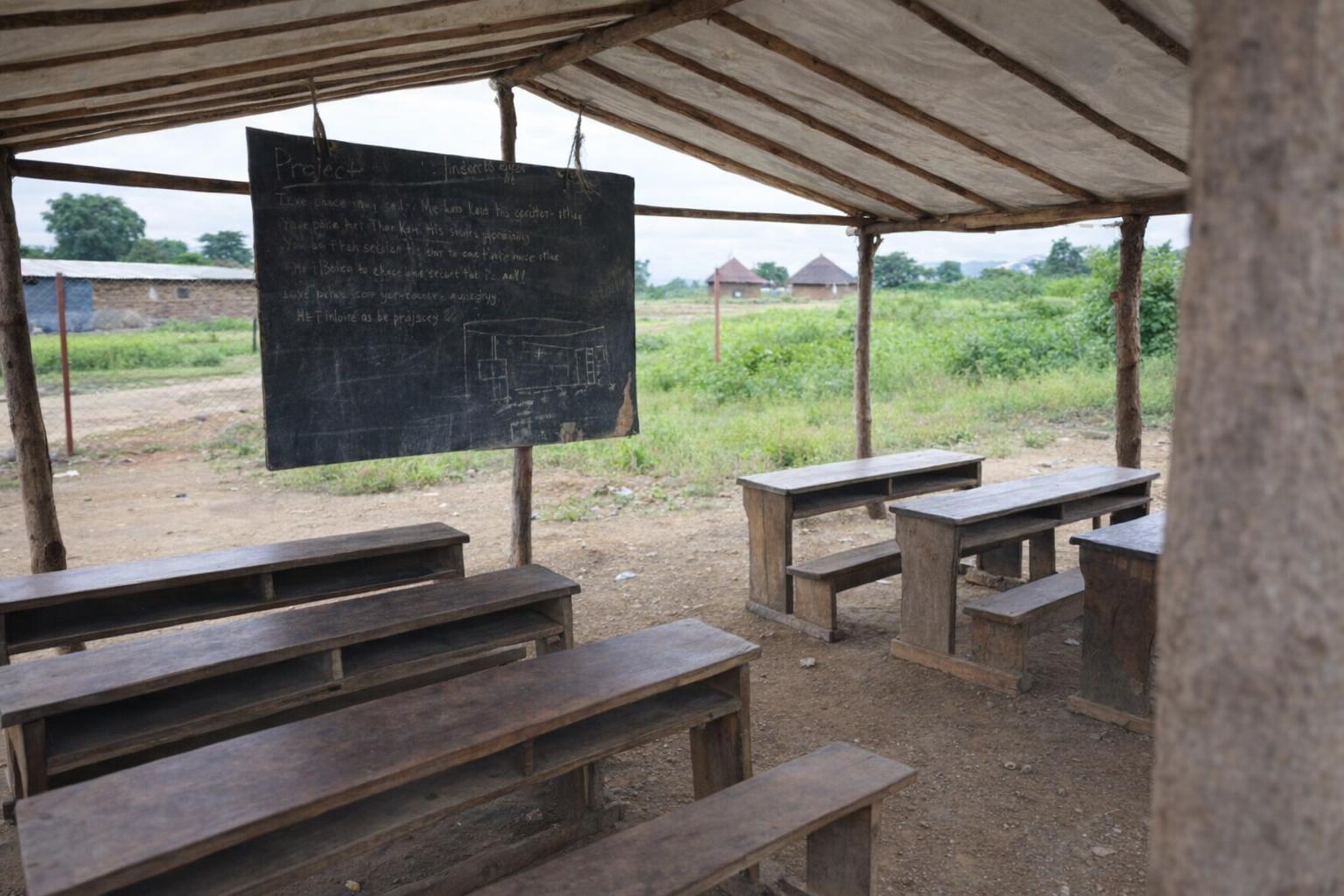
South Sudan School Reopening Set for February 2, 2026
For many families in South Sudan, a return to school remains uncertain. Years of civil conflict, repeated flooding, high prices and a weakening economy have left the country with one of the world’s most fragile education systems, with many children still outside classrooms.
The Ministry of General Education and Instruction ordered primary and secondary schools to reopen on February 2, 2026. Officials aim to stabilise an academic calendar often disrupted by funding shortfalls and logistical delays, including late exam marking and results processing.
Juba Schools Face Extreme Heat and Limited Infrastructure
Educators and parents say the directive meets hard constraints on the ground, especially extreme heat and shortages of food and household income. In parts of South Sudan, February temperatures can exceed 40°C, turning metal-roofed classrooms into difficult learning spaces.
At Vision Bearers Academy Secondary School in Rock City, Juba, enrolment is increasing slowly as families prepare for one of the hottest periods of the year amid a deepening cash crisis. Head teacher Kala Dickson said the heatwave has affected February and March for two years.
“Right now enrolment is coming in, but on a very slow basis. We are not expecting many learners at once,” Dickson said. He argued that the absence of shade, reliable water and suitable classrooms makes normal teaching conditions difficult in extreme temperatures.
Shortened School Days Raise Learning Time Concerns
To cope, Vision Bearers Academy plans to reduce class hours. “If the heatwave continues, learners will come as early as 6:00 am and leave by 11:30 am or noon,” Dickson said, describing it as the most practical way to keep lessons running.
He cautioned that fewer teaching hours could undermine academic progress. “If children are sent home halfway through the day, syllabus coverage will not be completed as expected,” Dickson said, highlighting a trade-off between safety and curriculum delivery.
Liquidity Crisis and Inflation Hit Parents and Schools
Economic pressure is compounding climate stress. Dickson described a liquidity crunch affecting both households and institutions. “Parents go to banks and cannot access cash. Even schools cannot access their money,” he said, pointing to constraints on fee payments and operations.
Proscovia Achar, a mother of three, said she was registering her children while asking for time to pay. “I have two children in secondary and one in primary. I’ve come to register them, but I’m asking the school for more time. Things are not doing well,” she said.
She also detailed sharp price increases in basic school supplies. “The prices in the market are not stable — they increase every day,” Achar said, citing paper and shoes as examples, and linking rising costs to difficult choices about schooling.
Child Protection Risks as Attendance Drops, Aid Groups Warn
Child-focused organisations say extreme heat may reduce attendance nationwide, especially among younger pupils. “As the nation prepares for school reopening, the most imminent risk we foresee is extreme heat,” said Ojara George, Save the Children’s disaster risk reduction and climate change adaptation specialist.
George said disruptions have been recorded over the last two years, with children under 10 particularly vulnerable as some parents keep them home during peak temperatures. He warned that prolonged absence from school can raise exposure to early marriage, child labour and abuse.
Save the Children and the education ministry say they have revised school construction guidelines to improve climate resilience. “Going forward, schools will be built with heat resilience embedded in their design,” George said, framing it as a longer-term response to recurring heat.
Uncertain Academic Term for Teachers and Learners
At Vision Bearers Academy, teachers say they are preparing to start lessons, but uncertainty persists. Dickson noted that even salary payments routed through banks can be hard to access, adding another layer of operational strain for schools.
As February begins, the official reopening timeline is colliding with high temperatures and economic constraints. “If the heat and economic crisis continue, this academic year will be very difficult — especially for the children,” Dickson said.