

Civil Society Warns of Rapidly Rising Displacement
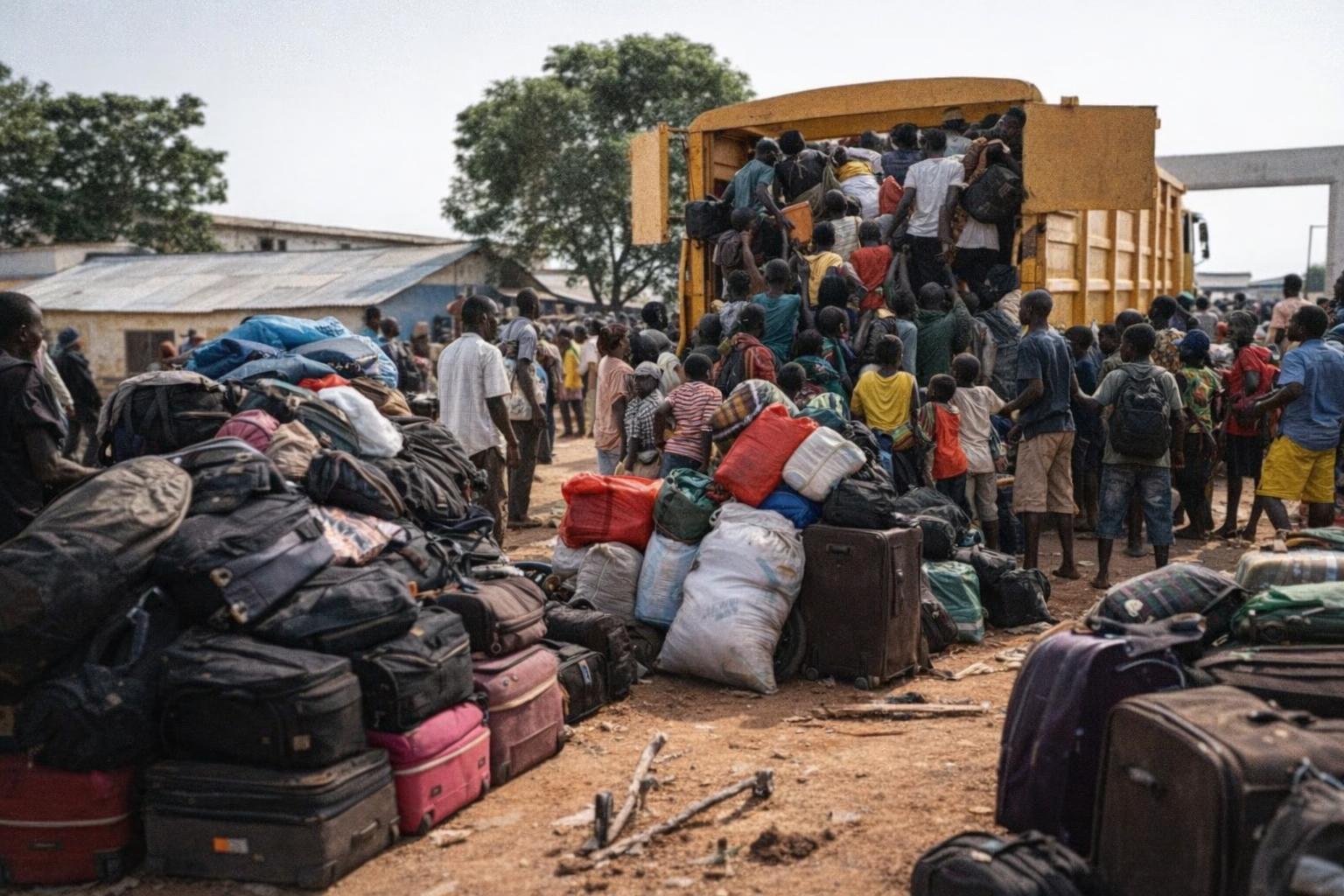
More than one million civilians have been displaced across South Sudan within the past month, according to civil society networks operating nationwide (Eye Radio). In their assessment, the displacement reflects a security environment that has deteriorated quickly in several regions.
In a joint statement issued today, organisations from the ten states, Greater Pibor, and the Ruweng Administrative Areas said the situation is being accompanied by loss of life, property destruction, and collapsing livelihoods (Eye Radio). They argued that civilians are absorbing the heaviest impact.
Escalating Violence Reported Across Key States
The networks said recent weeks have brought a rise in intercommunal clashes, cattle raiding, targeted killings, and armed confrontations involving local militias and security forces (Eye Radio). They described the violence as affecting both rural and urban settings.
Jonglei, Warrap, Upper Nile, and parts of Central Equatoria were cited among the areas most affected (Eye Radio). The statement framed the surge as a threat to fragile peace gains, warning of deeper humanitarian pressures if insecurity persists.
Accounts of Burned Homes and Heightened Risks for Women
In their estimate, around 1.05 million civilians have been displaced in the past month alone (Eye Radio). The statement said homes were burned and markets looted, forcing families to flee “with nothing but the clothes on their backs.”
The networks stressed that women and children are disproportionately affected, reporting heightened exposure to gender-based violence, hunger, and disease (Eye Radio). Their language underscored how quickly household safety nets can break down under sustained insecurity.
Humanitarian Access Constraints and Overstretched Services
Civil society representatives also reported that humanitarian access has been severely restricted in several areas, including attacks on aid convoys and threats against relief workers (Eye Radio). They warned that such constraints reduce the reach and reliability of assistance at a critical moment.
According to the statement, growing displacement is overwhelming available services, with families sheltering in schools, churches, and open fields (Eye Radio). They said many people lack sufficient food, clean water, and basic medical care.
Calls for Civilian Protection and Peace Agreement Implementation
The networks appealed to the Transitional Government of National Unity and local authorities to take urgent steps to restore law and order, protect civilians, and hold perpetrators accountable (Eye Radio). Their message positioned accountability as essential to rebuilding trust at community level.
They also urged the United Nations Mission in South Sudan and international partners to strengthen protection and support peacebuilding initiatives (Eye Radio). The statement cautioned that sustained violence could undermine implementation of the Revitalized Peace Agreement.
Inclusive Dialogue and Funding Requests to Address Root Causes
Civil society leaders called for inclusive dialogue involving communities, traditional leaders, and political actors to address drivers they highlighted, including competition over land and resources, the spread of small arms, and weak local governance (Eye Radio). They presented dialogue as a practical route to de-escalation.
They further appealed for increased humanitarian funding and renewed international attention to what they described as a worsening humanitarian and security crisis (Eye Radio). The statement’s overall tone combined urgency with a focus on coordinated, multi-actor responses.