

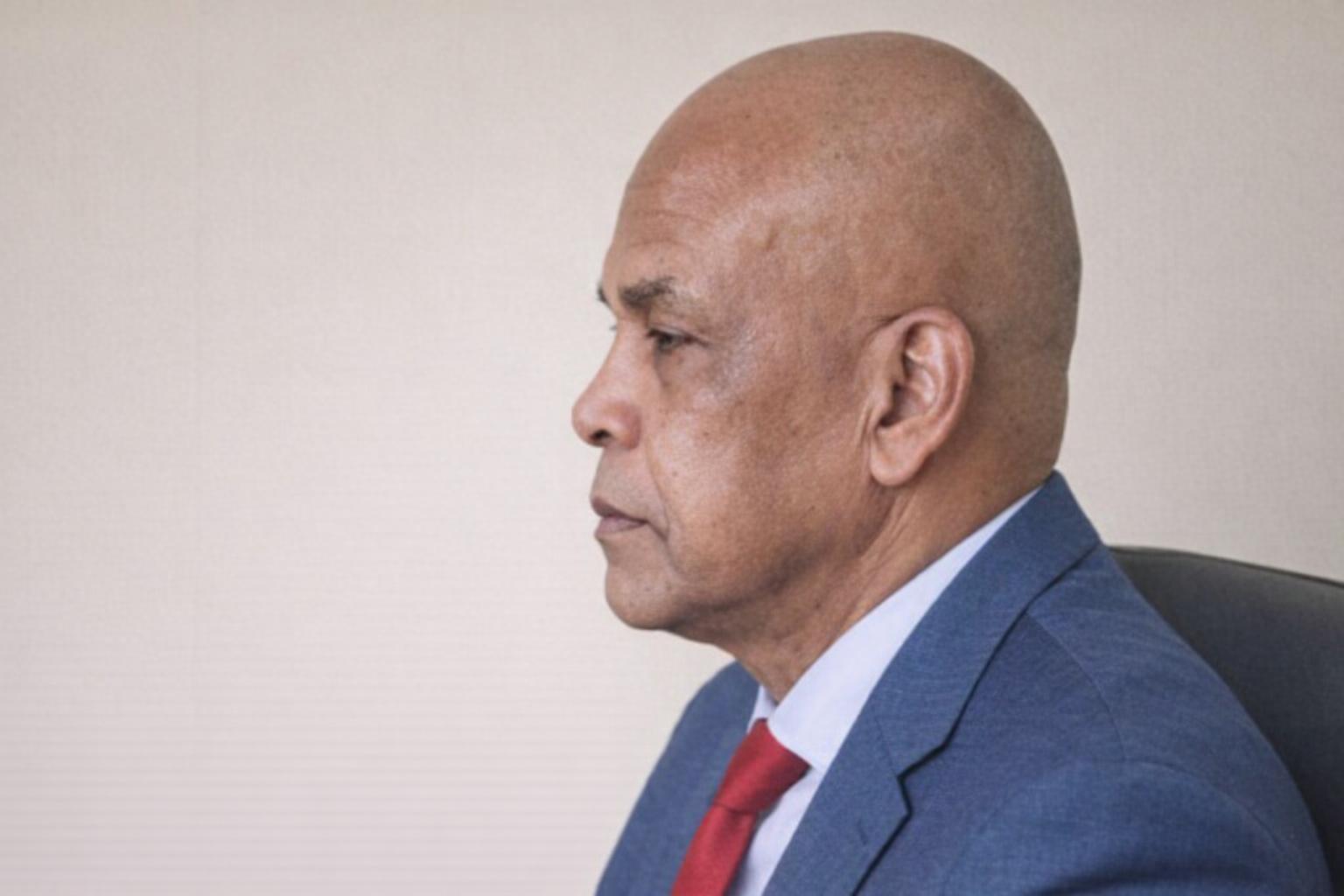
Presidential Decree Signals Leadership Change
South Sudan President Salva Kiir has dismissed Bank of South Sudan governor Yeni Samuel Costa and reappointed Johnny Ohisa Damian to lead the institution. The decision gives Ohisa a third stint in the role since 2022, underlining a renewed preference for experienced hands.
State TV Announcement, No Official Rationale
The reshuffle was communicated through a presidential decree read on state television on Friday evening. Authorities did not provide an explanation for the change, and the announcement offered no additional details on the timing or objectives of the handover.
Costa’s Short Tenure Amid Economic Headwinds
Yeni Samuel Costa, appointed on Nov. 12, 2025, served a little over two months. According to the same account, this is the shortest tenure for any central bank governor since South Sudan’s independence in 2011.
His period in office coincided with growing economic strain, including a steep depreciation of the local currency and inflation that remained high. These pressures have sharpened public attention on monetary and exchange-rate management.
Ohisa’s Return and Track Record Since 2022
Johnny Ohisa Damian had previously held the governorship before being removed around seven months ago. He first took the post in 2022, and his reappointment suggests continuity with earlier policy approaches and internal administrative familiarity.
Profile: Veteran Economist With Finance Ministry Experience
Described as a veteran economist and banker, Ohisa brings long experience in public financial management. Before his first appointment at the central bank, he worked in senior roles at the Ministry of Finance and Economic Planning.
In those posts, he was involved in fiscal policy work, revenue administration and engagement with international financial institutions. Supporters of institutional stability often view such background as valuable during periods of macroeconomic stress.
Bank of South Sudan Mandate in a Young Economy
The Bank of South Sudan is tasked with setting monetary policy, supervising the banking sector and protecting financial stability in the world’s youngest nation. With leadership now reverted to Ohisa, observers will watch closely for signals on inflation control and currency management.