

RJMEC warning to the African Union Council
South Sudan’s 2018 peace agreement is edging toward what monitors describe as an “irretrievable breakdown,” raising fears of wider conflict if tensions are not contained.
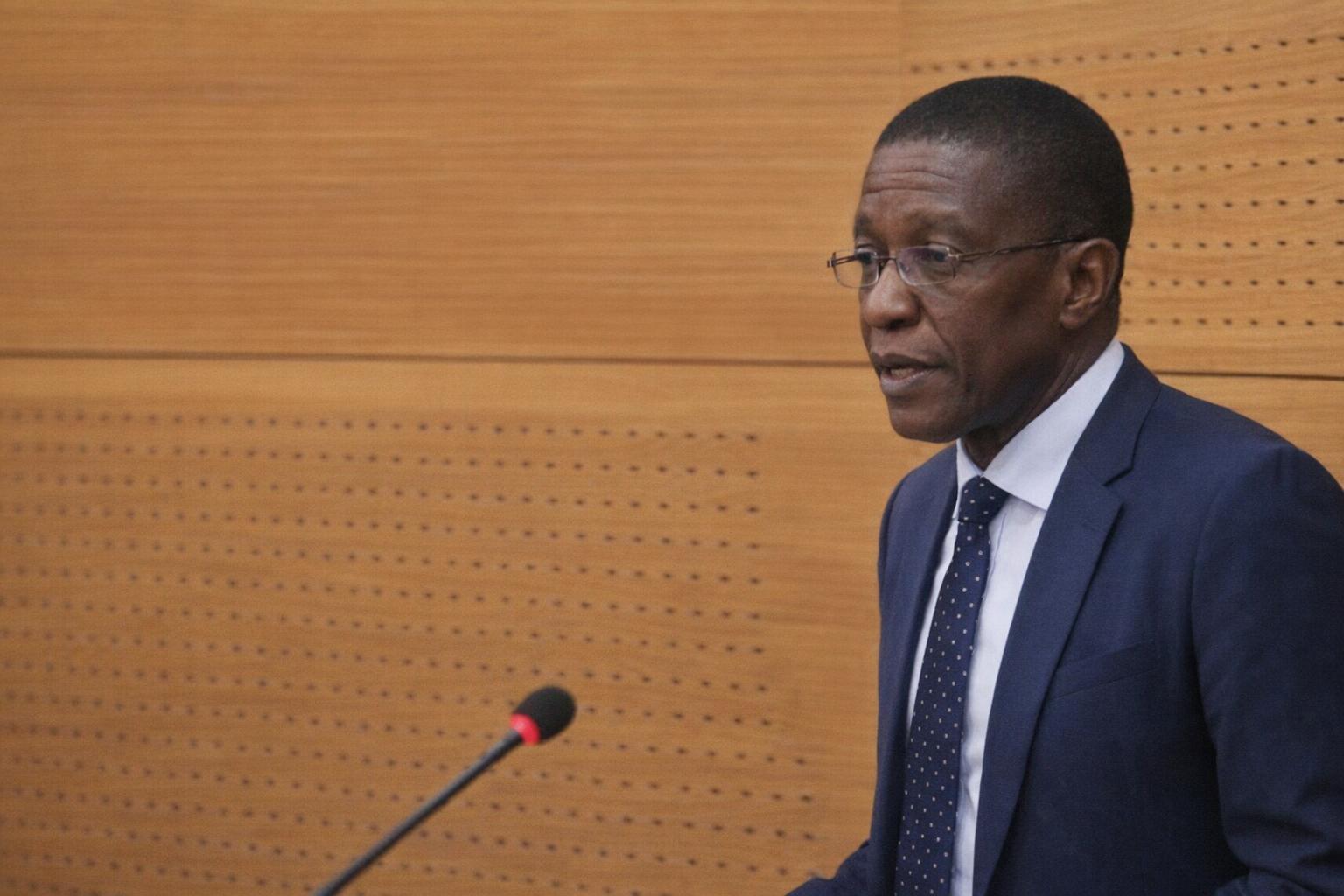
In a virtual briefing to the African Union Peace and Security Council, Maj. Gen. George Aggrey Owinow (rtd), interim chairperson of the Reconstituted Joint Monitoring and Evaluation Commission (RJMEC), said the political and security environment has “continued to deteriorate significantly.”
2018 R-ARCSS deal said to be severely undermined
Owinow said the Revitalized Agreement on the Resolution of the Conflict in South Sudan, known as R-ARCSS, has been “severely undermined,” a formulation that signals growing alarm within the oversight architecture.
According to briefing documents seen by Radio Tamazuj, he warned that recent developments threaten the permanent ceasefire and called for a return to implementing the accord “in letter and spirit.”
Nasir incident and the detention of Riek Machar
The warning follows a March 7, 2025 incident in Nasir and the subsequent arrest, detention, and prosecution of First Vice President Riek Machar, the opposition SPLM/A-IO leader, alongside other senior opposition officials before a special court in Juba.
Owinow urged that Machar’s detention be addressed as a priority, arguing that dialogue is difficult to revive without easing the political crisis at its center.
Ceasefire violations and power-sharing strains
RJMEC’s report describes escalating clashes between the South Sudan People’s Defense Forces and Machar’s SPLA-IO forces in at least six of the country’s 10 states, framing the fighting as a breach of the permanent ceasefire.
It also cites the unilateral removal of opposition figures from ministerial and legislative posts, a move the report links to further stress on the power-sharing formula underpinning the peace deal.
Election timeline disputes and proposed amendments
The briefing situates the political deadlock in a wider debate over timelines, as the government seeks amendments that would delay a national census and the constitution-making process.
In practical terms, the proposal would push key milestones beyond the planned December 2026 elections, and the monitoring body is reviewing the suggested changes.
Humanitarian and economic pressures deepen
Beyond politics and security, the report says humanitarian and economic conditions continue to worsen, driven by renewed fighting, climate shocks, and a weakening currency.
It also notes additional strain linked to arrivals of people fleeing the war in neighboring Sudan, compounding needs in communities already under pressure.
Calls for urgent AU engagement and dialogue
Owinow urged the African Union to take urgent steps to press the parties to halt hostilities, reactivate peace mechanisms, and help restore political dialogue, including by seeking Machar’s release.
He also called on the parties to “agree on practical steps to realize free, fair and credible elections,” framing electoral credibility as a central test of the transition.
How South Sudan’s conflict shaped the current impasse
South Sudan became independent from Sudan in 2011, but the country fell into civil war in 2013 amid a power struggle between President Salva Kiir and Machar.
The 2018 agreement created a fragile unity government, yet implementation has repeatedly stalled amid political disputes and episodes of violence, leaving the transition vulnerable to renewed shocks.