

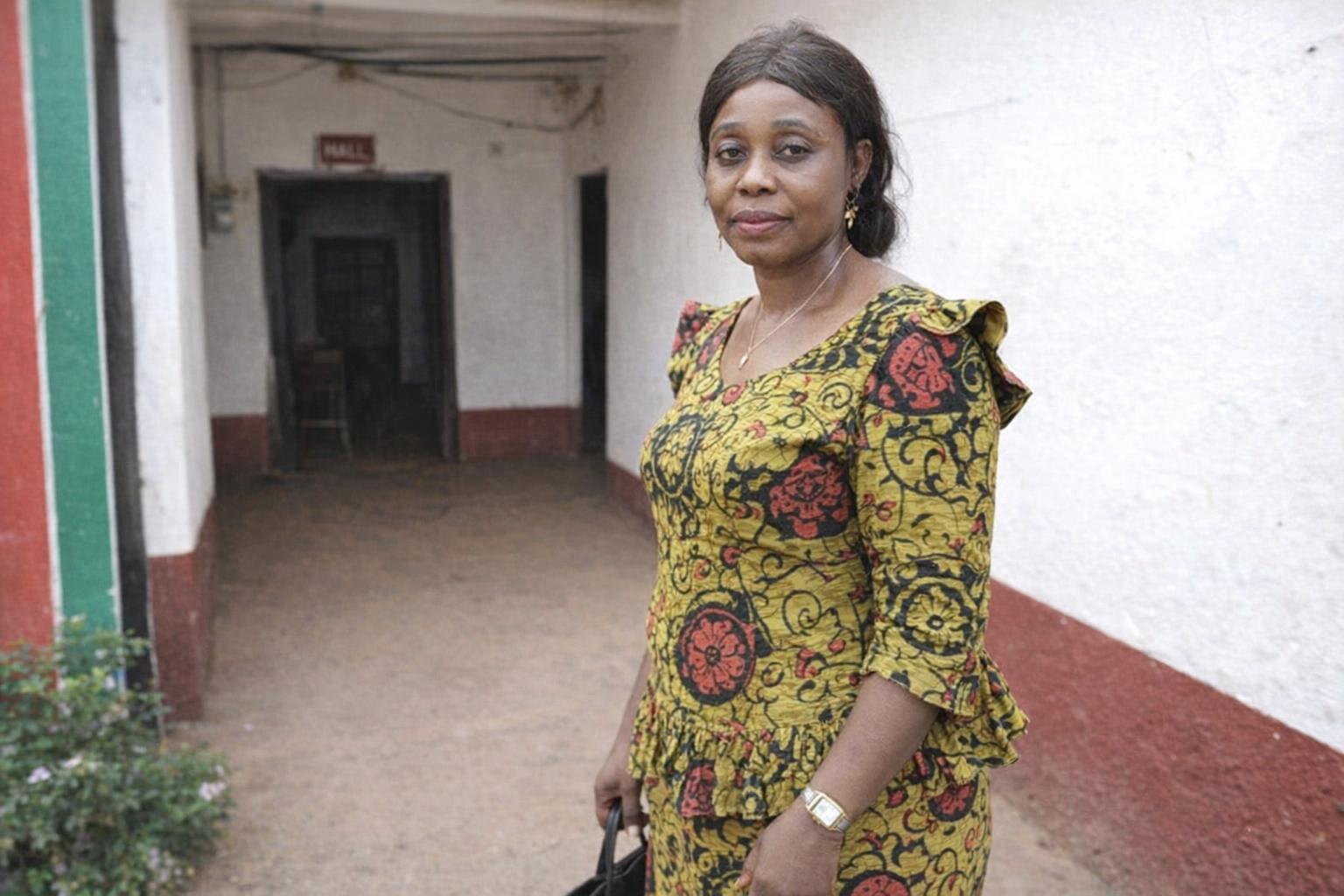
South Sudan Women Leaders: A Profile from Northern Bahr el Ghazal
Hon. Grace Lino Kosta is a member of the Other Political Parties (OPP) and represents Jur River County in the state legislative assembly of Northern Bahr el Ghazal. She identifies her home area as Jur River County, Kuajena Payam, Mbili Boma, framing her work as rooted in local expectations.
Why Grace Lino Kosta Entered Politics
Kosta says her interest in politics started early, without coming from a political family. She presents her decision as a choice to represent her region and make her voice count in public life, reflecting a familiar path for young leaders who begin with community identity rather than political lineage.
Family and Community Support for Women in Politics
She recounts contesting the 2010 national elections, describing a competitive environment where SPLM prevailed over other parties. Kosta says her family reacted positively and remained supportive, noting that encouragement, advice, and some financial contributions helped sustain campaign activities and public engagement.
Leadership Style: Honesty, Justice and Transparency
Asked about leadership approach, Kosta emphasises honesty, justice, and transparency. She says she avoids making promises she cannot deliver, and describes openness with her community about resources as a key principle. The framing suggests accountability as a personal brand, not only an institutional requirement.
From OPP Mobilisation to Parliament: Her Political Trajectory
Kosta credits a friend for introducing her to the OPP and its manifesto, which she says shaped her political outlook. She joined politics in 2010 after learning participation could start at 18. She did not win that election, but says she was later appointed to the assembly after the peace agreement was signed.
Roles Held: Community Development to OPP Chief Whip
Before her current role, Kosta says she worked as a clerk in the directorate of community development. Within the party, she served as Secretary for Information. She is now the Chief Whip for Other Political Parties in Parliament, a position she links to being consistently active in legislative and party duties.
Local Development Priorities: Police Post and School in Mbili
Kosta notes that limited budgets can constrain service delivery, pushing leaders to focus on proposals and advocacy. As Chief Whip, she says she drafted a proposal for a police station and a school in Mbili. She adds the plan has not yet been approved, citing a lack of funds as the reason.
Women and Elections in South Sudan: Mobilising the Grassroots
With elections expected in December, Kosta argues women should compete within parties and also turn out as voters. She urges citizens, especially women, to identify candidates and vote rather than disengage. She also says she intends to run as a Member of Parliament for her constituency, though she has not launched a formal campaign.
Understanding South Sudan’s 35% Women Representation Target
Kosta describes the 35% target as affirmative action meant to open leadership positions, including governorships, ministries, and parliamentary seats. She cites Hon. Sarah Cleto as an example of a woman appointed governor. Kosta adds that women may not always benefit fully if they are removed, arguing the provision should be respected and implemented.
Barriers Facing Women Leaders: Mobility, Domestic Pressure, Logistics
Kosta says women can face marginalisation, including domestic constraints where spouses may discourage political participation. She also highlights logistical challenges, especially mobility needed for fieldwork and election-related duties. Her coping strategy includes consultation with her husband on political issues, and careful planning to balance public office with household responsibilities.
Vision for South Sudan Development: Peace, Security and Social Cohesion
Kosta frames South Sudan as a young country still learning to move forward, comparing it to a “crawling baby.” She links progress to achieving the 35% target and maintaining peace so national effort can shift toward development. She says security must come first, arguing that schools and public services cannot thrive without stability.
Message to Young Women: Education, Confidence and Participation
Kosta encourages girls and women to study, work hard, and build confidence to seek leadership roles, including parliament and even the presidency. She calls for young women who paused schooling to return and complete their studies. She also urges citizens to reject tribalism and vote for leaders they genuinely choose.