

South Sudan Inclusive Peace Dialogue: What’s New
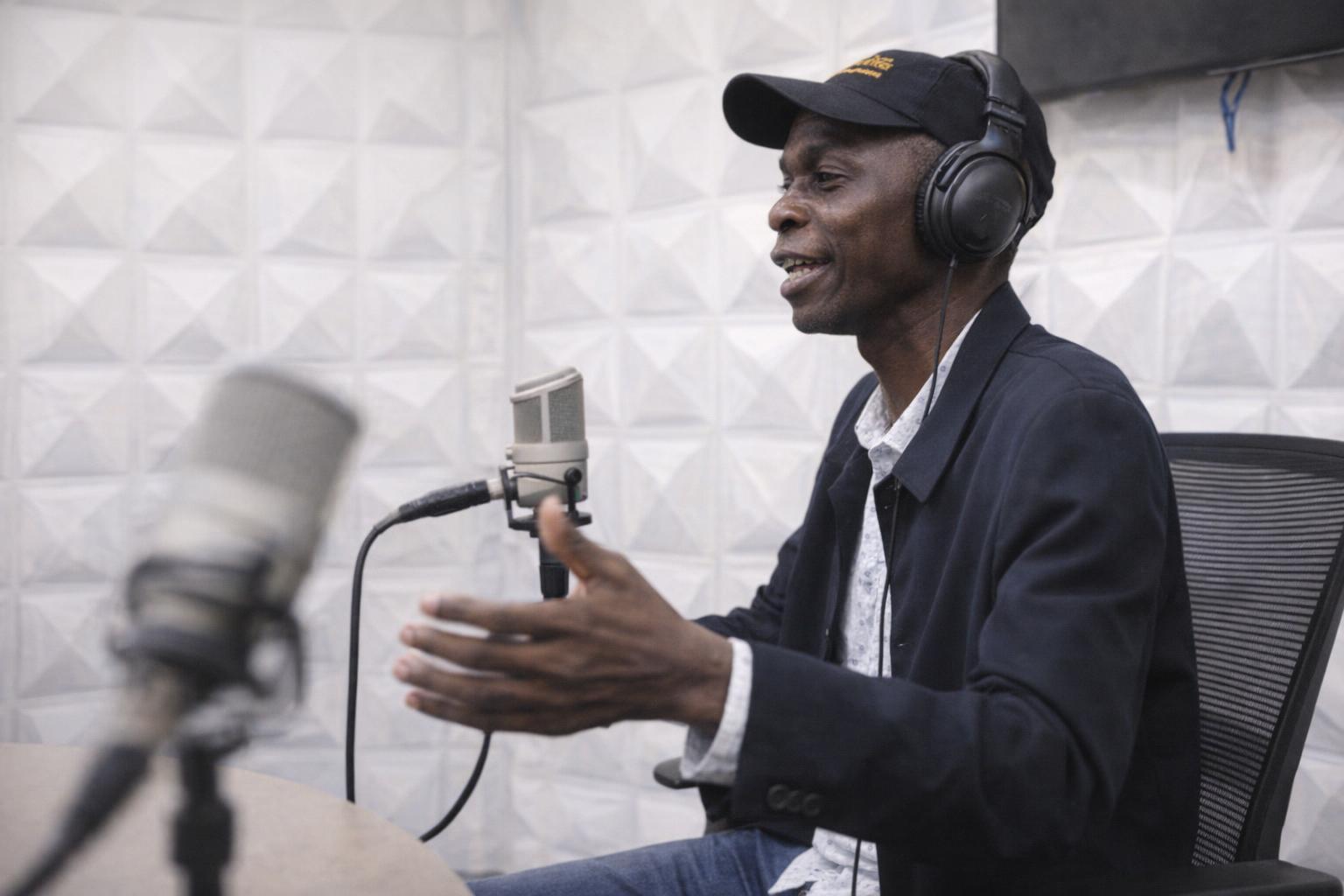
Activist Edmund Yakani says stakeholders are making a final attempt to convene a South Sudanese-led, inclusive dialogue among parties to the 2018 peace agreement, according to Eye Radio (Eye Radio).
Speaking on behalf of religious leaders, civil society actors and women mediators, Yakani presents the initiative as a practical step to calm tensions and create space for political engagement beyond the battlefield.
2018 Peace Agreement Parties Urged to De-escalate Clashes
Yakani links the planned dialogue to ongoing clashes in parts of the country, which he says have brought civilian suffering, displacement and alleged human rights violations (Eye Radio).
In his framing, the talks are designed to reduce escalation and refocus political disagreements on negotiation, while keeping the process anchored in South Sudanese ownership.
Delegate Submission Deadline Shapes the Peace Talks Timeline
Yakani, who leads the Community Empowerment for Progress Organization (CEPO), says the dialogue is expected to begin once all parties submit names of their delegates to an organizing committee (Eye Radio).
He calls on the parties to submit their delegates promptly, arguing that speed and inclusivity are essential to ensure the process is credible and genuinely representative.
Yakani’s Message: Dialogue Over Military Solutions
“This is a last chance for South Sudanese to resolve their political disagreements through dialogue rather than military solutions,” Yakani says, warning against citizens paying the cost of power struggles (Eye Radio).
He urges parties to provide delegate names “this week” so a “genuine, inclusive conversation for peace” can start without further delay (Eye Radio).
Civil Society and Women Mediators Back ‘South Sudanese to South Sudanese’
The initiative includes women mediators and wider civil society stakeholders under the slogan “South Sudanese to South Sudanese”, with the stated goal of renewing confidence, resolving political misunderstandings and preventing more violence (Eye Radio).
Yakani says the effort also aims to rebuild trust among stakeholders and political parties, an element he presents as central to sustaining any political commitments reached.
Accountability Signals for Those Who Obstruct the Process
Yakani warns that anyone obstructing the dialogue process would be publicly identified, presenting transparency as a safeguard against derailment (Eye Radio).
He also argues that dialogue remains the only viable pathway to prevent further civilian suffering and preserve stability, positioning the initiative as an urgent national priority (Eye Radio).