

South Sudan’s Oversized Transition Government
In 2020, South Sudan formed a coalition government with an unusually broad executive set-up: a president, five deputies, and a 35-member Cabinet. The arrangement was widely presented as a compromise architecture meant to steady the country after conflict.
With an estimated population of 12 million, the legislature’s reported 650 members has become a frequent reference point in political debates. Supporters frame it as inclusive power-sharing; critics view it as a costly structure that still struggles to deliver reforms.
R-ARCSS and the Election Timeline to December 2026
The 2018 Revitalized Agreement on the Resolution of Conflict in the Republic of South Sudan, known as R-ARCSS, created the Revitalized Transitional Government of National Unity led by President Salva Kiir. The transitional mandate has reportedly expired three times and was renewed through extensions.
The first extension in August 2022 moved elections to December 2024. A further extension in September 2024 postponed polls to December 2026, with the authorities citing financial constraints and logistical challenges. Some international observers and civil society groups have expressed unease about repeated delays.
Key R-ARCSS Reforms Still Shaping Politics
The agreement’s core protocols cover power-sharing, security arrangements, economic reform, transitional justice, and a constitutional review intended to guide the country toward democratic elections. The text also set a sequencing logic: an eight-month pre-transition, followed by a 36-month transition toward polls.
In political commentary, R-ARCSS is often credited with reducing violence nationwide, while acknowledging continued insecurity, including a reported flare-up in Upper Nile. Monitoring bodies such as the Reconstituted Joint Monitoring and Evaluation Commission are mandated to track progress and flag implementation gaps.
Implementation Gaps: Security, Justice and Governance
By 2026, the agreement remains the main peace framework, yet the article’s author argues that key reforms remain incomplete, notably security-sector restructuring and the constitutional review. He also links delays to wider socioeconomic stress, including hunger and displacement.
The text highlights the stalled elements of transitional justice, including provisions for a Hybrid Court for South Sudan, a Commission for Truth, Reconciliation, and Healing, and a Compensation and Reparation Authority. It presents these as central to long-term legitimacy, not merely legal technicalities.
Political Consensus and the Riek Machar Factor
Public opinion is described as divided over whether elections can credibly proceed amid unresolved political disputes, with Machar’s situation frequently cited. The article states that Riek Machar, a principal signatory and First Vice-President who is described as suspended, is in detention.
According to the text, Machar is being tried by a special court in Juba on treason and other serious charges, which could limit his participation. It adds that SPLM-IO has factionalized, and some loyalists dismiss planned elections as lacking credibility, though the author argues SPLM-IO alone should not determine the vote’s legitimacy.
Electoral Readiness: Laws, Census and Institutions
The article claims election preparations appear more advanced than before. It reports that by December 2025, steps such as a permanent constitution and a census—previously deferred—would remove major hurdles. It also states that 2010 constituencies were declared as the basis for delimitation.
Across the country’s 10 states, the text says State High Electoral Commission offices have been established and staff training has begun. It also references amendments to the Transitional Constitution and other electoral laws, reportedly involving the Justice Ministry, as part of meeting minimum prerequisites before December 2026.
Security Challenges and the Sovereignty Argument
On security, the author contends elections can still be held despite difficult environments, citing other countries that conducted polls amid conflict. The text frames this as a practical rather than ideal scenario, with risk management as a core requirement rather than a reason for indefinite postponement.
The article also invokes the principle of sovereignty under the UN Charter, quoting Article 2(1) on the sovereign equality of states. In this framing, South Sudan’s legal framework should be the basis for conducting elections, even as stakeholders debate sequencing and safeguards.
What the 2026 Ballot Could Settle
The author presents elections as a mechanism to close the cycle of perpetual transitional extensions and to establish clearer accountability for governance and service delivery. He argues that while challenges remain, they are not sufficient to justify another delay.
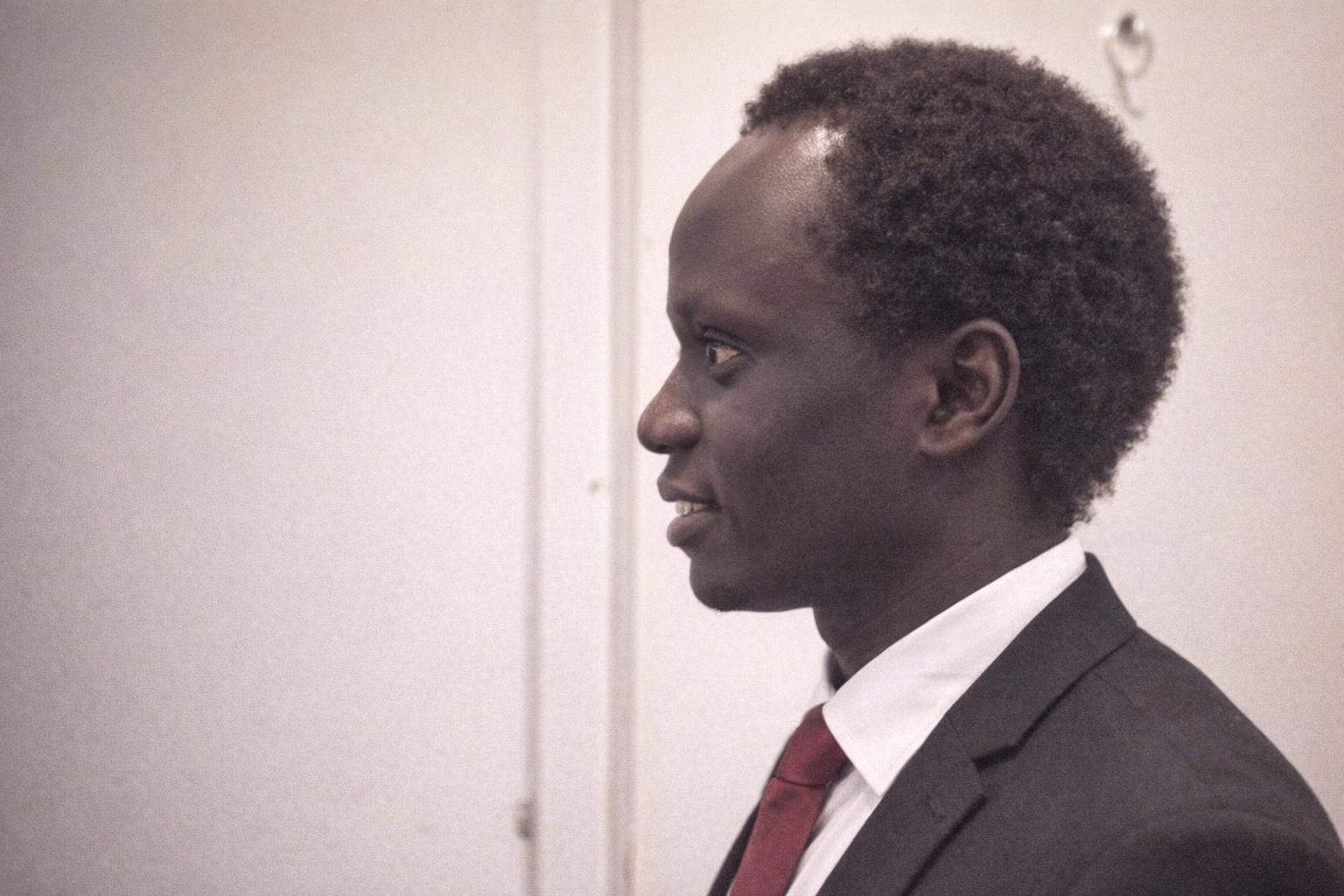
The piece is signed by Manas James Okony, identified as a South Sudanese journalist and author, and it is published as an opinion article by Radio Tamazuj, which notes that views expressed are solely those of the writer (Radio Tamazuj).