

Juba statement aims to calm speculation
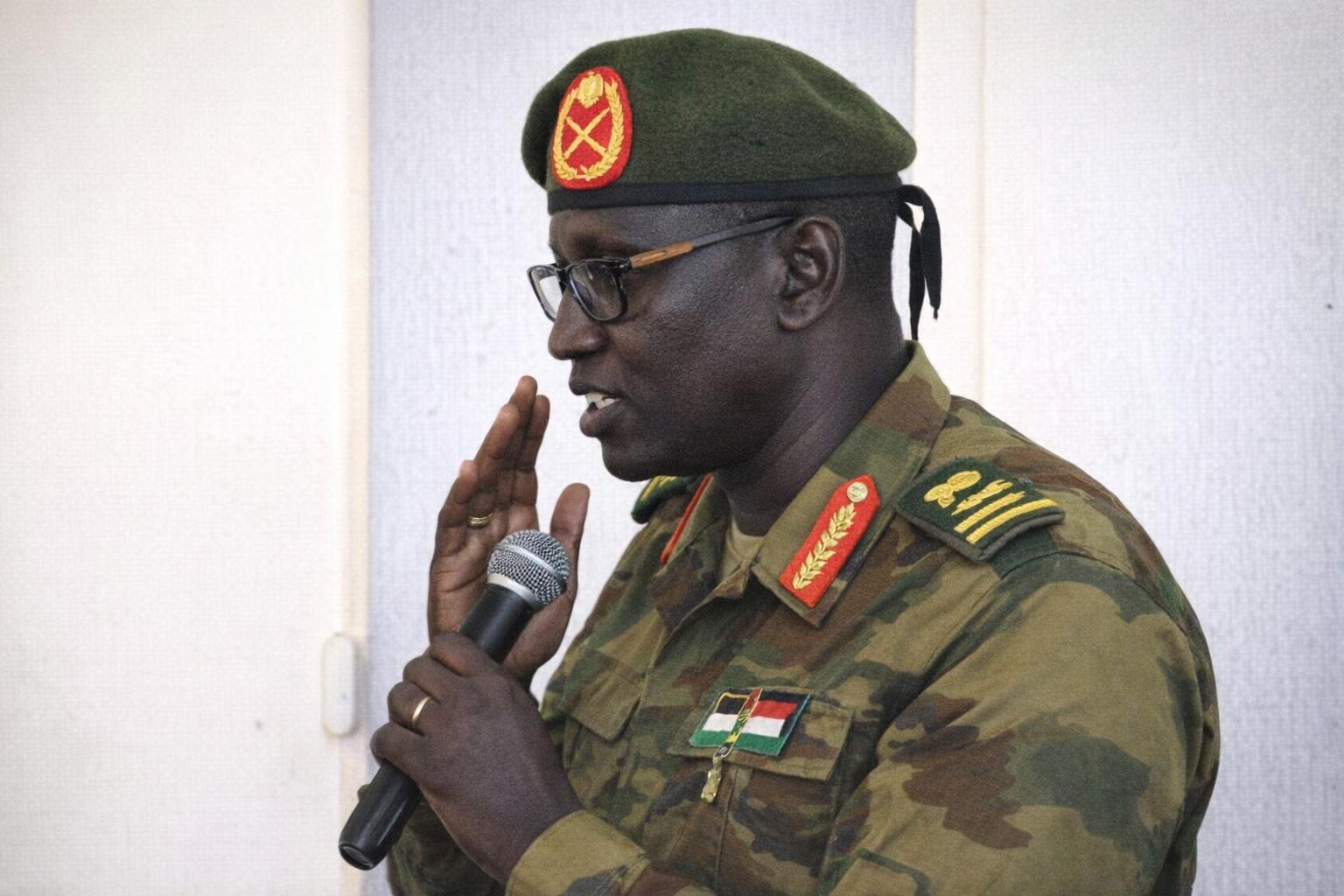
South Sudan’s army spokesman, Major General Lul Ruai Koang, said on Friday he was “not under arrest” and had not been dismissed, pushing back against social media claims that circulated after fighting in Jonglei State.
“This brief statement serves to inform own rank and file and the public that I’m neither relieved of my duties nor arrested,” Lul Ruai said, calling the reports “deliberate misinformation” spread by “anti-peace elements.”
Pajut capture in Jonglei raises pressure on SSPDF messaging
The rumours followed the capture of Pajut by opposition fighters from the Sudan People’s Liberation Army in Opposition (SPLA-IO). The settlement sits on the main road north of Bor, the Jonglei state capital, and its fall was described as a significant advance in recent months.
The government army, the South Sudan People’s Defence Forces (SSPDF), did not immediately issue a public statement confirming or denying the loss. It also did not address unverified reports that a senior government general had been killed during the fighting.
Why military briefings can lag in South Sudan
The absence of quick official communication, alongside fast-moving online battlefield claims, fed speculation that senior officers, including the spokesman, faced internal disciplinary measures. Analysts often note that delays can reflect command procedures rather than internal fractures.
According to the account, public statements on military operations have, in some periods, required clearance from the chief of defence forces. The measures were linked to an earlier diplomatic crisis involving a Ugandan military incursion that heightened sensitivities over regional implications.
Regional dynamics still shape public communications
The clearance procedures were intended to prevent contradictory messaging on sensitive security issues, particularly those with cross-border consequences. At the same time, they can slow the SSPDF’s public response during rapid confrontations inside the country.
Uganda has repeatedly deployed troops to South Sudan during earlier phases of the conflict to back government forces against rebel advances. Those interventions were credited with helping prevent the collapse of Juba, while also sharpening debates about sovereignty and external involvement.