

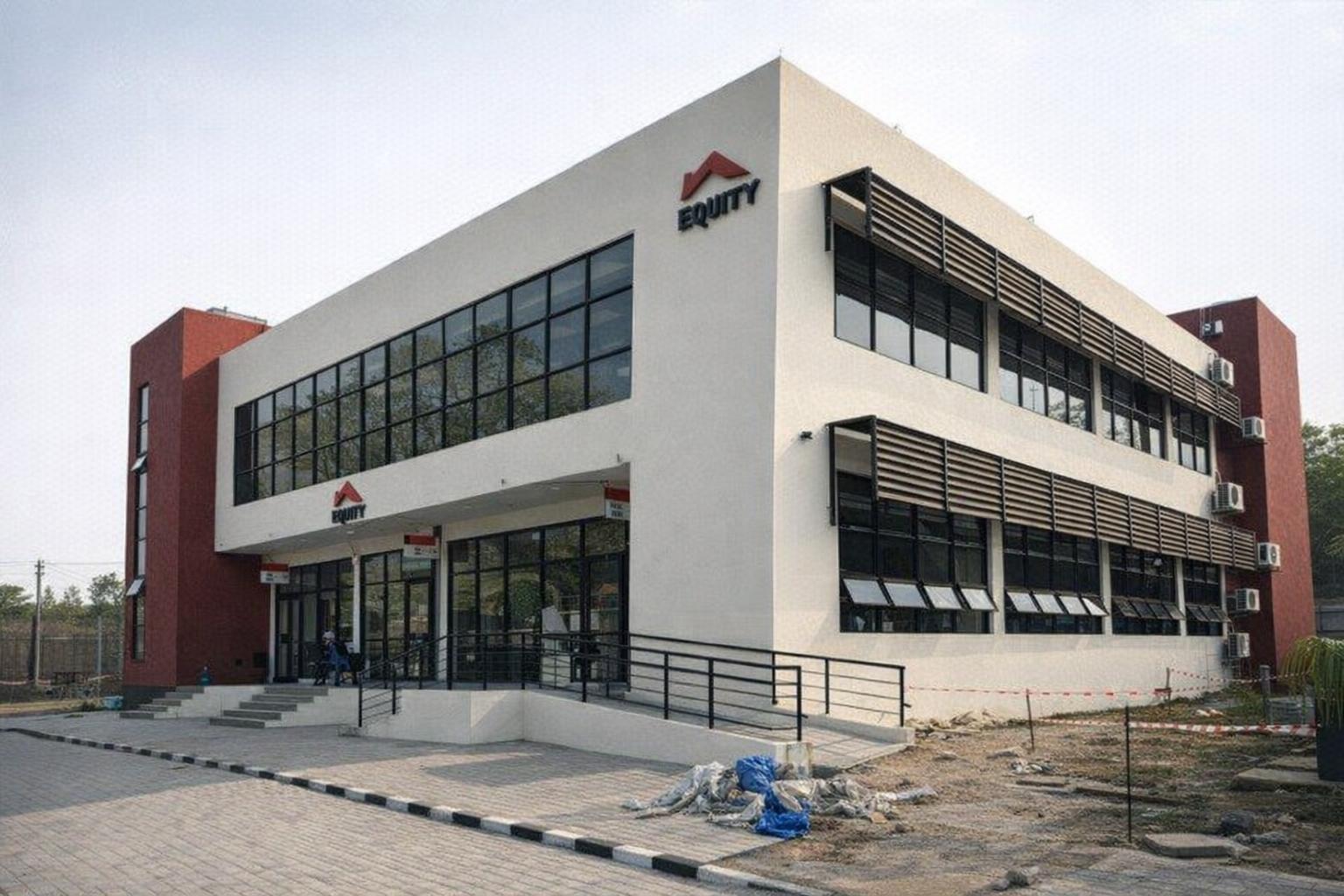
Juba banking dispute escalates
A South Sudanese law firm has given Equity Bank a seven-day deadline to release cash to its clients, accusing the lender of repeatedly failing to honour withdrawal requests. The firm warned it would take the dispute to court if the matter is not resolved within the stated timeframe.
Law firms cite repeated “no cash” responses
Pan African Law Chambers LLP, acting jointly with Alliance Law Chambers, said in a demand notice dated Jan. 14 that clients were on several occasions told by Equity Bank’s Juba Main Branch that there was “no cash”. The lawyers said the requests were lawful and documented.
Professional disruption and alleged losses
The firms said the alleged shortage disrupted legal work, caused financial losses and damaged clients’ professional standing. In their letter, they argued that the bank’s actions had impaired legal practice and obstructed legitimate institutional and personal obligations.
Banker-customer relationship at the centre
“The conduct complained of constitutes a fundamental breach of the banker-customer relationship,” the lawyers wrote. They added that their clients had been “unlawfully deprived of the full and unhindered enjoyment of their lawful banking rights”, positioning the dispute as a rights-based complaint.
Cash shortages in South Sudan’s fragile banking sector
Cash shortages are described as a recurring problem in South Sudan’s banking sector. The notice referred to a wider context marked by high inflation, currency volatility and weak liquidity, conditions that have often limited access to physical cash and delayed payments and operations.
Seven-day notice and litigation warning
The lawyers warned that unless the issue was resolved within seven days of receipt of the notice, they would file a civil suit without further correspondence. “Our instructions are clear and irrevocable to proceed with litigation,” the notice said, outlining a firm next step.
Damages claim and legal team announced
The firms said the case would be handled by a 13-member legal team drawn from both chambers. They said they would seek damages, interest and costs, including advocate’s fees listed at nearly $4 million, signalling a high-stakes confrontation for both sides.
Accountability framing and bank response awaited
The planned action was framed as a test of accountability in the financial sector, with the lawyers citing constitutional guarantees of access to justice. “No person or institution is above the law,” they said. Equity Bank, as of the report, had yet to comment on the matter.