

Juba Political Shake-Up in SPLM-IO Ranks
A South Sudanese lawmaker has resigned from the main armed opposition Sudan People’s Liberation Movement in Opposition (SPLM-IO), pointing to what he described as economic and political “confusion” inside the party. He framed the move as a response to a growing mismatch between ideals and day-to-day leadership.
Anei Deng Akok’s Resignation Letter to Riek Machar
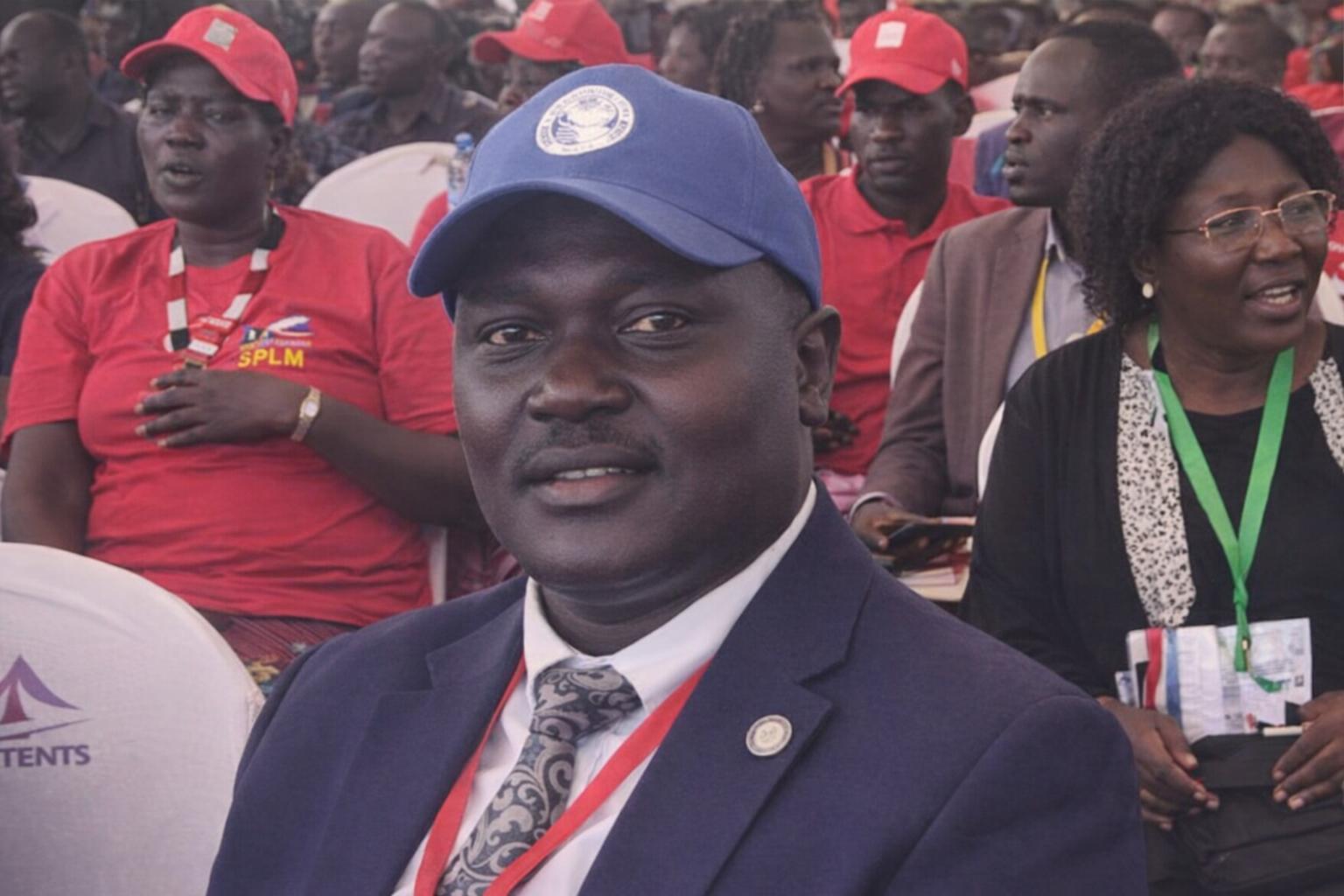
Anei Deng Akok, a member of the Transitional National Legislative Assembly representing Northern Bahr el Ghazal on the SPLM-IO ticket, submitted his resignation in a letter addressed to detained party chairman Riek Machar.
In the letter dated January 9, Anei said the movement’s mandate had, in his view, been lost in practice. He argued this has left citizens facing “suffering, economic hardship, and tribal divisions.”
Critique of Leadership Stagnation and Party Direction
Anei wrote of a “widening gap” between SPLM-IO’s founding principles and what he called “stagnation” in its current leadership. He said this divergence pushed him to reflect and ultimately, as he put it, “relieve myself from the confusion and stagnation that have beset our movement.”
The legislator, who previously served as Minister of Agriculture in Northern Bahr el Ghazal, thanked the party for its confidence in him. At the same time, he stressed that his political conviction had shifted.
Seeking a New Political Path Beyond War and Poverty
In the same letter, Anei said he intended to pursue what he termed a more “rightful political path and direction.” “I remain committed to seeking a rightful political path and direction—one whose ideology truly liberates our people from war, poverty, and division,” he wrote.
He added that his immediate priority would be “personal and professional activities,” without clarifying whether he would try to remain politically active in parliament.
Parliament Seat Dispute Under the 2018 Peace Deal
Anei’s resignation creates a legal and political puzzle around his seat in the national legislature. Under the 2018 revitalized peace agreement, parliamentary positions are distributed through party quotas.
Because Anei entered the assembly on the SPLM-IO ticket, his departure from the party could leave him without a legal basis to retain the seat. In this framework, the seat is treated as belonging to the party rather than the individual.
Unity Government Fragmentation and Opposition Quota Tensions
The resignation lands in a wider context of political fragmentation inside South Sudan’s unity government. The text reports that President Salva Kiir has repeatedly dismissed allies of Machar from key roles.
It also notes that some officials have resigned from SPLM-IO while still holding offices initially assigned to the opposition quota. Machar’s camp has protested this pattern, arguing it erodes the power-sharing ratios set out in the peace agreement.
Defections, Elections and a Precarious Political Period
Anei’s exit follows other recent defections that have reduced SPLM-IO’s leverage in the transitional government, according to the account. The timing is particularly sensitive as the country heads toward what is described as a precarious electoral period.
The same account situates these developments against a backdrop of escalating violence, adding to uncertainty around governance and the implementation of power-sharing arrangements.