

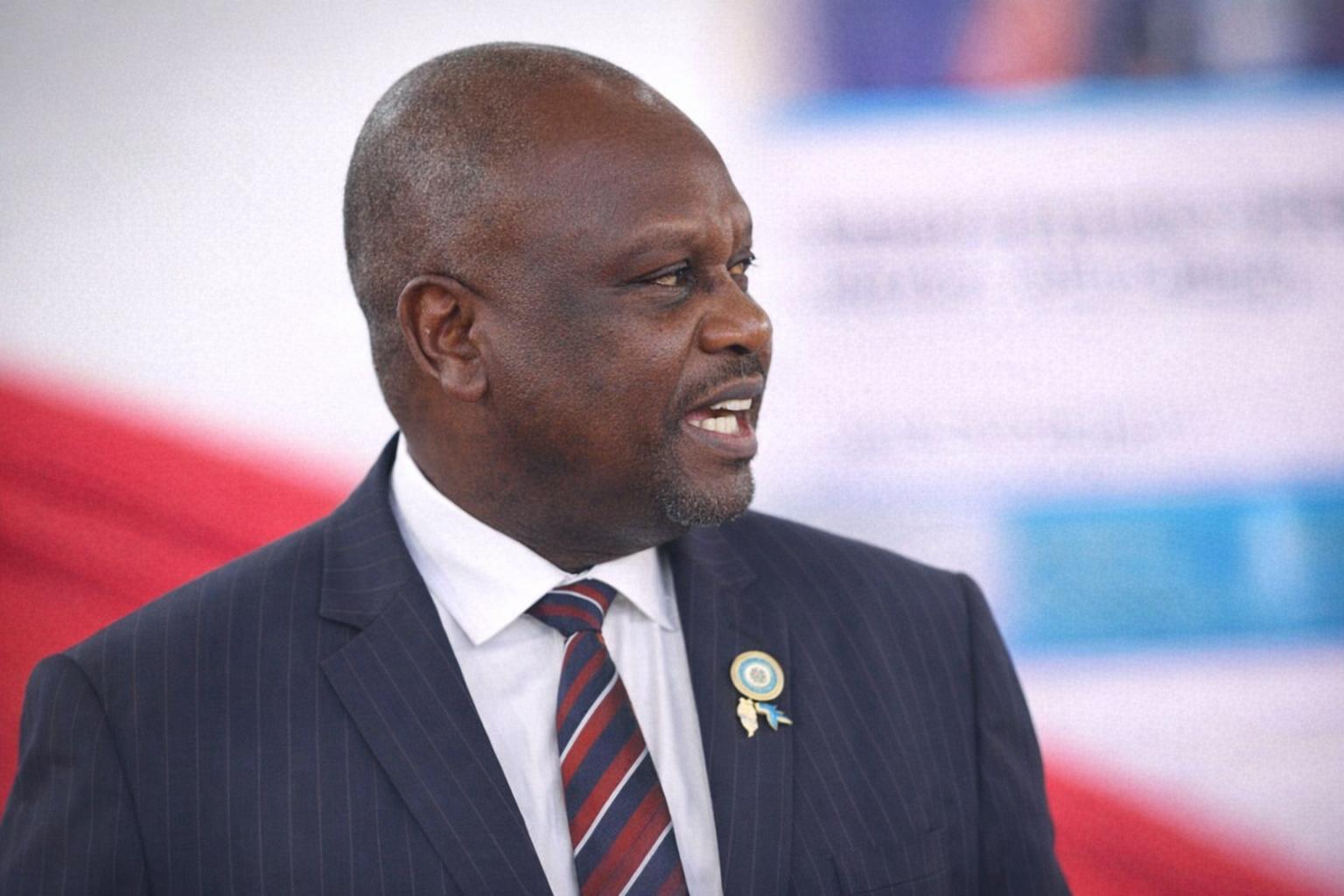
Court Orders In-Camera Sessions in Juba
A special court in Juba has barred the public and media from attending parts of the trial of suspended First Vice President Riek Machar and seven co-accused. Judges said the restriction aims to protect prosecution witnesses, following a request submitted by prosecutors.
The ruling was delivered during the 37th session at Freedom Hall. The panel decided that only judges, prosecutors, defence lawyers, and the accused would remain in the courtroom for Monday’s session. Police were instructed to escort observers out.
Witness Identity Protection Rules Tightened
Judges ordered that the identities and contact details of prosecution witnesses must not be disclosed, citing safety concerns. The court also warned against publishing any information that could reveal a witness’s identity or endanger a witness or their family.
Stephen Simon, one of three judges, said the court would hold certain testimony in-camera. Simon said any breach of the order would be treated as an offence and handled under the law, reflecting the court’s insistence on strict compliance.
Prosecution Cites Alleged Threats and Intimidation
Prosecutors told the court that some witnesses had allegedly faced threats and intimidation by relatives of the accused. They also said that one witness’s son was attacked and that another witness was beaten in neighbouring Kenya, linking the incidents to the case.
The prosecution further argued that witnesses’ names had been circulated on social media, creating what it described as an atmosphere of fear and intimidation. In their view, this could discourage witnesses from testifying freely before the court.
Defence Pushes Back on Open Justice Principles
Defence lawyers opposed the request to restrict access. They argued that South Sudan’s Constitution guarantees open and public trials, and they said the prosecution had not provided sufficient legal grounds to justify closing the proceedings.
The defence also warned that overly broad restrictions could undermine the accused’s right to a fair trial. The court, however, maintained that limited closures can be justified where witness protection is demonstrably necessary.
Judges Emphasise Proportionate Limits Under the Law
The court acknowledged the seriousness of alleged witness intimidation, while underlining that criminal trials are generally expected to be held in open court. Judges said protective measures should be necessary, proportionate, and applied case by case rather than through a blanket ban.
Prosecutors cited provisions in the Code of Criminal Procedure and the Transitional Constitution that allow limits on public hearings in exceptional circumstances. They asked for restricted access, redaction of witness names from records, and controls on dissemination of identifying information.
Charges Linked to Nasir Garrison Attack
Machar and his co-accused face charges including murder, conspiracy, terrorism, treason, destruction of public property, and crimes against humanity. The case centres on allegations tied to violence in Upper Nile state.
Prosecutors allege that SPLA-IO forces allied with the White Army killed 257 SSPDF soldiers, including Commander Gen. David Majur Dak, during the Nasir garrison attack in March 2025. They also allege equipment worth about $58 million was destroyed or seized.