

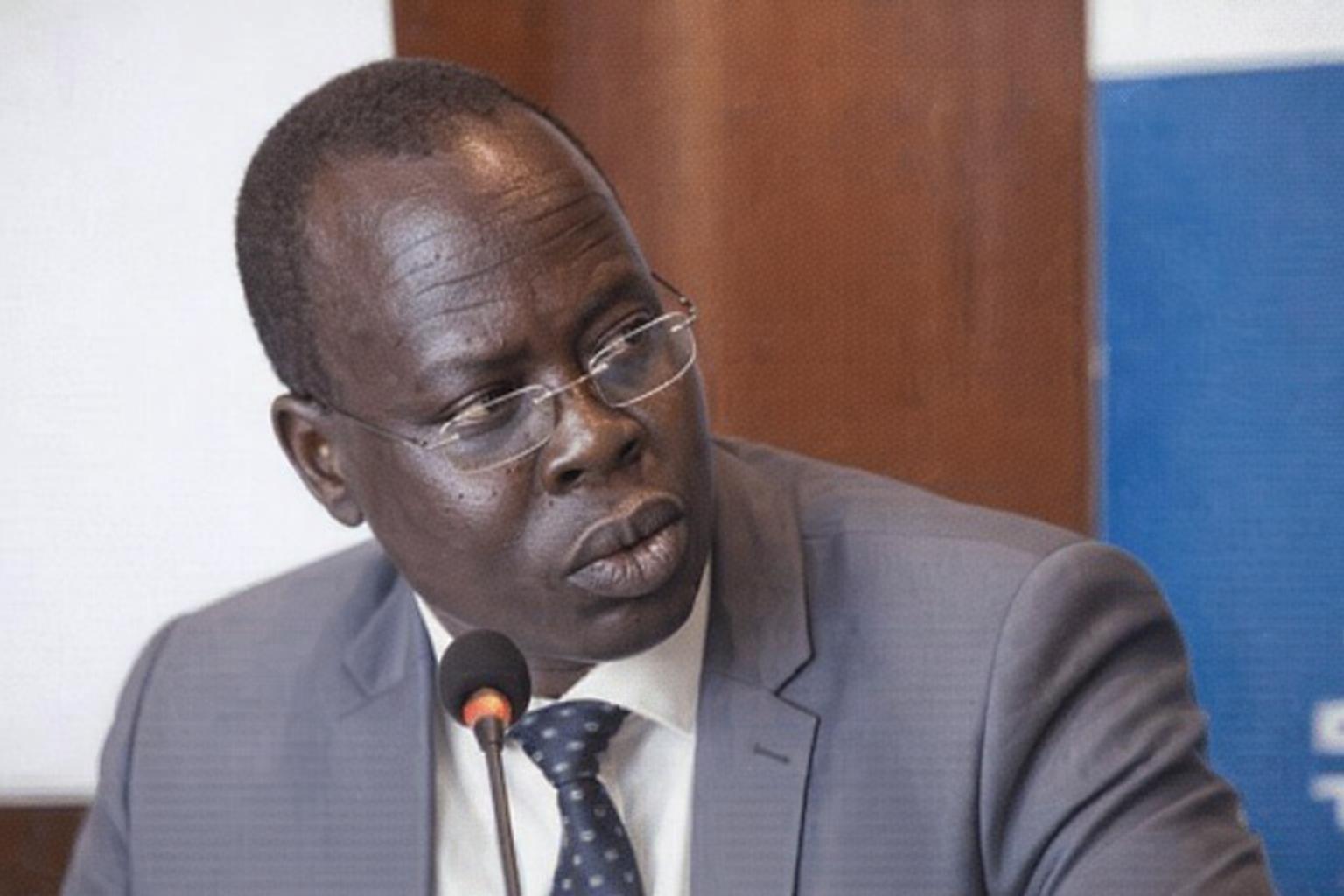
Juba reaction to the US foreign assistance pause
A South Sudanese civil society leader has urged authorities to open an independent investigation into alleged interference with humanitarian work, after the United States suspended assistance in parts of Jonglei State. He warned the decision could sharply affect civilians who depend on aid.
Ter Manyang Gatwech, executive director of the Centre for Peace and Advocacy (CPA), said swift action is needed for US support to resume in Ayod County and other areas. He made the remarks in a statement carried by Sudans Post.
Ter Manyang Gatwech calls for an independent investigation
“I call upon the Government of South Sudan to conduct an independent investigation so that U.S. Government assistance can be restored in Ayod County and other parts of the country,” Ter Manyang Gatwech said, linking accountability to the practical reopening of aid channels.
He argued that, from his perspective, the conduct of specific officials can have direct consequences for residents, especially those with limited coping options during shocks. Ter Manyang Gatwech noted that he is from Ayod County.
Why the United States suspended aid in Ayod County
Ter Manyang Gatwech’s intervention follows a US announcement that it had suspended foreign assistance in Ayod County, Jonglei State, and began reviewing aid to Western Bahr el-Ghazal. The US cited interference by South Sudanese officials, according to the statement.
The US also referenced the detention of an aid worker who allegedly refused an illegal request to hand over assets. In Washington’s framing, the issue is tied to protections around life-saving assistance and the integrity of delivery systems.
Political accountability and leadership changes urged
In his statement, Ter Manyang Gatwech called on the ruling Sudan People’s Liberation Movement led by President Salva Kiir to take responsibility and prevent further disruption to humanitarian operations. His focus was on what he described as decision-making within government structures.
“To ensure continued humanitarian services, the SPLM must take responsibility and make a decision to remove Hon. Chuol Jiek Bol from office,” Ter Manyang Gatwech said, presenting leadership change as a governance tool to restore confidence in operations.
Humanitarian principles and the risk of NGO withdrawal
Ter Manyang Gatwech said his organisation has repeatedly warned about the risks posed by officials who interfere with aid work or fail to respect core humanitarian principles. “We have consistently warned that the actions of individuals who do not understand or respect humanitarian principles have severe implications,” he said.
He warned that continued interference could trigger a broader pullback. “As a result of these actions, the United States Government may withdraw support and remove all NGOs currently operating in Ayod County,” he said, arguing that such a scenario would deepen community vulnerability.
Ayod County vulnerabilities and the wider aid dependence
Ayod County is described as among the hardest hit by flooding and food insecurity, with residents reliant on humanitarian assistance for survival. The statement also refers to an “emerging return to civil war,” underlining how insecurity and climate pressures can reinforce each other.
Aid groups have warned that a prolonged suspension could worsen malnutrition and displacement in Jonglei State. More broadly, the US has provided more than $9.5 billion in assistance to South Sudan since independence in 2011, and says it has zero tolerance for diversion of aid.