

Health partners deliver new lifeline
In Juba, bulldozers rumble as UNICEF, the UK government and South Sudan’s Ministry of Health embark on an ambitious six-month drive to revive frontline clinics.
The initiative targets maternal, newborn and child care in communities where conflict, floods and distance often force families to travel days for basic treatment.
Scope across seven states
By March 2026, renovated hospitals from Upper Nile to Eastern Equatoria are expected to open with expanded maternity wards, solar power and clean water systems, delivering uninterrupted service even during seasonal isolation.
Staff quarters, operating theatres and vaccine cold-chain stores form part of the upgrade, aligning with the national Health Sector Transformation Project.
Finance and responsibility
London’s contribution sits within a broader package worth about US$26 million, according to UK Ambassador David Ashley, who argues that predictable domestic budgets remain crucial for sustainability.
“International partners can bridge gaps, but national investment builds confidence,” Ashley told reporters, urging lawmakers to prioritise health and other basic services.
Climate-ready design
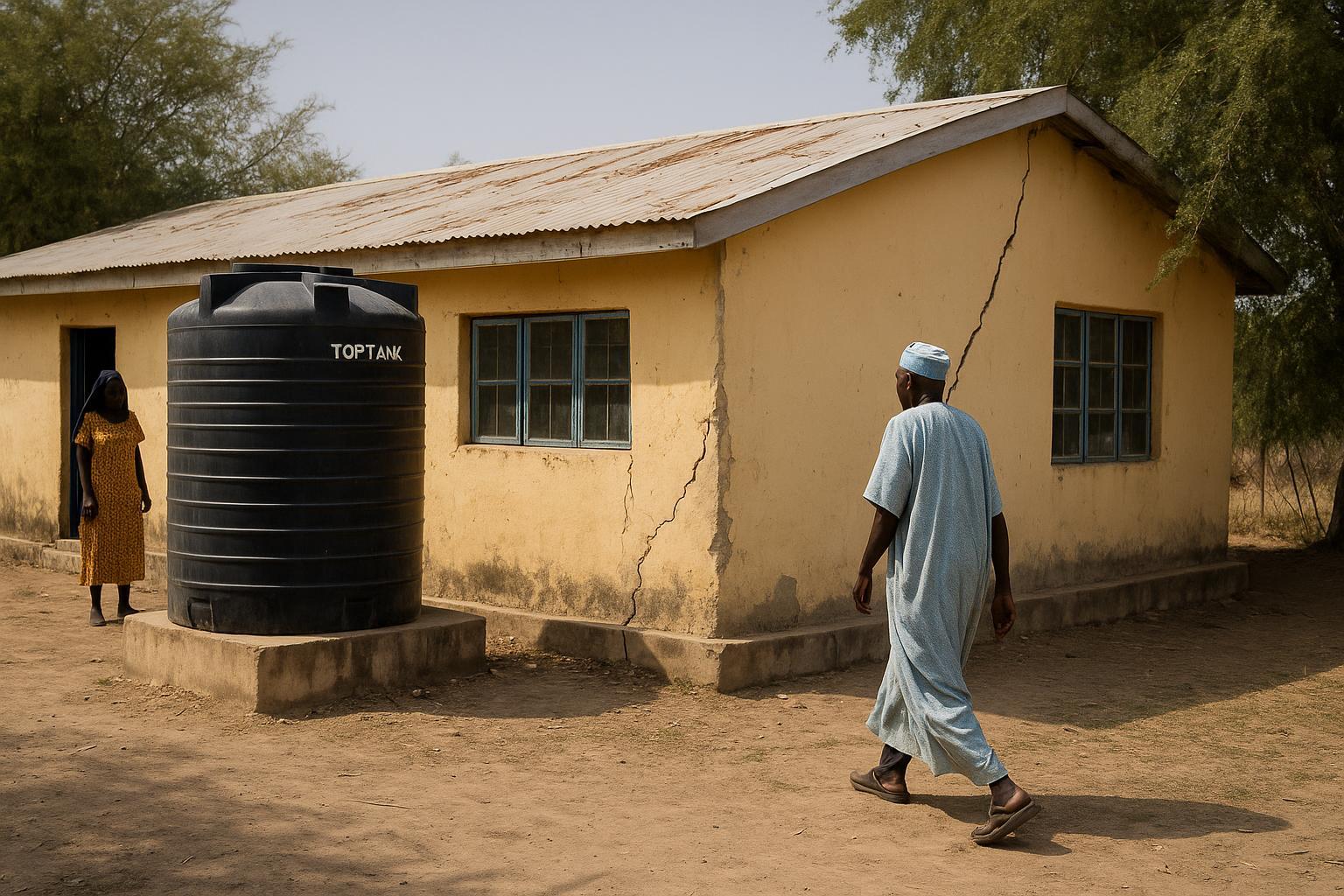
UNICEF acting representative Ismail Kamil highlighted climate-resilient layouts, noting elevated foundations, rain-harvesting tanks and energy-saving equipment designed to withstand both armed turbulence and harsher weather.
He believes the model will shorten referral times and allow expectant mothers to deliver “without fear, even during the wettest nights”.
Community expectations
In Bentiu, midwife Nyawal Gatluak said better lighting and water would “transform our night shifts”, while local chiefs hoped employment on the sites could inject cash into war-hit towns.
Construction teams have already cleared land in four locations, and health officials report strong community participation in monitoring materials to deter theft.
Path to resilient care
Stakeholders frame the programme as a test case for post-conflict recovery: if clinics stay open through the next rainy season, planners say, the template could guide nationwide primary health reforms.
For now, families watch foundations rise, seeing in fresh bricks a tangible sign that peace dividends may finally reach the household level.