

Fresh Fighting Tests Geneva Standards
Renewed firefights between the South Sudan People’s Defense Forces and the Sudan People’s Liberation Army-In Opposition in Jonglei and beyond have revived fears that hard-won truces are fraying.
Observers warn that each clash magnifies scrutiny on whether fighters respect the rules of war rather than repeat the abuses reported since 2013.
Key Legal Texts and Command Responsibility
Common Article 3 of the 1949 Geneva Conventions, Additional Protocol II and the Rome Statute outline clear limits: no targeting of civilians, torture or summary execution, and senior officers must prevent or punish violations committed by troops under their watch.
United Nations resolutions 1325, 1820, 1888 and 2467 strengthen that framework by highlighting sexual violence, insisting on survivor-centred remedies and reinforcing the principle that gendered crimes can never be excused as inevitable by-products of battle.
Civilian Protection and Gendered Violence
Humanitarian law obliges every fighter to distinguish between combatants and non-combatants; shelling homes, markets or hospitals violates the cardinal rule of distinction and may constitute war crimes under customary law and the ICC statute.
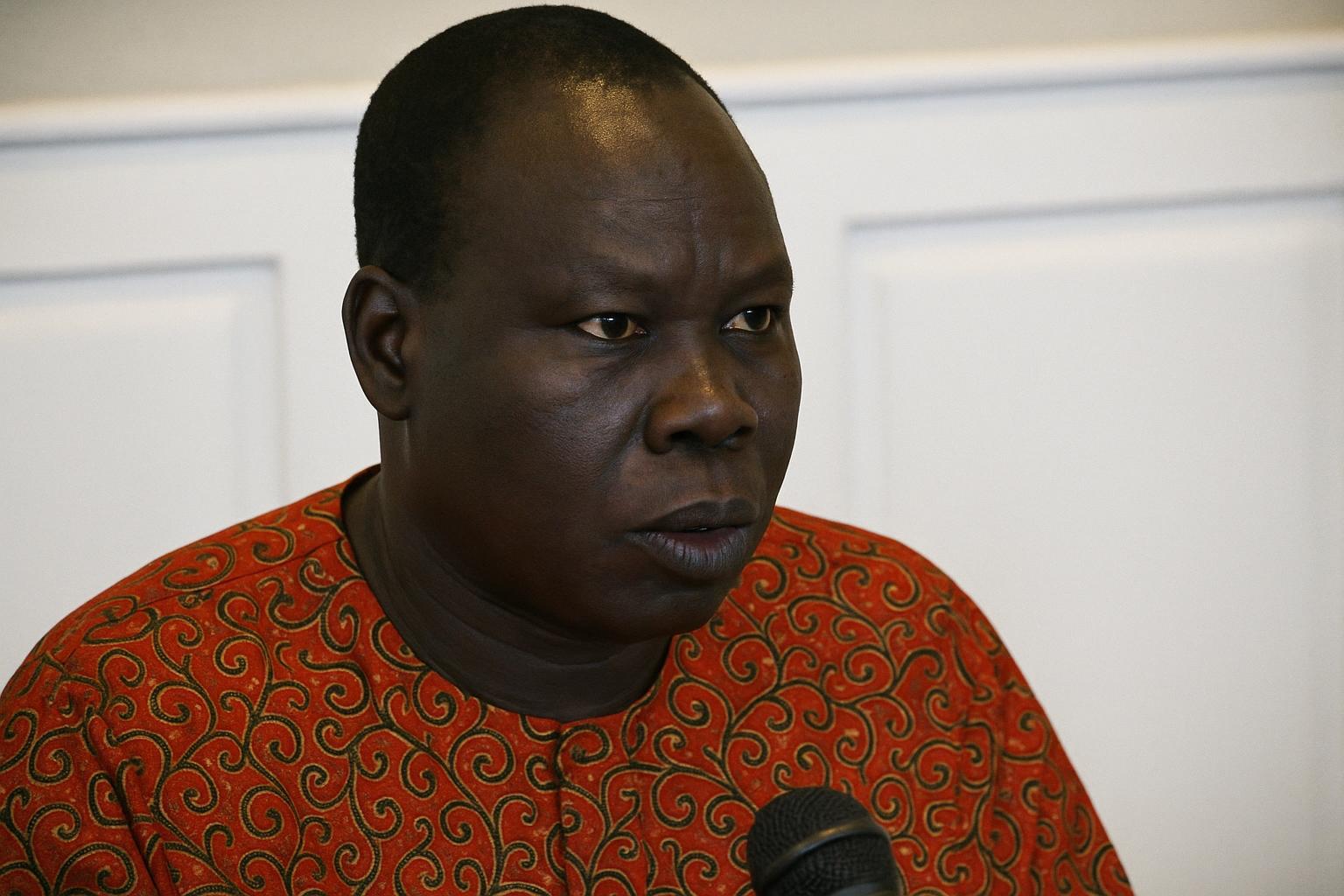
Rape, forced marriage and other abuses remain prevalent in several hotspots. “Commanders face a professional and moral duty to protect civilians and act swiftly against offenders,” says activist Ter Manyang Gatwech, who urges mandatory training in humanitarian law and transparent disciplinary boards.
The Road Toward Accountability Mechanisms
Legal scholars argue that a future Hybrid Court for South Sudan, backed by the African Union and Juba authorities, could close the impunity gap by prosecuting those most responsible, including leaders who knew or should have known about crimes committed by subordinates.
Reformers insist that clearer rules of engagement, regular scenario-based drills and cooperation with independent investigators would reduce violations now, sparing communities further trauma and avoiding costly reputational damage for the armed forces once peace negotiations solidify.