

South Sudan 2026 Elections and Peace Message
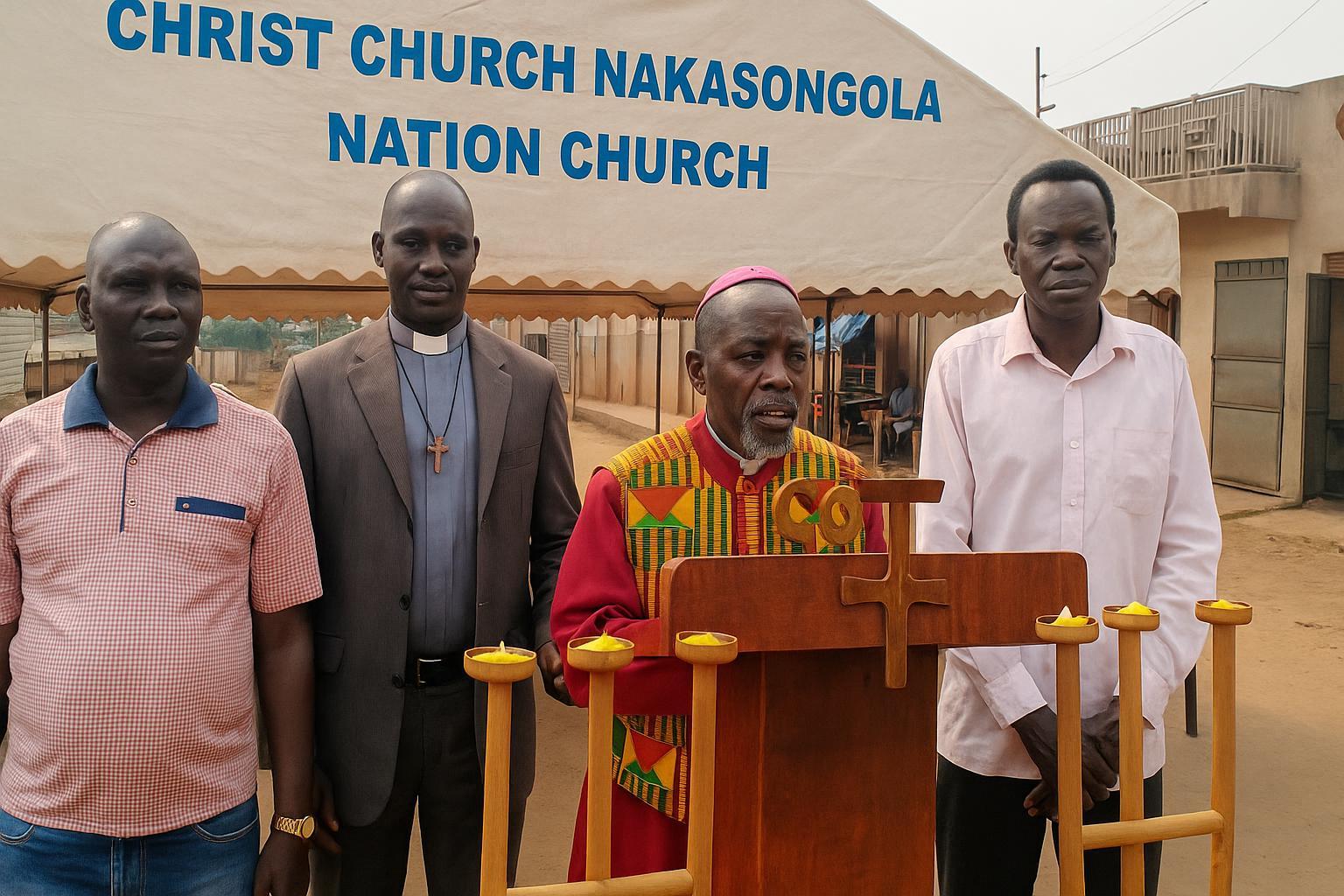
Addressing reporters in Nakasongola, central Uganda, Bishop William said the vote’s outcome, whether favoring President Salva Kiir or a challenger, should never divide communities. He warned that the memory of conflict is still raw and could be triggered by reckless rhetoric.
He reminded politicians that legitimacy grows when losers accept results and winners embrace inclusivity. Anything less, he argued, risks undoing gains made since the 2018 revitalized peace agreement, which halted most front-line fighting but left mistrust lingering.
Clergy Champions Unity over Rivalry
“The church and government are one,” he noted, distancing himself from partisan camps while signaling cooperation with state institutions. Observers say such language resonates in Juba, where leaders often seek faith-based endorsements for reconciliation initiatives.
William also called for a national day of prayer before campaigns formally open. Past interdenominational services drew fighters from rival factions into the same pews, offering rare face-to-face apologies that security forums struggled to secure.
Youth at the Heart of Stability
The bishop placed special emphasis on the youth bulge that defines South Sudan’s demographics. He cautioned that unemployed young men are often courted by politicians with cash, transport, and misleading slogans, turning election rallies into flashpoints.
“Your choices today decide tomorrow,” he told students listening online. Civic educators echo the warning, urging registration drives and peaceful protest training to channel youthful energy away from guns and toward ballots.
Faith Institutions as Mediators
The cleric’s intervention highlights the growing diplomatic role of churches in the absence of fully deployed national forces. From border parishes to capital cathedrals, priests often escort humanitarian convoys, negotiate local cease-fires, and document rights abuses for later truth commissions.
Government officials routinely attend ecumenical gatherings, seeing them as low-risk venues to float reforms such as cantonment site upgrades or unified command timetables. Analysts argue that clerical mediation reduces pressure on overstretched African Union observers.
Toward Sustainable Development through Peace
Bishop William linked tranquillity to economic growth, noting that roads, oil fields, and schools cannot flourish under sporadic gunfire. The International Monetary Fund estimates the nation lost billions in crude output during previous clashes; stabilisation could unlock dormant investment.
He ended his briefing with a simple prayer for 2026 to become a turning point, not a rerun of 2013 or 2016 crises. Whether that aspiration materialises may depend on how voters, leaders, and external partners heed his call.