

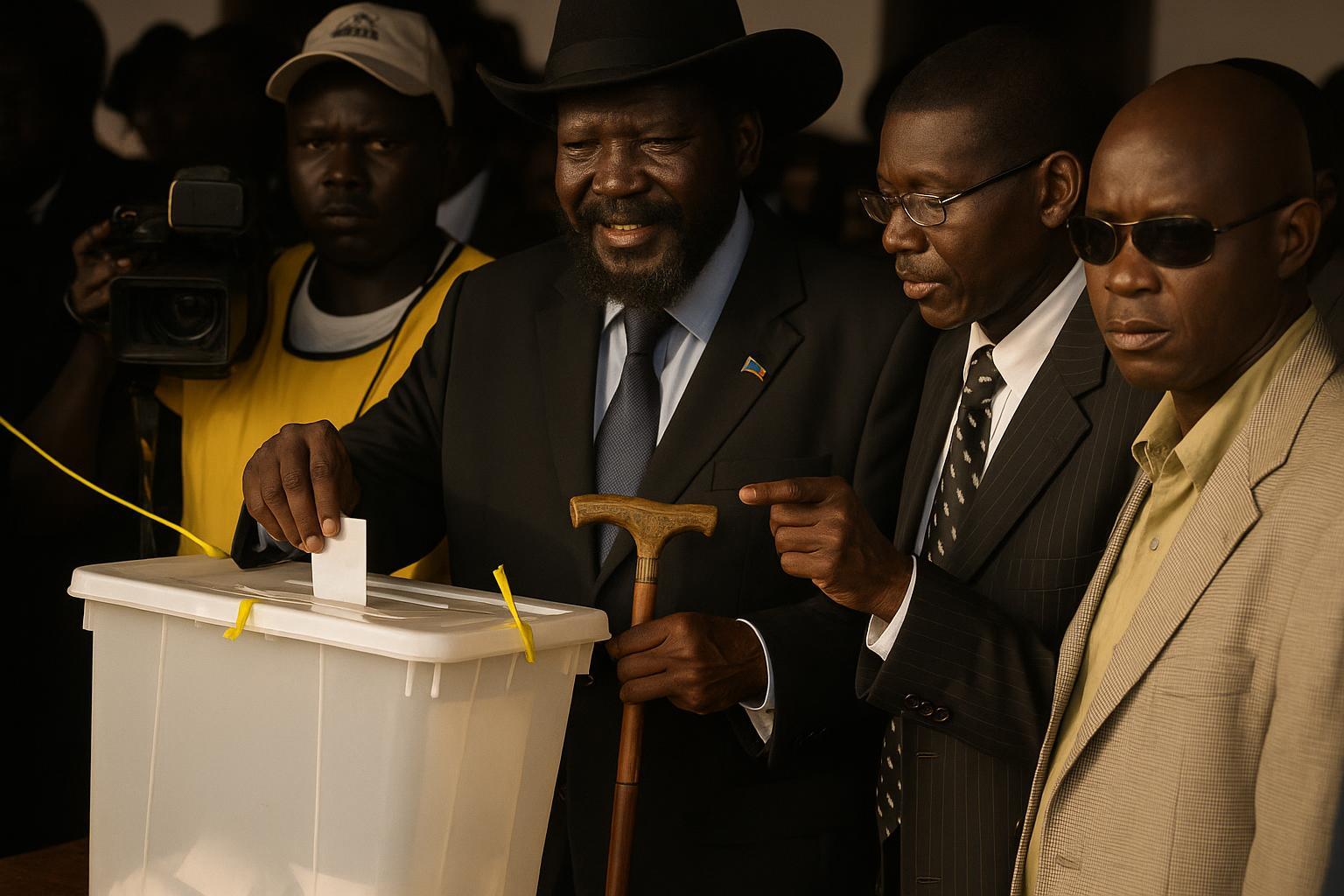
South Sudan Edges Toward 2026 Ballot
For the first time in years, Juba’s transition appears to be moving. By confirming on 10 December that national polls can run under the Transitional Constitution, leaders decoupled elections from unfinished reforms and set December 2026 as a realistic, if tight, political deadline.
Using 2010 Constituencies: A Necessary Compromise
The National Elections Commission opted to recycle the constituencies used in 2010. Electoral law blocks boundary changes inside twelve months of voting, and without a new census no credible map exists, making the legacy districts the only legally sound alternative.
Still, reverting to 2010 sizes would shrink the current assembly and fails to mirror fifteen years of demographic shifts. Authorities call the measure strictly transitional, pledging broader reforms after the ballot to avoid freezing outdated geography into the national psyche.
Displacement Complicates Voter Eligibility
Displacement complicates the most basic question: where may citizens vote? Millions born in exile, living in camps, or resettled far from ancestral counties demand flexible registration rules. Unless mobility is acknowledged, exclusion and dispute will overshadow any tally.
Legal, Technical and Financial Bottlenecks
Technicians warn that timelines will evaporate without rapid cash. Voter rolls, logistics, training and security all hinge on early financing, while parliament must still align the Elections Act with the constitution. Delay on either front risks reviving the cycle of extensions.
Inclusivity and Peace Deal Credibility
Political inclusivity remains pivotal. The SPLM-IO, bruised by the trial of First Vice-President Riek Machar, seeks guarantees that the vote will be fair. Observers argue the peace accord must retain its legal weight to prevent selective readings that could reignite rivalry.
Calibrated International Support
International partners face a calibration test, not a binary choice. Targeted technical aid, transparent funding and security backing can turn the narrow opening into credible polls. Conditionality should measure process integrity rather than re-impose sequencing formulas that already stalled South Sudan’s transition.