

Election Preparations Under Scrutiny
A proposal to excise Articles 8.2 and 8.3 from the Revitalized Agreement on the Resolution of the Conflict in South Sudan has ignited fresh debate on the country’s delicate transition, with activists questioning the timing and intent behind the move.
Government proponents frame the deletion as technical housekeeping that will speed up the December polls, while civil society figures insist the clauses are the backbone of the accord’s enforcement architecture.
Why Articles 8.2 and 8.3 Matter
Both provisions empower the peace deal’s oversight bodies to sanction parties that stall reforms. Observers note that these bodies have kept pressure on elites to form unified security forces and advance a permanent constitution.
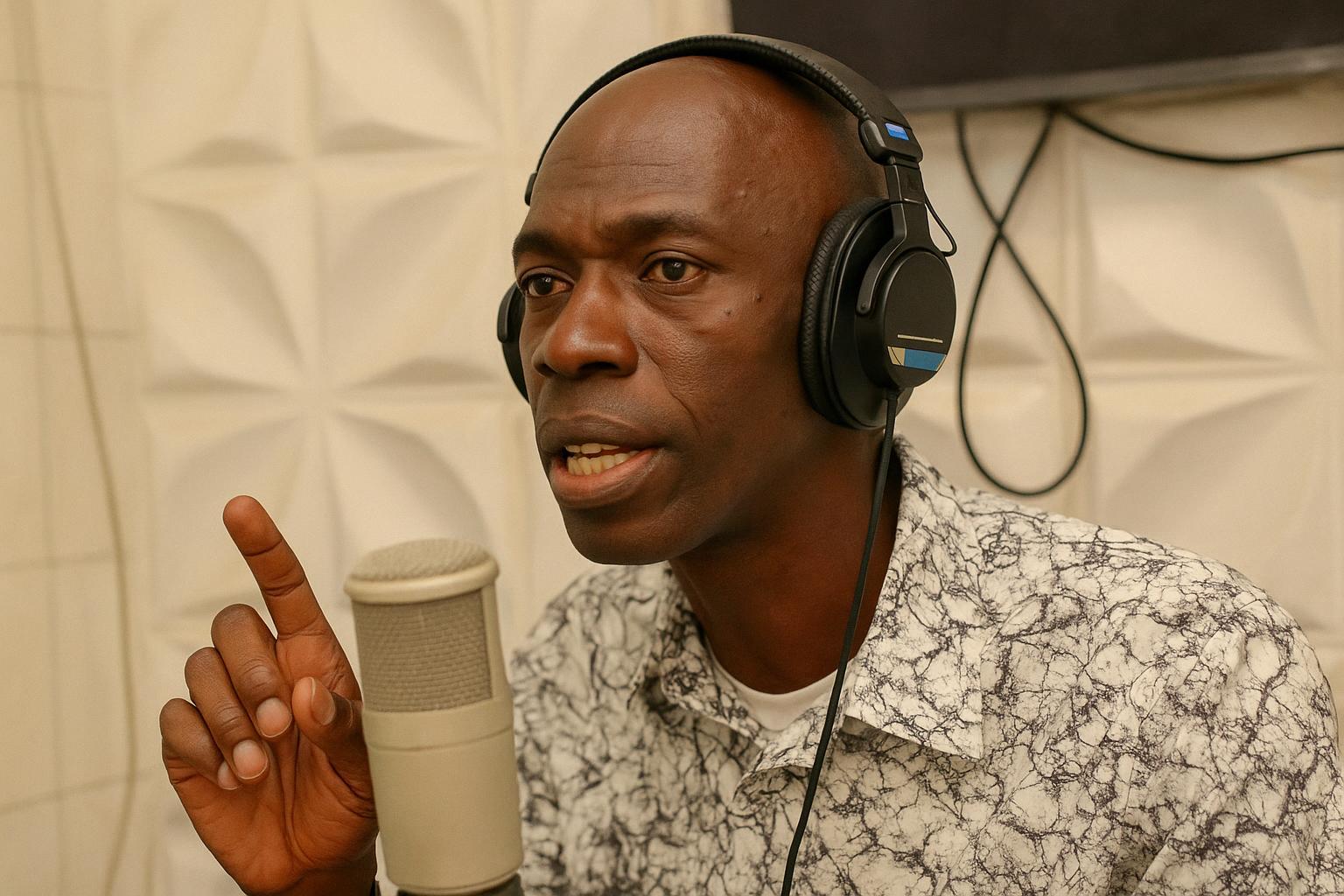
Edmund Yakani, Executive Director of CEPO, warns that removing the articles would ‘strip the agreement of its political and legal legitimacy’ and leave no tool to compel unfinished tasks.
Unfinished Business in the Peace Deal
Security sector reform, economic transparency, transitional justice, and the safe return of displaced citizens remain only partially addressed. Civil monitors fear momentum will fade if enforcement leverage disappears.
Yakani lists the 35 percent women’s representation quota and nascent public finance oversight as fragile wins that could unravel under political pressure once the clauses are gone.
Government and Mediator Perspectives
Officials close to Juba argue that election timelines demand leaner legal texts. A senior negotiator, requesting anonymity, claims, ‘We are not weakening the pact; we are clarifying it for the voters.’
Regional guarantors, including IGAD, have yet to take a formal stance. Diplomats acknowledge private concerns that any perceived rollback could chill donor confidence ahead of polling day.
Possible Paths Forward
CEPO urges lawmakers to pass election-specific rules without touching Articles 8.2 and 8.3. The organisation contends that separating electoral logistics from peace enforcement would reassure citizens and investors alike.
Analysts propose a mediated workshop to revisit unresolved benchmarks, thereby showing voters tangible progress while preserving the legal safeguards at the heart of the accord.
Stakes for South Sudan’s Stability
With memories of conflict still raw, any perception of a shrinking peace framework risks fuelling mistrust among armed groups. Yakani cautions that instability ‘is never far when accountability tools are removed.’
Observers underline that a credible vote demands both technical readiness and political consensus. Balancing these imperatives will test the resilience of South Sudan’s leadership in the months ahead.