

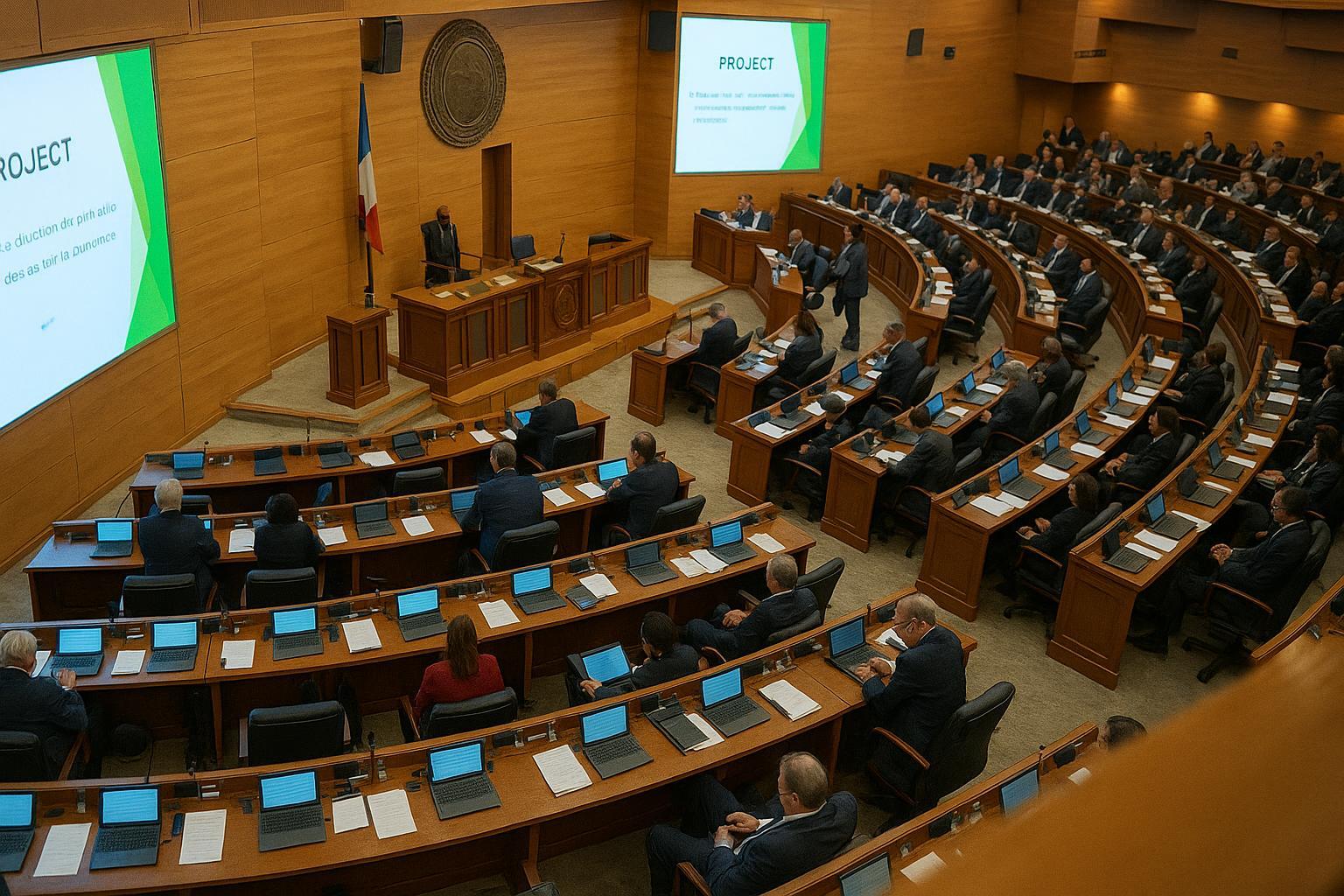
Historic Seat Cut Looms
South Sudan’s political stage is bracing for its sharpest makeover since independence. The National Elections Commission has resolved to resurrect the 2010 electoral map, a move that could trim the national legislature from 332 lawmakers to 204 after the 2026 polls.
Old Constituencies Resurrected
The commission confirmed that voting will rely on the 102 geographical constituencies created for the 2010 election, alongside an equal number of proportional-representation slots. Observers say the framework revives a leaner two-hundred-seat chamber last seen before war interrupted constitutional progress.
Legal Timelines Triggered
Section 41 of the amended Elections Act obliges the commission to declare constituencies a year before ballots are cast. Because no new demarcations exist, the countdown started on 22 December 2025, locking authorities into the older map unless parliament amends the law.
Affirmative Action Questions
Advocates note the potential impact on diversity. Women now occupy 35 percent of seats; the 2010 arrangement guaranteed only 25 percent. A recent youth quota of 20 percent also lacks a clear path under the revived framework, raising delicate negotiation points.
Possible Presidential Appointments
Under the 2010 rules the president could not appoint extra legislators. Analysts such as Edmond Yakani argue that if political actors wish to preserve today’s practice of nominations, parliament must legislate a fixed number, perhaps ten, to avoid constitutional uncertainty.
Ripple Effects in States
Shrinking numbers would cascade downward. The Council of States could fall from 100 members to 60, while most state assemblies may halve in size. Contested areas like Ruweng and Greater Pibor, now separate administrations, still sit inside the 2010 delineations, demanding political clarity.
Countdown to Registration
With constituencies confirmed, the commission’s next milestone is nationwide voter registration and education. Yakani reminds stakeholders that the final voter roll must be published by 22 June 2026, six months before polling day, pushing parties and civil groups into an accelerated outreach calendar.
Citizen Preparedness Urged
CEPO’s Election Watch programme has started circulating briefings, framing the seat contraction as part of a lean-government vision rather than a threat. “The implications are real,” Yakani cautions, insisting that early awareness will help communities adapt to new political mathematics.