

Rich Soil, Empty Granaries
Satellite images reveal lush green belts along the Nile, yet supermarkets in Juba import maize from thousands of kilometres away. South Sudan harbours over 30 million hectares of arable land, but only a fraction feeds its 12 million citizens.
Conflict’s Lingering Footprint
Economists link every harvest dip since 2013 to waves of violence that emptied granaries and villages alike. World Food Programme analysts estimate that unrest now threatens the diets of seven in ten South Sudanese.
Farmers who once grew sorghum for markets now plant only what a fleeing family can carry. Investors, wary of roadblocks and looting, redirect capital to safer neighbours, freezing mechanisation plans.
Infrastructure Roadblocks
A trip from Renk County to the nearest cereal depot, barely 250 kilometres, can take three days in the rainy season. Crumbling roads rot cassava before it meets a buyer, while intermittent electricity stifles cold storage and agro-processing.
Unsettled Land, Unsettled Farmers
Customary chiefs issue oral permissions that clash with urban freeholds registered in Juba. Unclear paperwork deters banks from accepting plots as collateral, locking smallholders out of credit and long-term soil improvement.
Climate’s Double Whammy
Drought shrinks cattle corridors one season; flash floods drown sorghum stems the next. Meteorologists record rainfall swings of up to 40 per cent within a decade, forcing farmers to gamble every planting cycle.
Markets and Money
Without reliable warehouses or futures contracts, surplus grain fetches fire-sale prices at harvest and skyrockets six months later. Cooperative networks distribute improved seeds in some counties, yet limited banking presence leaves most producers transacting in cash or barter.
Toward an Agrarian Reset
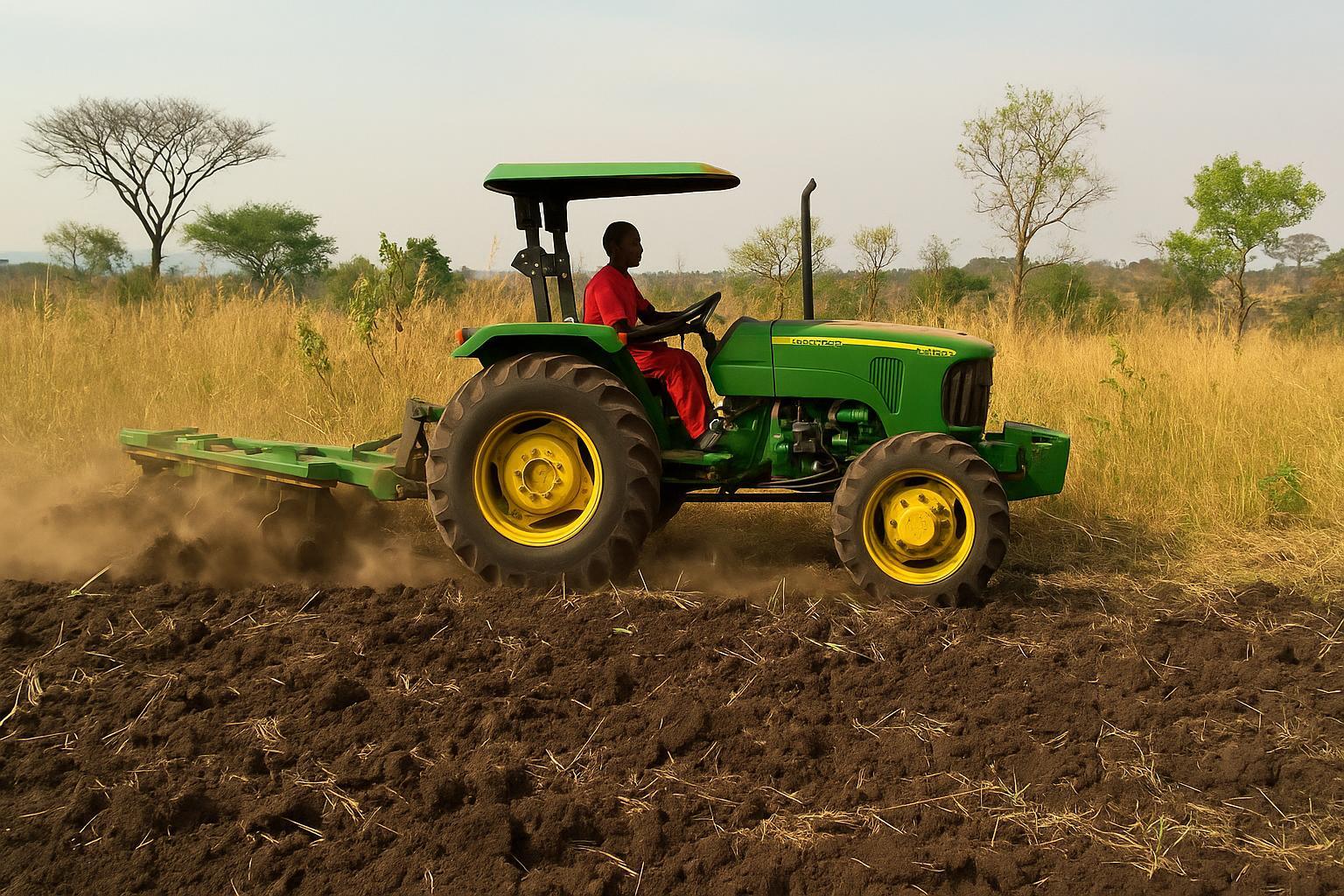
Officials in Juba outline a national agricultural investment plan linking peace accords to tractor hire schemes, new feeder roads and a land authority overhaul. Ministry sources say priority corridors could lift maize yields threefold if stability holds and energy grids expand.
Regional experts urge climate-smart packages, citing pilot plots where ridge-furrow mulching doubled water efficiency. They argue that diversified revenue, not oil dependence, will anchor lasting food security.