

Norwegian Funding Boosts Emergency Supplies
The World Food Programme has secured 128.6 million Norwegian kroner, equal to about US$12.5 million, from Oslo. WFP officials say the cash injection arrives at a critical juncture, with warehouses rapidly depleting as the lean season approaches.
“Food security underpins peace and recovery,” reminded Mary-Ellen McGroarty, WFP country director, praising Norway for “standing with South Sudan’s most vulnerable” amid escalating costs and access constraints. Ambassador Roar Haugsdal echoed the pledge, describing the gift as an investment in stability.
Alarming Outlook for 2026 Lean Season
The latest Integrated Food Security Phase Classification foresees 7.56 million South Sudanese sliding into crisis or worse between April and July 2026, more than half the population.
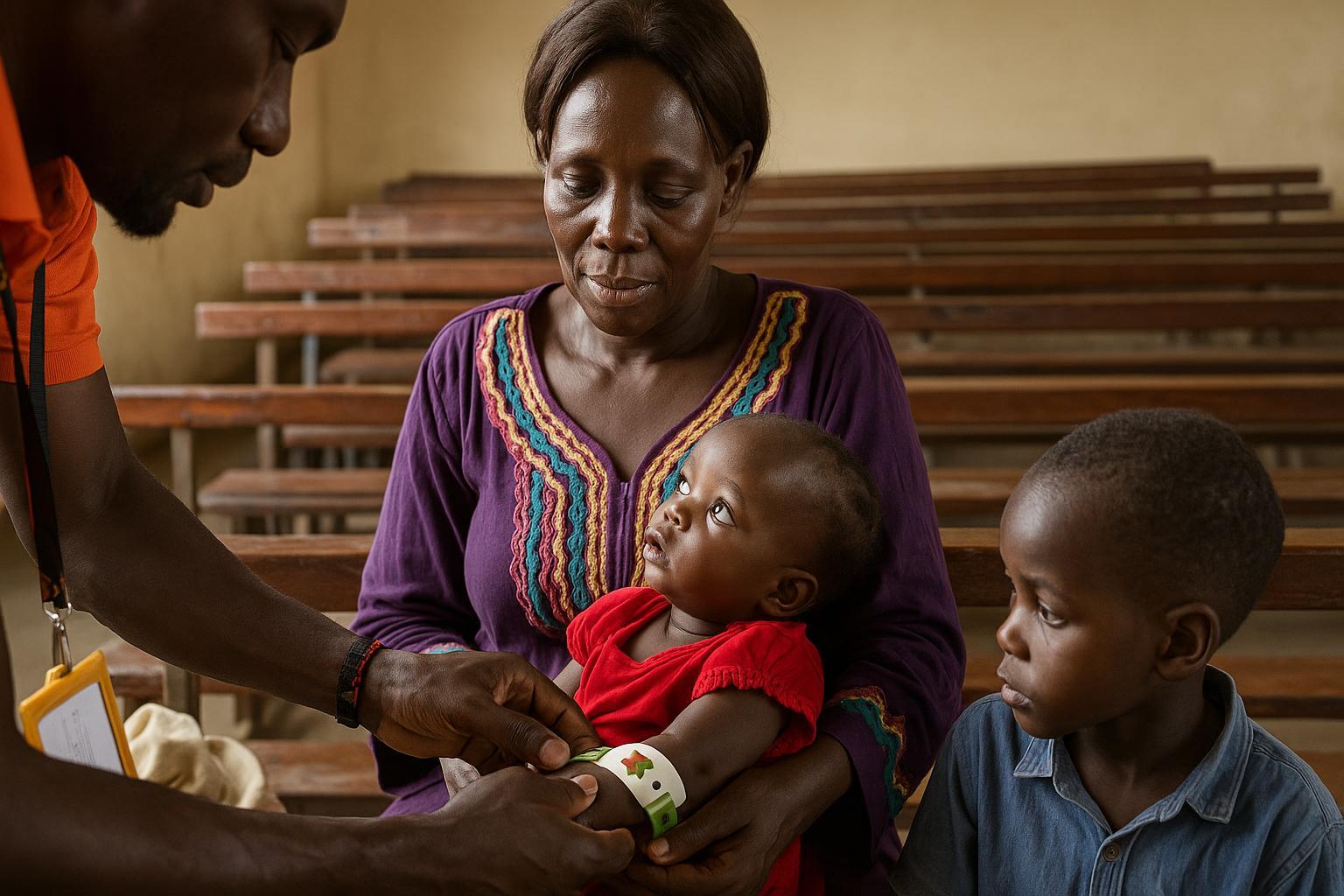
WFP analysts also warn that 2.1 million children and over 1 million pregnant or breastfeeding women could suffer acute malnutrition unless support scales up.
From Food Baskets to Resilience Projects
While a portion of Norway’s grant will fill immediate ration gaps, another slice targets smallholder farmers through seed packages, storage training and market linkages, aiming to reduce future dependence on aid.
Funding also safeguards the home-grown school feeding programme that purchases local produce for pupils’ lunches, a model WFP says strengthens classrooms and rural incomes simultaneously.
Keeping Aid Corridors Open
Beyond food, the contribution underwrites United Nations Humanitarian Air Service flights and river convoys, lifelines for communities cut off by floods or insecurity during the rainy months.
Logisticians argue that consistent aviation and storage funding prevents costly pauses each year, protecting both donor investments and lives on the ground.
Regional Stakeholders Welcome Renewed Attention
Analysts in Juba note that Norway’s move may encourage other bilateral partners to unlock delayed pledges as global crises compete for headlines.
Civil society leaders stress, however, that humanitarian corridors need political as well as financial backing to reach remote counties battered by flooding and sporadic clashes.