

Annual Review Highlights 2025 Gains
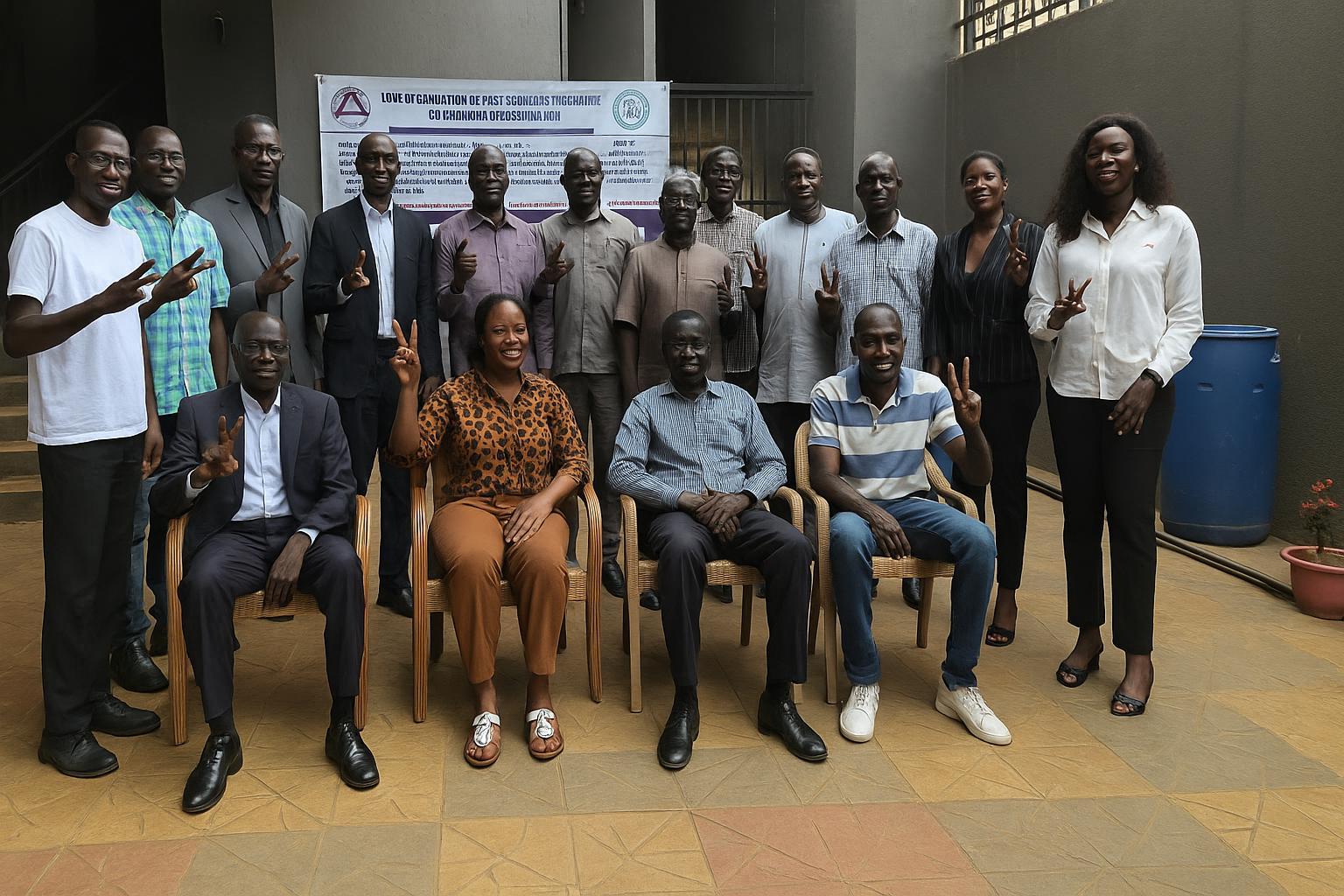
In Juba, the Civic Engagement and Peacebuilding Initiative Consortium gathered scores of civil-society leaders, partners and officials to reflect on 2025 achievements and agree on priorities that could steady South Sudan’s fragile journey toward stability.
The single-day forum carried the theme Unity in Diversity: Empowering Communities for Lasting Peace, a deliberate nod to the country’s mosaic of ethnicities and the urgent need for inclusive governance after years of unrest.
Grassroots Clubs and Committees Grow
Operations Manager Daniel Matiop Ngang reported that 15 peace clubs now operate in Jonglei and Central Equatoria, exposing more than 800 young residents to dialogue sessions, civic lessons and conflict-prevention skits.
Eight community peace committees, backed by the consortium, defused at least 14 local disputes, reinforcing the idea that home-grown mechanisms often respond faster than distant interventions.
Radio talk-shows and a widely viewed July drama amplified those efforts, allowing youth voices to dominate airwaves that too often carry stories of violence.
New Strategic Plan 2026-2030
Delegates unanimously endorsed a forward-looking blueprint that prioritises civic engagement, access to justice, psychosocial support and the prevention of election-related violence over the next five years.
Matiop framed the document as a compass, stating, “There can be no development where there is conflict; our task is to keep dialogue alive until peace feels normal.”
Local Fund Answers Donor Fatigue
With international grants shrinking, CEPIC introduced the Peace Initiative Fund, a pooled resource designed to finance member projects without waiting for distant pledges.
“Peacebuilding is underfunded, yet the need is growing,” Matiop warned, arguing that South Sudanese communities must not pause reconciliation because of external market cycles.
Government Backs Stronger Coordination
Bol Diu Gok, a director at the Ministry of Peacebuilding, praised the consortium and urged formal Memorandums of Understanding to align civil and state programs.
He promised that line ministries would guarantee a safe operational space once organisations complete registration with the Relief and Rehabilitation Commission.
Challenges and Next Steps
Security hotspots and budget shortfalls prevented the planned rollout of 200 clubs, a reminder that ambition often outruns resources in post-conflict settings.
Still, participants ended the session with a pledge to pool local resources, expand media outreach and keep youth at the centre of peace conversations ahead of anticipated elections.