

Force Unification at the Core
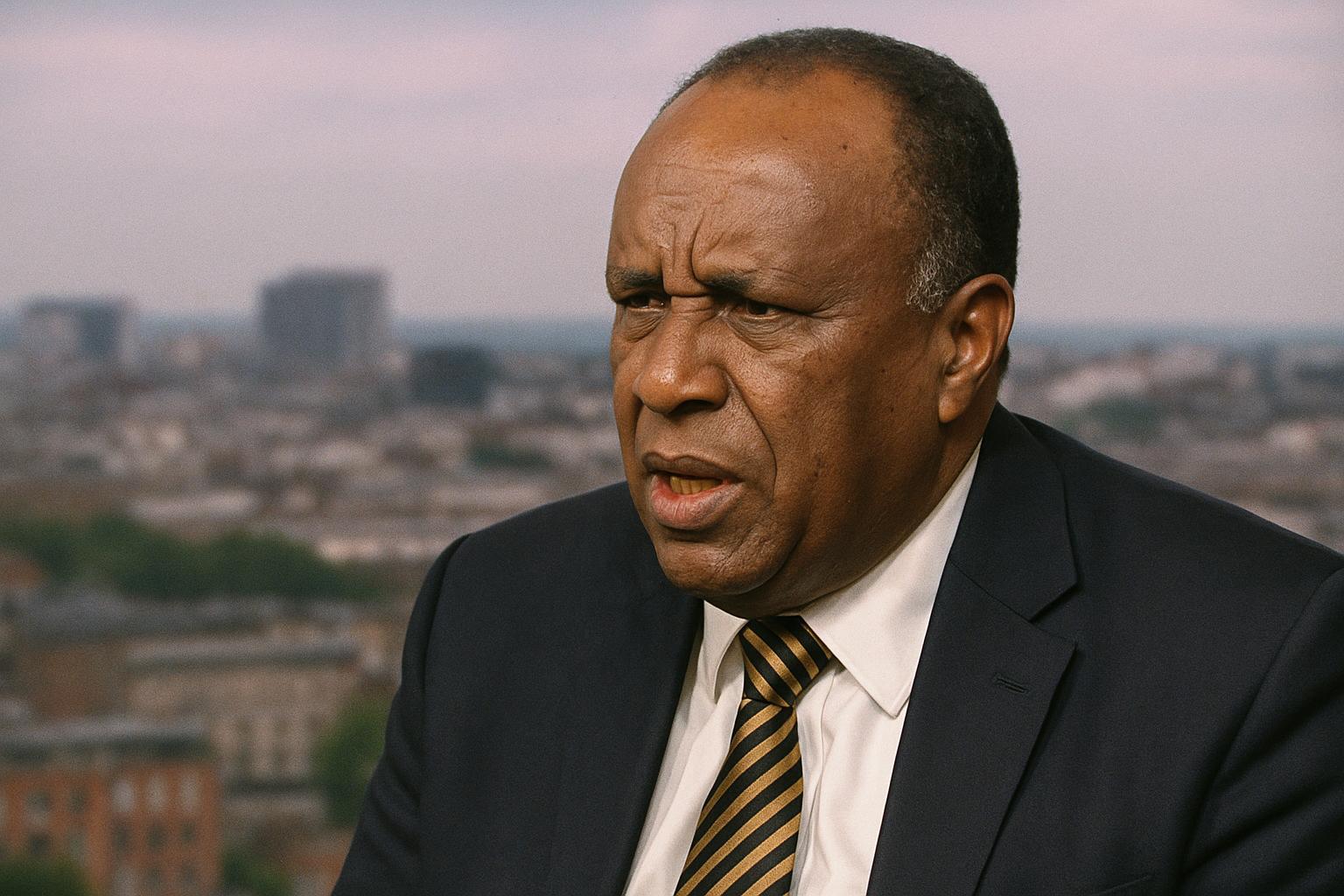
Speaking after a meeting with Cabinet Affairs Minister Dr. Martin Elia Lomuro in Juba, Reconstituted Joint Monitoring and Evaluation Commission chief of staff Ambassador Berhanu Kebede reiterated that merging rival military formations remains “the backbone of a credible electoral process” (Eye Radio).
RJMEC believes the 2026 roadmap only becomes realistic once the Necessary Unified Forces are fully trained, deployed and salaried under a single command, extinguishing parallel chains that triggered past clashes and displaced thousands.
Constitutional Tweaks Under Review
Beyond barracks, negotiators are rewriting the National Transitional Constitution to align it with timelines endorsed by the Presidency and to incorporate revisions from the 2018 Revitalised Peace Agreement, a task observers describe as delicate but unavoidable.
Officials say the draft will clarify the competence of transitional bodies, spell out election management roles and formalise security reforms, reducing legal grey zones that warlords once exploited to stall disarmament efforts.
Inclusivity as Legitimacy Pillar
While applauding the resumption of political dialogue, Kebede warned that closed-door bargains risk eroding public trust. “Everybody must be on board and part and parcel of this decision,” he told reporters, urging parties to invite women, youth and displaced communities.
Civil society groups echo the call, arguing that broad participation will grant the future constitution moral authority and minimise post-vote contestations that have marred previous transitions in the region.
Funding and Oversight Challenges
Financing remains a sticking point. Kebede said election institutions will “receive the necessary support”, yet diplomats caution that delayed donor inflows or oil-price volatility could squeeze Juba’s budget, undermining training schedules and voter registration logistics.
RJMEC has promised rigorous oversight, vowing to publish monthly dashboards tracking troop integration, legal milestones and disbursements, a transparency push observers say may reassure sceptical citizens ahead of South Sudan’s first national ballot since independence.