

Tambura Violence Drives Mass Flight
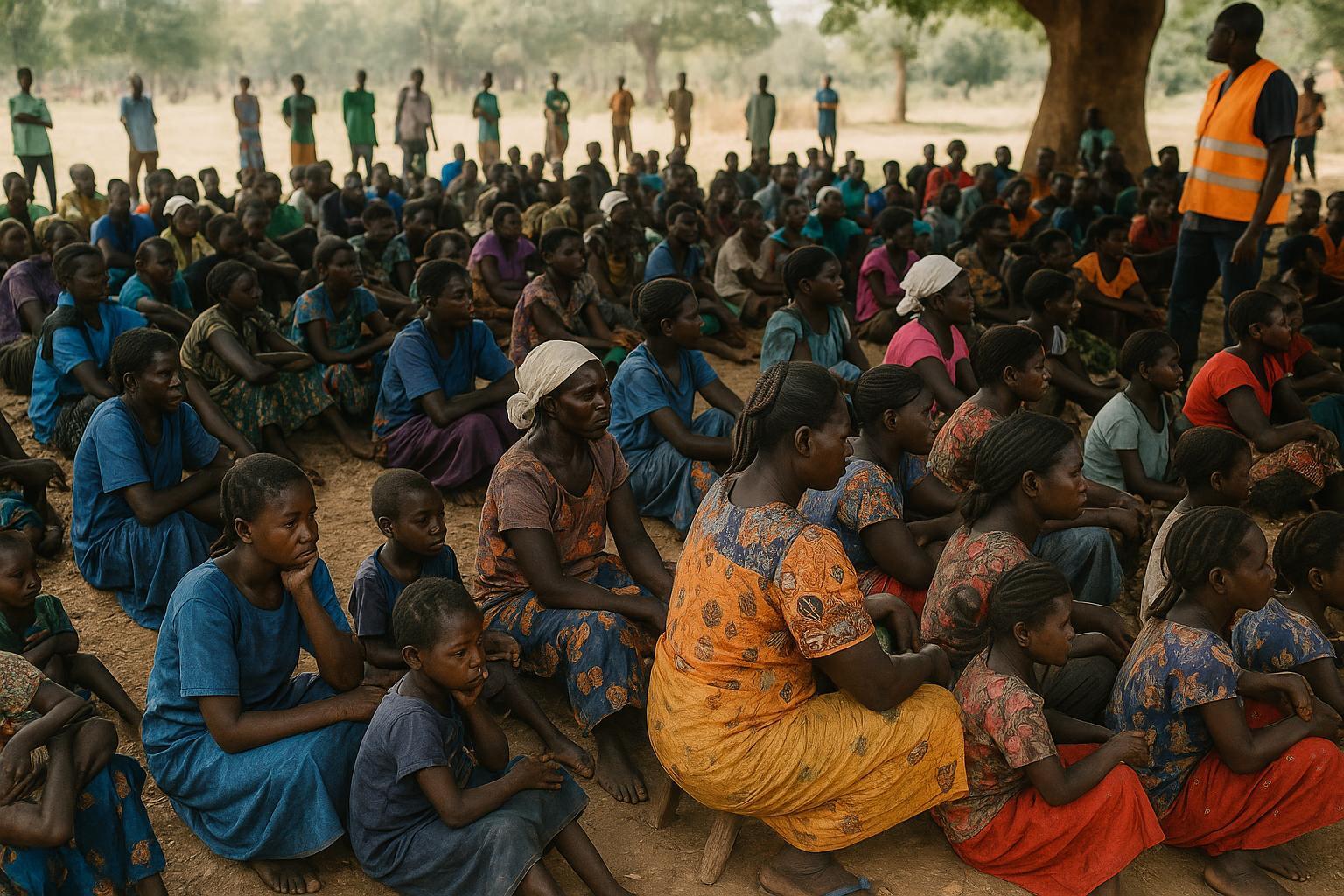
Western Equatoria State is once again absorbing a surge of civilians after fresh clashes in neighboring Tambura forced roughly 52,000 residents to trek south-west into Ezo County over the past month, local officials confirm.
Four Camps Strain Ezo’s Resources
Commissioner Abel Sudan reports that the arrivals have been split across four improvised camps in Ezo’s sub-payams, a decision meant to ease pressure on host communities already coping with limited water, health services and schooling.
Makeshift shelters spread quickly across farmland and church yards, turning quiet villages into dense settlements where tarpaulin, bamboo and red soil form a fragile shield against the early rains.
Limited Aid Reaches the Most Vulnerable
Relief arrived for only a fraction of families, mainly basic food and hygiene kits delivered by the Relief and Rehabilitation Commission with support from faith groups.
“Those who received assistance, their life improved, but many still wait,” Sudan told Eye Radio, urging agencies to intensify distributions and extend trauma-healing and gender-based violence programmes.
Trauma Healing Becomes a Priority
Survivors recount night assaults, ambushes along the Tambura-Nagero road and prolonged hiding in the bush, experiences humanitarian psychologists warn can seed long-term mental health crises if left unaddressed.
Local clergy and youth volunteers have opened informal counselling circles, yet professional services remain scarce in a county with one practicing psychiatrist for nearly 250,000 residents, health officials say.
Regional Stability at Stake
Conflict in Tambura, which the UN says killed more than 400 people since 2021, threatens to spill into other border counties unless reconciliation gains traction and livelihoods are restored.
Diplomats warn that Western Equatoria’s fertile trade corridors could falter, while analysts argue timely humanitarian investment in Ezo may also act as a buffer against further displacement.