

Tonj East Visit Signals Warrap State Peace Drive
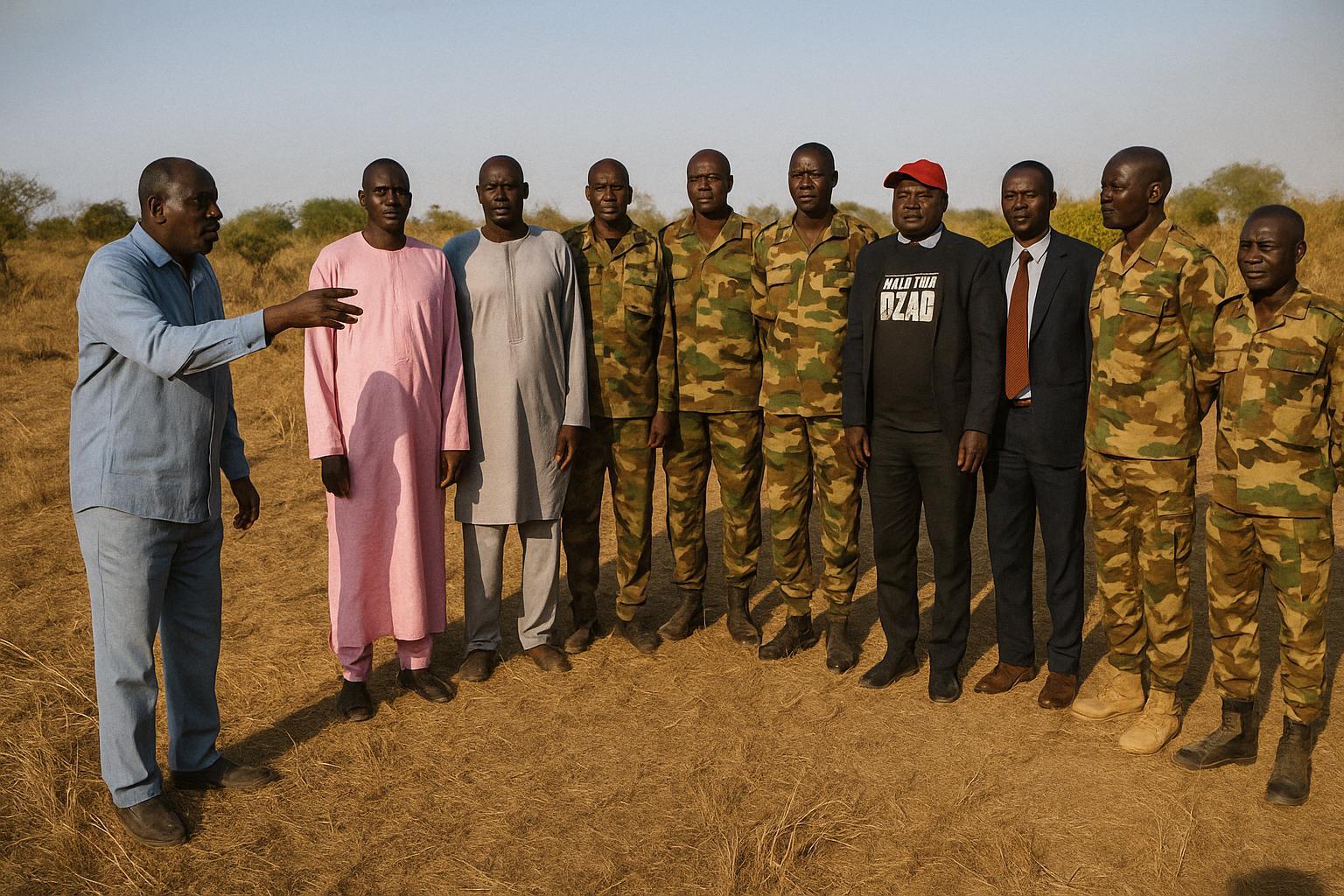
A senior Warrap State delegation travelled across dusty tracks to Tonj East last Saturday, signaling a renewed governmental push to anchor peace, security and tangible development in this historically restive corner of South Sudan.
Led by Security Advisor John Mayiik Bath, Cabinet Affairs Minister Safarino Phillip Bazia and Lieutenant General Garang Mabil Deng, the mission blended political heft and military credibility to reassure citizens of steadfast support from Kuajok.
Wunlit Accord’s Legacy Resonates in Tonj East
In Wunlit Payam the visitors paused at the monument to the groundbreaking 1999 Wunlit Peace Conference, praising elders who ‘turned spears into walking sticks’, according to Bath, and urging residents to keep dialogue alive amid sporadic cattle-related flare-ups.
Speeches were followed by traditional dances, an intentional blend of ritual and politics that, officials argued, cements reconciliation more effectively than written communiqués.
Security Talks and Youth Projects in Warrap State
At Mayen-Ador, chiefs, youth groups and women’s associations presented security updates, highlighting relative calm but requesting more policing along seasonal migration routes.
Minister Bazia encouraged young entrepreneurs to scale small agro-processing schemes, promising facilitation of microcredit as ‘peace’s economic dividend’.
Community Reaction and Next Steps for Peace
Commissioner Machuei Diing applauded the outreach, stating Tonj East ‘remains on the path charted in 1999’ and will cooperate with state forces to deter revenge attacks.
Observers note that sustained follow-up visits, coupled with visible service delivery, will determine whether Saturday’s symbolism translates into lasting security gains across Warrap’s counties.
Academics at the University of Juba argue that the Wunlit model, stressing grassroots ownership, could inform national peace architecture now being drafted in the capital.