

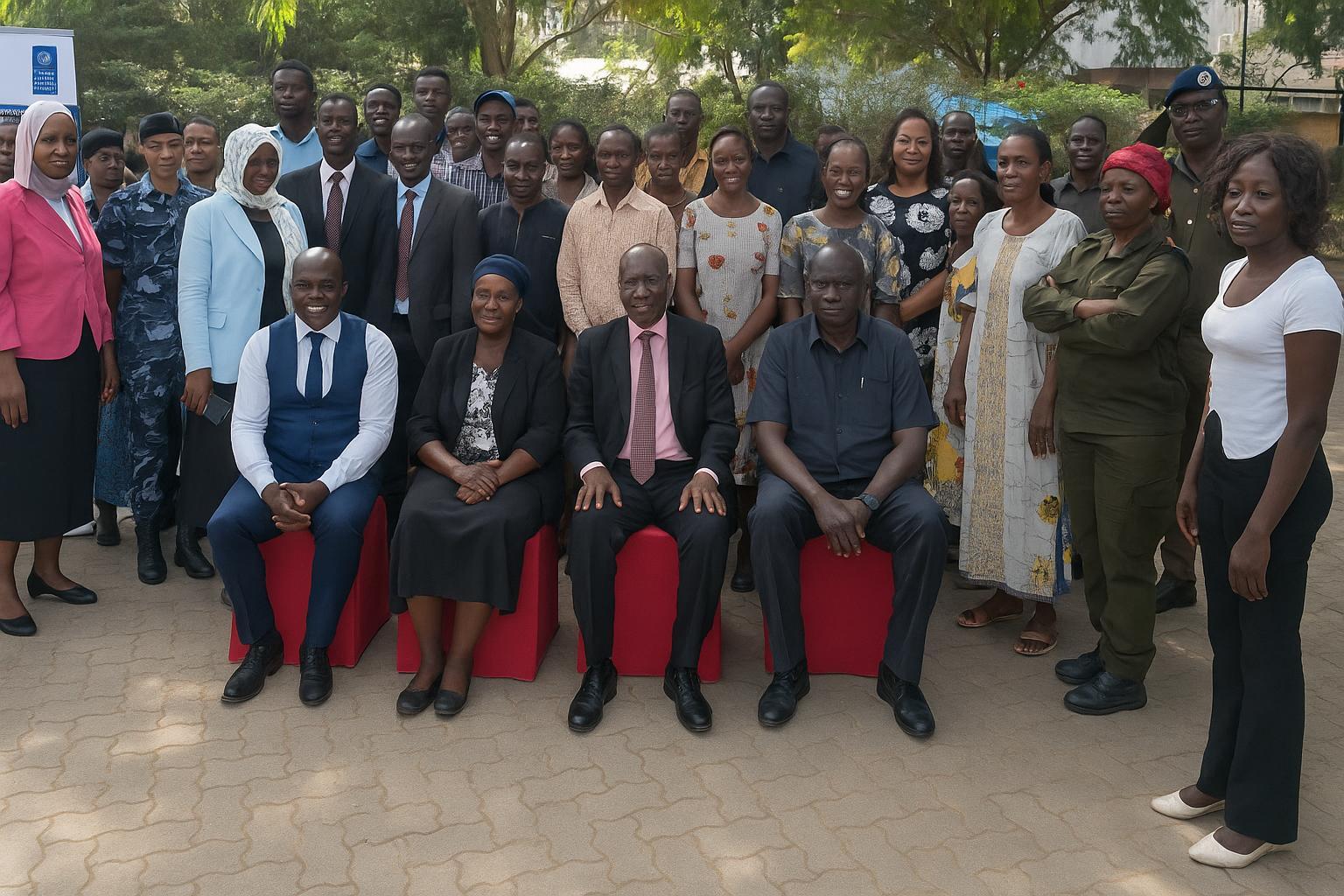
Validation Workshop in Juba
At Landmark Hotel in Juba, lawmakers, civil society and international partners gathered for a two-day validation workshop to fine-tune inputs for South Sudan’s permanent constitution. Organisers framed the meeting as a milestone toward stronger state legitimacy after years of transition.
Acting Assembly Speaker Isaac Aloro Lomodi told participants the drafting exercise is “an opportunity to rebuild trust between citizens and the government, strengthen democracy, and redefine the social contract,” stressing transparent debate over closed-door bargaining.
Grassroots Voices Take Center Stage
Support Peace Initiative Development Organization, led by Executive Director Wodcan Saviour Lazarus, presented a plan for door-to-door consultations across counties. “We are committed to ensuring your opinions reach the National Constitution Review Commission,” Lazarus said, vowing a people-authored charter for future generations.
Lomodi urged facilitators to prioritise remote villages where insecurity and poor roads often silence opinion. Analysts note that incorporating rural grievances on land, cattle routes and basic services could anchor the document in daily realities rather than elite agendas.
Institutional Backing and Safeguards
The United Nations Development Programme funds the initiative through its access to justice, security and human rights programme, providing technical advisors and translation support. UN officials argue that credible public participation now reduces the risk of contested clauses later.
Pio Lado Kulang of the State Ministry of Parliamentary and Legal Affairs reminded delegates that constitutions both bestow rights and define duties. He called for “serious, active” engagement so the final text commands broad acceptance and guides orderly elections.
Next Steps on the Road to Ratification
After county dialogues conclude, SPIDO will compile submissions for the National Constitution Review Commission, expected to deliver a draft to parliament in 2026. Lawmakers say the timeline remains realistic if security holds and donor funding continues.
Observers caution that translating popular aspirations into enforceable clauses will test political will. Yet Thursday’s room echoed with cautious optimism that an inclusive constitution can lay foundations for lasting peace and economic renewal.