

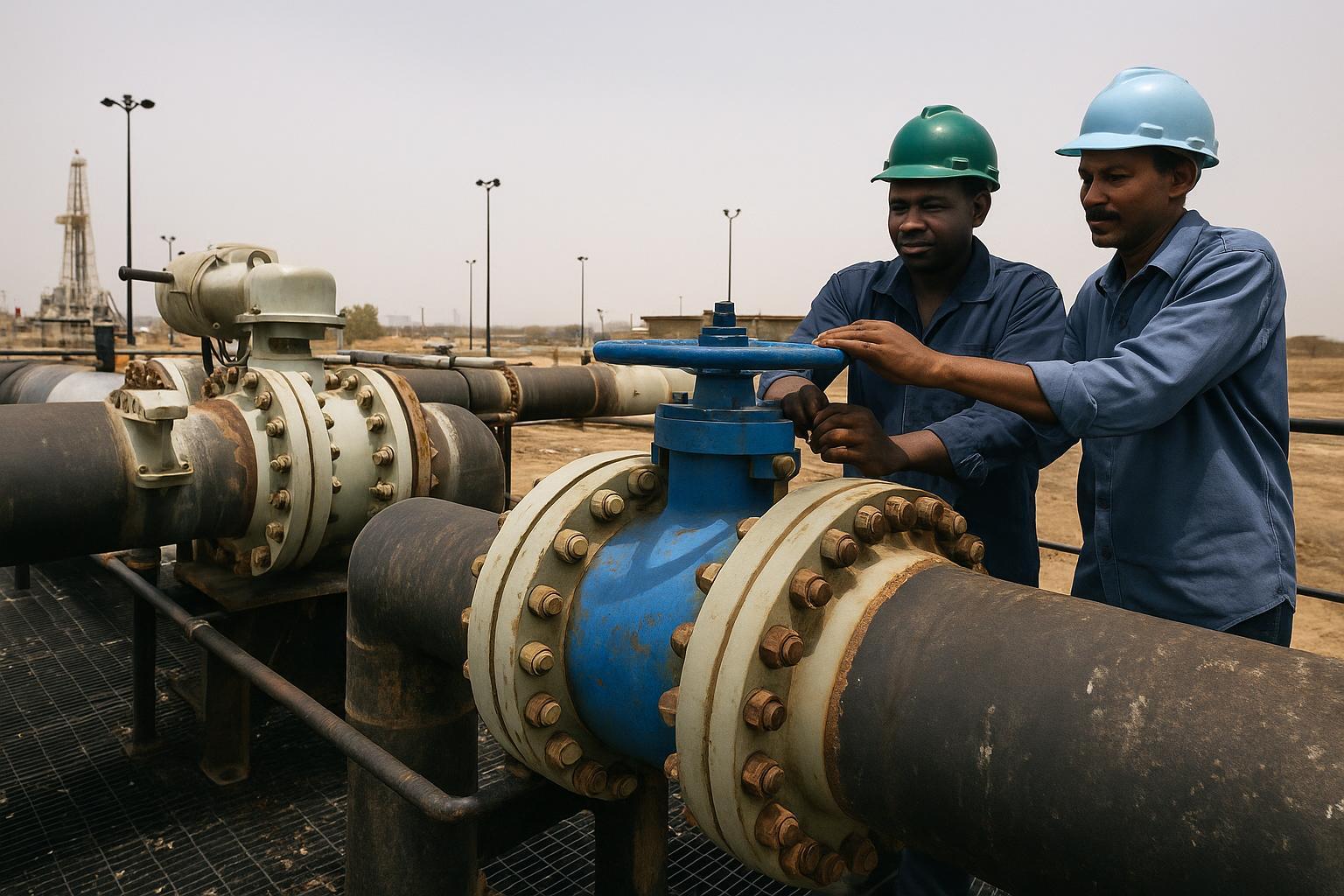
Heglig Oil Heartland Seized by RSF
Workers fled across the border on Monday after Sudan’s Rapid Support Forces advanced into the Heglig oil field, the country’s largest hydrocarbon hub, according to an engineer who witnessed the takeover. The site handles most of South Sudan’s crude before it reaches Port Sudan.
Production Halt and Worker Exodus
Production and processing stopped within hours, crippling a facility that channels nearly all of Juba’s budget revenue. Evacuees said pumps were shut, electricity cut and storage tanks left under skeleton security provided by RSF fighters who promised ‘full protection’ to remaining technicians.
Paramilitary’s Justification and Truce Claim
In a statement, the paramilitary leadership framed the move as the ‘liberation of national wealth’ after what it called the army’s retreat of ‘terrorist remnants.’ The group reaffirmed its unilateral humanitarian truce but insisted it would retaliate against any artillery or drone attacks.
Silence from Khartoum Authorities
By late Monday evening, neither Sudan’s armed forces nor the Energy Ministry had issued statements on the loss of Heglig. Analysts in Khartoum suggested commanders may prioritise defending remaining northern fields while consolidating supply lines toward El Obeid and the Red Sea coast.
South Sudan Budget at Stake
South Sudan’s Petroleum Ministry signalled concern, noting that pipeline flows through Heglig underpin 90 percent of government earnings. Officials in Juba feared prolonged disruption could trigger currency volatility, delay public salaries and complicate ongoing talks with creditors and humanitarian partners.
Expanding Battleground Map
Since April 2023, fighting between the army and RSF has divided Sudan’s territory, with the north, east and centre under military control, while Darfur and swathes of the south fall to the paramilitary. Heglig’s capture extends that arc, edging RSF positions closer to Khartoum.
Humanitarian Toll Deepens
Local medics reported dozens of casualties from last week’s drone strike that hit a kindergarten and hospital in Kordofan. The United Nations estimates twelve million people are displaced nationwide, compounding infrastructure damage and straining already limited aid corridors.