

Shrinking Candidate Numbers in Pibor
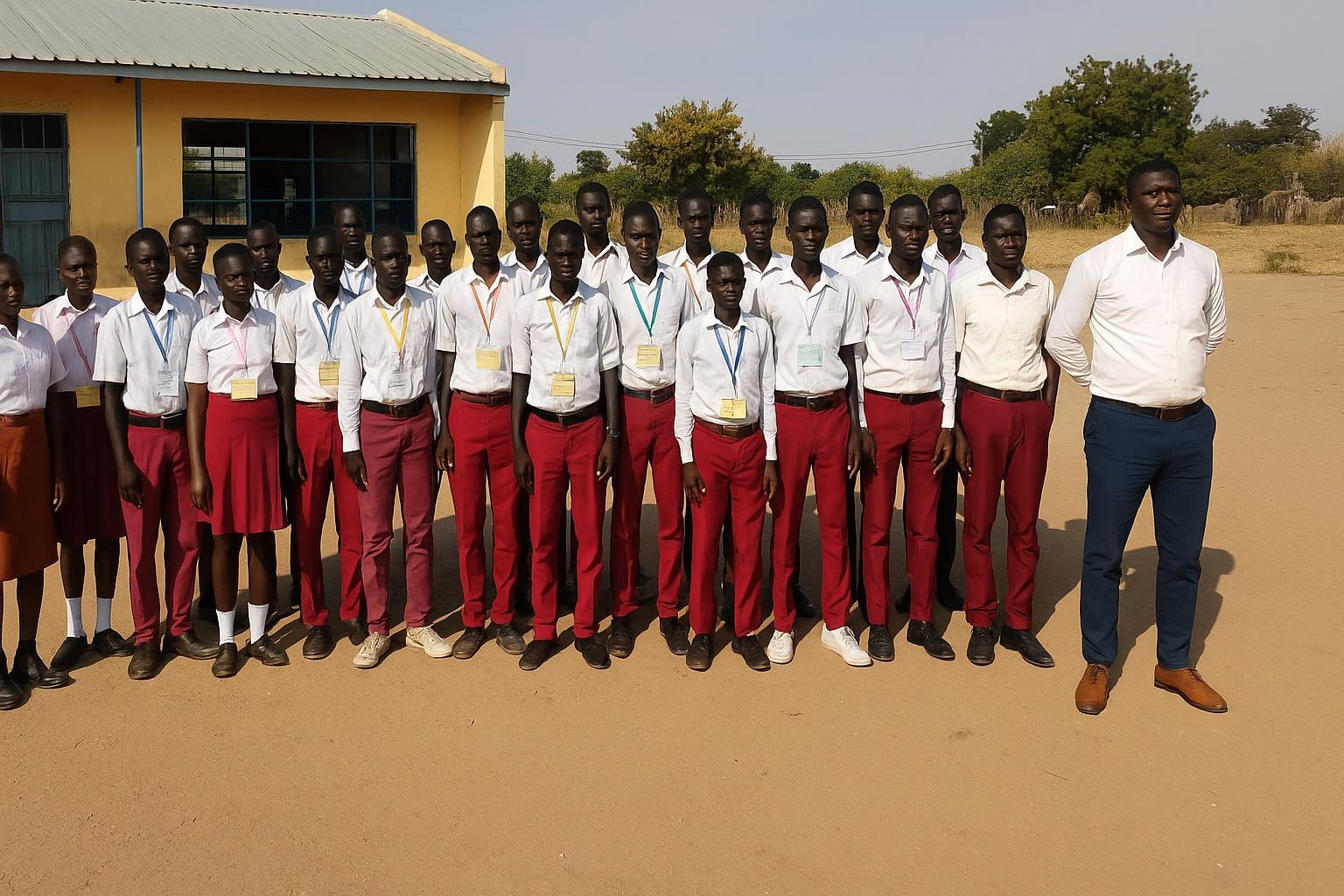
In Pibor town, silence replaced the usual exam-day bustle as only 47 candidates—44 boys and three girls—walked into classrooms for the 2025 South Sudan Certificate of Secondary Education.
Local education officials say the number is among the lowest recorded since Greater Pibor Administrative Area gained self-governing status, sparking fears for the region’s fragile education gains.
Root Causes: Teachers, Security, Traditions
Minister of General Education Butrosus Ochalla calls the turnout “deeply worrying,” linking it to a cocktail of insecurity, teacher shortages and cultural pressures that pull adolescents from classrooms to cattle camps.
He notes that most instructors volunteer without pay, hampering lesson delivery and leaving learners unprepared for national assessments.
Girls at Risk of Early Marriage
Only three girls sat this year’s papers, a figure Ochalla ties to early and forced marriages that can trade a 14-year-old’s future for forty head of cattle.
Activists in Pibor warn that each classroom desk vacated by a teenage bride widens the gender gap and weakens efforts to build inclusive, peaceful communities.
Community Outreach and Hopes for 2026
The ministry has turned to Pibor FM, broadcasting messages urging parents to keep children, especially daughters, in school and assuring clans that education can enhance livelihoods.
Ochalla says teachers are being registered for possible remuneration, a move he believes will stabilize classrooms and boost next year’s enrollment.
“If the community supports us, 2026 will look different,” he predicts, underscoring that even a modest rise in candidates could signal renewed confidence in South Sudan’s most remote classrooms.