

South Sudan Athletics Targets Regional Reach
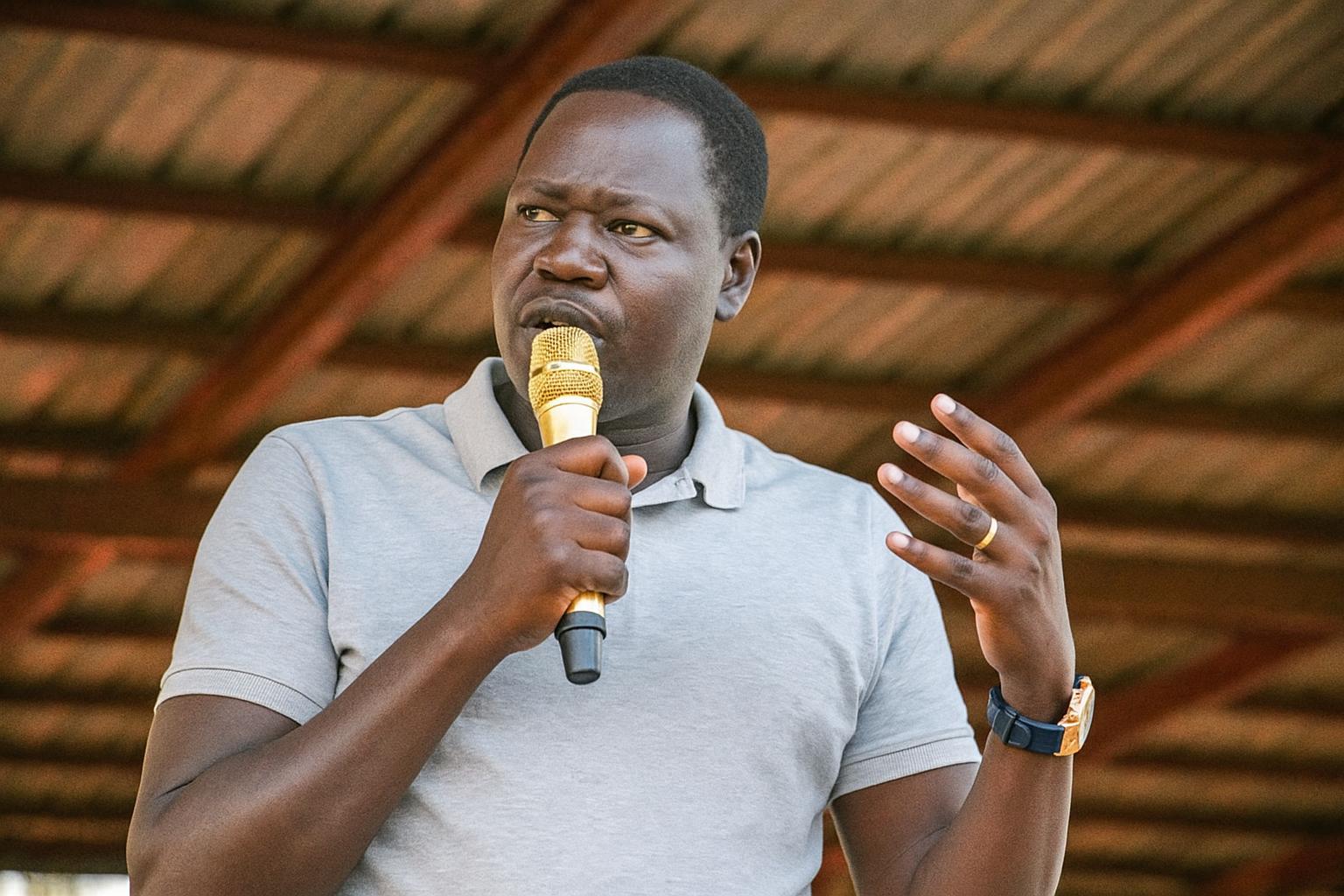
In Juba, South Sudan Athletics Federation President Majok Ayii outlined an expansive plan to widen the nation’s track footprint across Africa and beyond, citing fresh record times at the third republican championship as proof that domestic talent is “ready for the next stage” (Ayii).
Inside the Training Camp Blueprint
According to the blueprint, new camps will open in Juba, Wau and Malakal, while regional bases are slated for Eldoret in Kenya and Kapchorwa in Uganda, renowned altitude hubs that have produced Olympic medallists.
Ayii added that selected senior athletes will rotate through overseas stints in Japan’s Gifu Prefecture and France’s Clermont-Ferrand, environments chosen for cutting-edge sports science and temperate climates that mirror peak competition conditions.
Digitel Deal Fuels Long-Term Ambitions
Financial stability, often the missing link, received a boost as Secretary General Marko Akol finalised a ten-year partnership with telecommunications firm Digitel, securing an annual 10,000-dollar injection for marathons, athlete stipends and facility upgrades (Akol).
Industry observers suggest the long horizon of the deal provides rare predictability in a federation still rebuilding after years of conflict, allowing planners to prioritise maintenance rather than emergency repairs.
Youth Development and Coaching Focus
The record-laden championship served a dual purpose: talent identification. Times of 46 seconds for the 400 metres and 56 seconds over 800 metres now anchor provisional under-20 and under-17 rosters set to receive structured programmes for the first time.
Parallel workshops will certify local coaches, referees and sports administrators, an approach Ayii argues will ensure knowledge remains in all ten states and the three administrative areas once foreign mentors leave.
Regional Context and Forward Outlook
South Sudan’s expansion arrives amid a broader East African sprint renaissance, with neighbouring Kenya investing heavily in the 400 metres, a distance once dominated by the Caribbean.
Analysts caution that political stability and accessible travel corridors will remain decisive variables, yet the federation’s phased strategy and new funding stream position the young nation to convert raw pace into podium finishes over the coming decade.