

Barren Roads, Fragile Lives in Aweil North
The drive to Ariath in Northern Bahr el Ghazal carves across cracked plains that bake under merciless sun or sink into mud after rain. For families, the same treacherous road separates children such as 11-year-old Aher from the insulin keeping them alive.
Insulin: From Vials to Modern Pens
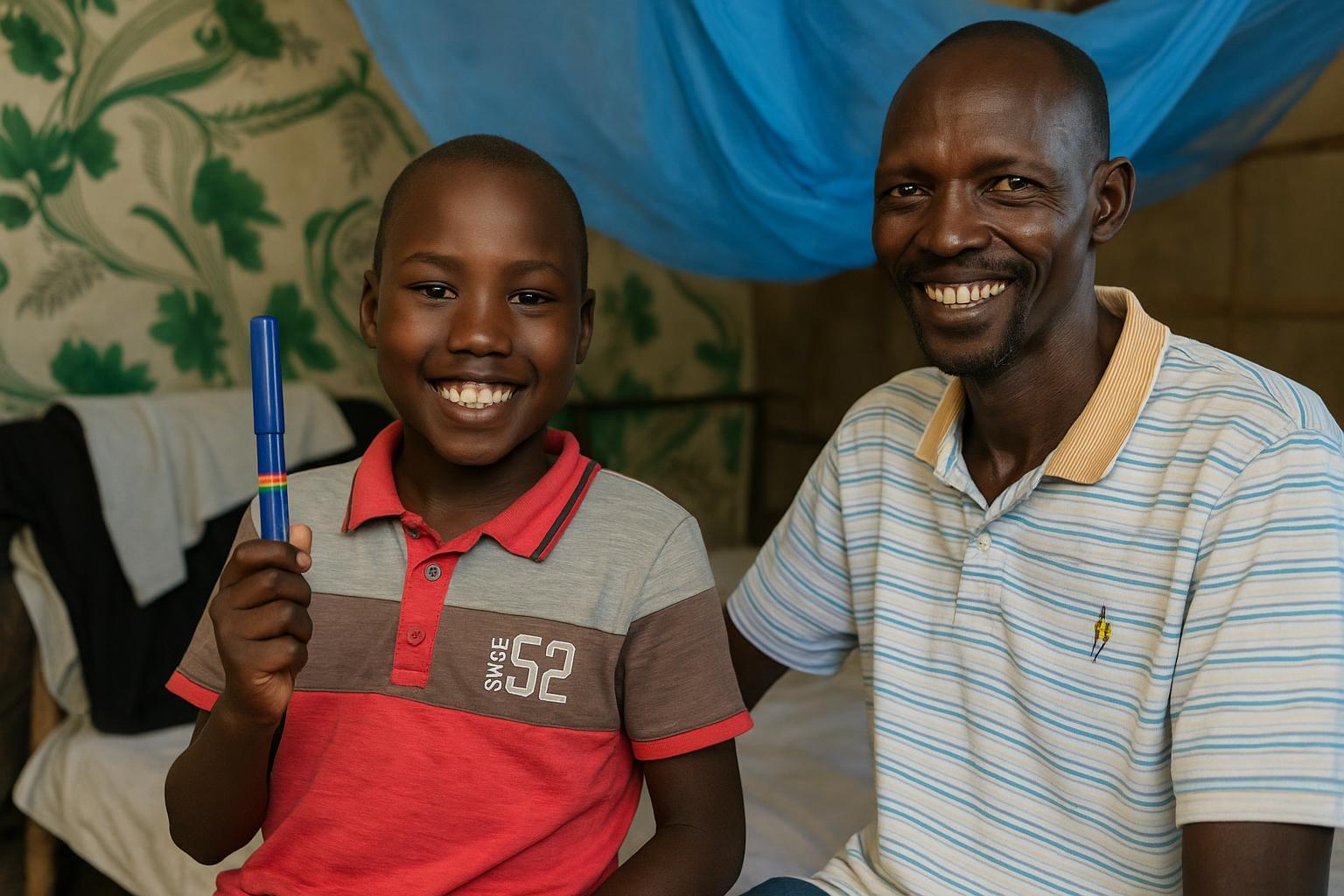
Initially, Aher endured daily injections drawn from glass vials, each dose delivered by a stiff syringe his father cleaned over a charcoal flame. ‘He hated them but we had no choice,’ recalls Lual, who traded sacks of sorghum just to refill the supply.
MSF introduced insulin pens and pocket-sized glucometers in a small pilot early this year. Almost overnight, Aher stopped landing in the intensive care ward. ‘He plays now; he smiles,’ Lual reports, though he worries the delicate pen might break before the next visit.
Economic Barriers to Essential Care
Cost remains an unforgiving gatekeeper. A return trip to the diabetes clinic can exceed 40,000 South Sudanese pounds, more than many harvest in months. During floods, mothers like Rebecca watch roads vanish, forests close and income evaporate, even as insulin stocks fall to zero.
Community Trials Changing Outcomes
Field nurses observe that pens halve hospital readmissions, freeing ICU beds otherwise taken by diabetic ketoacidosis, the state’s second biggest child killer after malnutrition. ‘We see fewer seizures and more classroom days,’ says Dr. Abraham Wol, noting improved accuracy and less fear of needles.
Global Compact, Local Realities
The World Health Organization’s Diabetes Compact pledges universal, affordable insulin by 2030. In Ariath, that promise still rides a muddy highway. Families clutch optimism yet count remaining doses nightly. Until pricing and logistics align, the quiet fight for childhood survival will endure.