

Boma National Park’s Untapped Allure
Boma National Park sprawls across the eastern grasslands of South Sudan, sheltering vast antelope migrations rarely seen elsewhere on the continent.
Decades of conflict isolated the sanctuary, leaving its observation towers, trails, and visitor huts in varying states of disrepair.
Minister Denay Chagor’s Immediate Action Plan
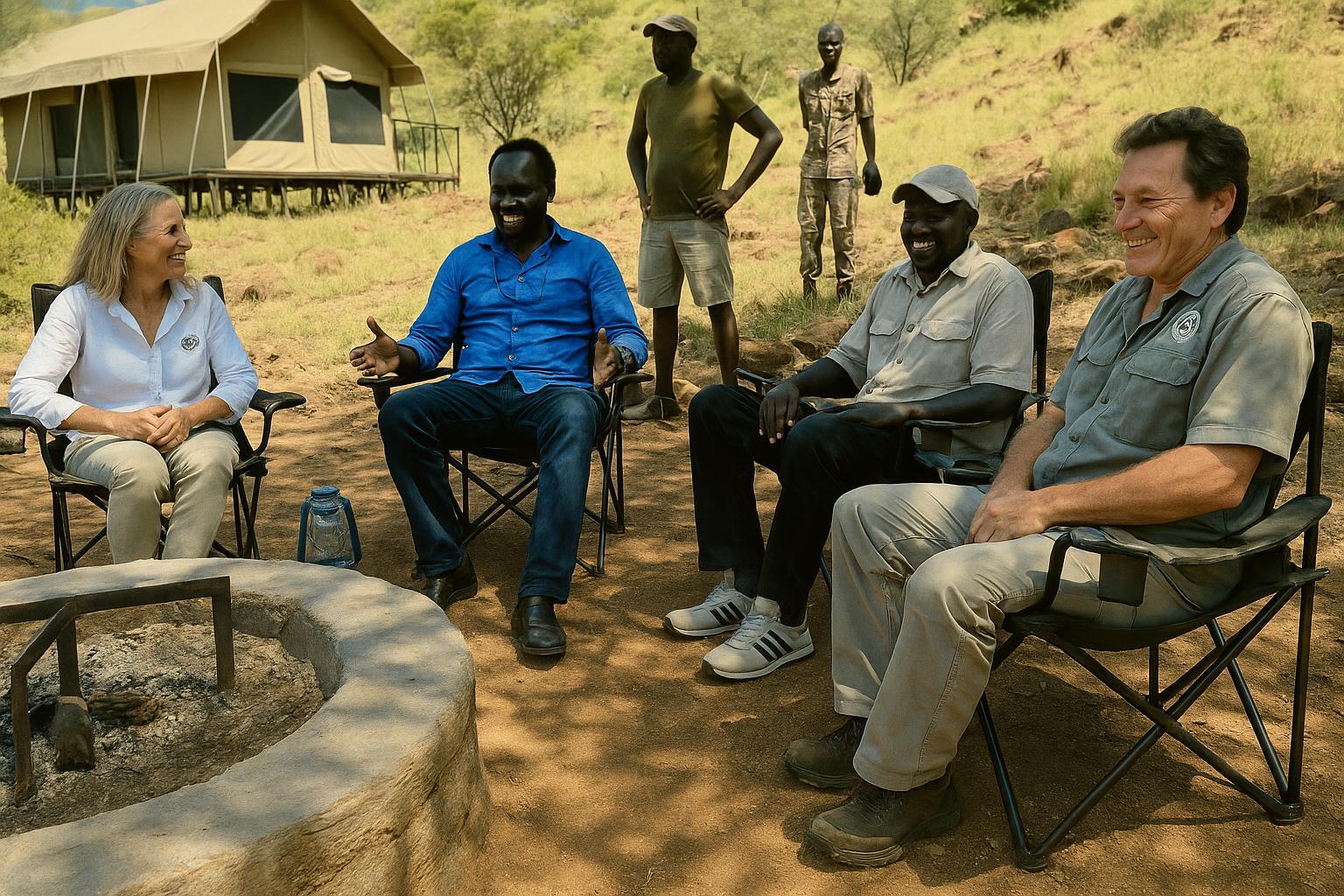
Newly appointed Wildlife, Conservation and Tourism Minister Denay Chagor landed in Pibor within twenty-four hours of taking office.
After surveying derelict camps and the sweeping plains, he told state television that reviving tourism is a national urgency that can no longer be deferred.
Community Partnership and Local Awareness
Greater Pibor Chief Administrator Gola Boyoi highlighted the need to involve pastoralist and fishing communities that border the park.
“Wildlife is also income,” he said, stressing that sensitisation campaigns must link antelope herds to school fees, clinics, and roads for villagers.
African Parks and Technical Oversight
Non-profit manager African Parks accompanied the minister, offering logistical support, drone mapping and ranger training funded by multilateral donors.
Project leader Jean-Marc Froment described Boma as “a Serengeti in waiting”, noting that baseline biodiversity data will guide phased infrastructure upgrades.
Tourism as Catalyst for Diversification
Tourism currently contributes less than one percent to South Sudan’s GDP, according to finance ministry estimates.
Officials argue that even modest visitor flows could diversify revenues beyond oil, attract hotel investment, and create ranger and guide jobs for youth in Jonglei.
Balancing Development with Conservation
Conservationists caution that poaching and cattle encroachment rise whenever security vacuums emerge along the border with Ethiopia.
Chagor said new patrol units will work with local elders to monitor migration corridors, adding that economic incentives, not force, remain the preferred deterrent to wildlife crime.