

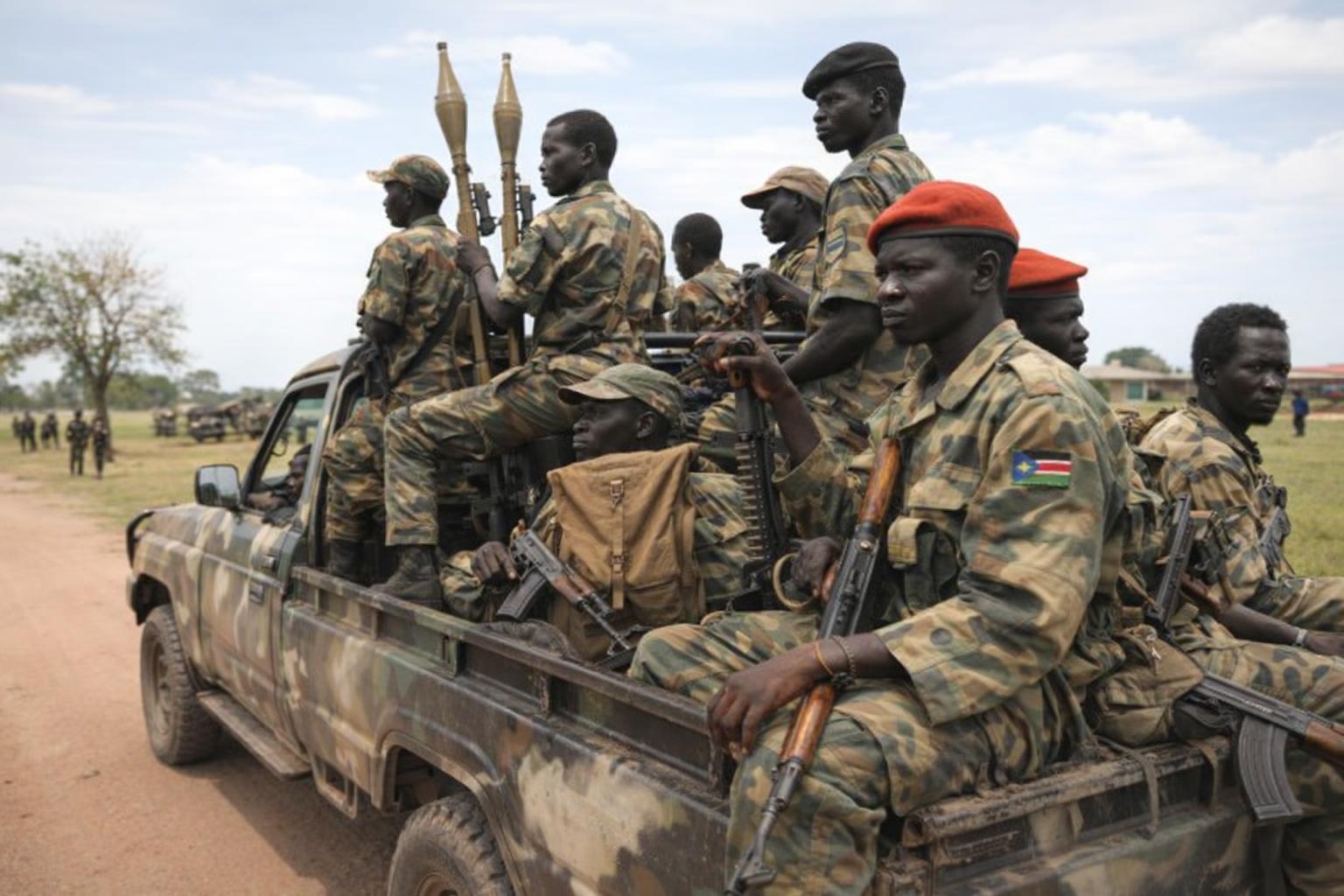
Jonglei Fighting Drives Mass Displacement
Renewed fighting between South Sudan government forces and opposition troops, compounded by reported airstrikes, has forced large-scale displacement in Jonglei State. A latest humanitarian update estimates that around 180,000 people have fled across four counties, reflecting a rapidly deteriorating emergency (OCHA).
The UN Office for the Coordination of Humanitarian Affairs said mass displacement has been recorded in Nyirol, Uror, Akobo and Duk counties after intensified clashes between the South Sudan People’s Defence Forces and the Sudan People’s Liberation Army in Opposition since late December (OCHA).
OCHA Update Cites 180,000 Displaced as of 19 January
In language described as an urgent alert, OCHA reported that “as of 19 January, an estimated 180,000 people have been displaced in Jonglei State due to renewed fighting and airstrikes in Nyirol, Uror, Akobo, and Duk counties” (OCHA).
The agency stressed that a rapid scale-up of assistance is needed, including food, healthcare, clean water, sanitation, protection services and emergency shelter. Without it, tens of thousands of displaced people may face sharper vulnerability, especially those already living with limited services (OCHA).
Aid Delivery Disrupted by Access Limits and No-Fly Zone
OCHA said humanitarian operations in Jonglei remain heavily constrained by restrictions affecting road, river and air movement. These barriers, it noted, reduce the ability of aid agencies to reach communities most affected by the fighting and related insecurity (OCHA).
The report added that Jonglei State has been declared a no-fly zone, a development that further complicates relief planning and logistics. Humanitarian actors have appealed for the protection of civilians and for humanitarian access to be maintained as violence escalates (OCHA).
County-by-County Figures Show Women and Children Most Affected
Displacement estimates cited by OCHA indicate that approximately 57,200 people have fled Nyirol County, around 105,000 from Uror, about 9,500 from Akobo, and more than 12,000 from Duk County. OCHA described most of the displaced as women, children and older persons (OCHA).
The update links the latest movements to renewed clashes since 29 December 2025 involving SSPDF and SPLA-IO forces, alongside airstrikes reported in Nyirol, Uror, Ayod and Duk counties. It said these shocks have deepened an already fragile humanitarian situation (OCHA).
Spillover Into Lakes State Adds Pressure on Local Services
The displacement is also affecting neighbouring areas. In Mingkaman, Awerial County in Lakes State, local authorities reported registering more than 18,000 new arrivals from Jonglei as of 16 January, according to OCHA (OCHA).
OCHA cautioned that continued fighting and airstrikes are likely to drive additional displacement in the coming days, while noting that some figures remain unverified by humanitarian partners. It warned that civilians and aid workers face rising danger amid disruption to operations (OCHA).
Humanitarian Priorities: Protection, Access, and Life-Saving Relief
Humanitarian officials have emphasised immediate civilian protection and unhindered access as core priorities, alongside the swift delivery of basic services. The current picture, as presented by OCHA, points to a crisis where logistics, security conditions and needs are escalating at the same time (OCHA).
For displaced families, the pressing issue is whether relief can reach them quickly enough, given restricted mobility and operational constraints. OCHA’s update frames the situation as urgent, with needs spanning survival support and longer-term safeguards for affected communities (OCHA).